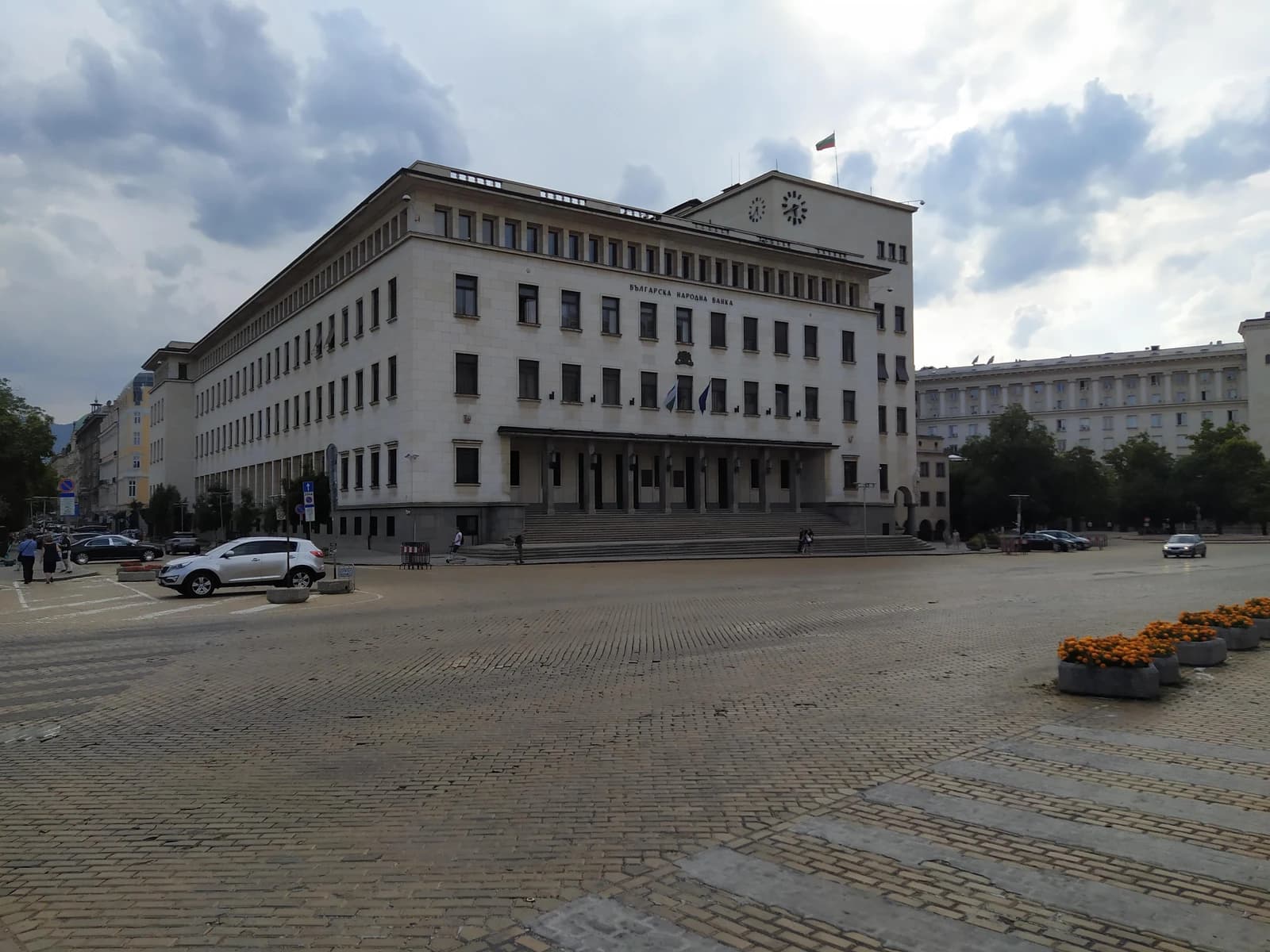
The European Central Bank is keeping the door open to another interest-rate increase in December, a sign that Europe’s battle against inflation is not over and that borrowing costs may stay elevated longer than businesses and homebuyers had hoped.
ECB keeps December rate hike option open
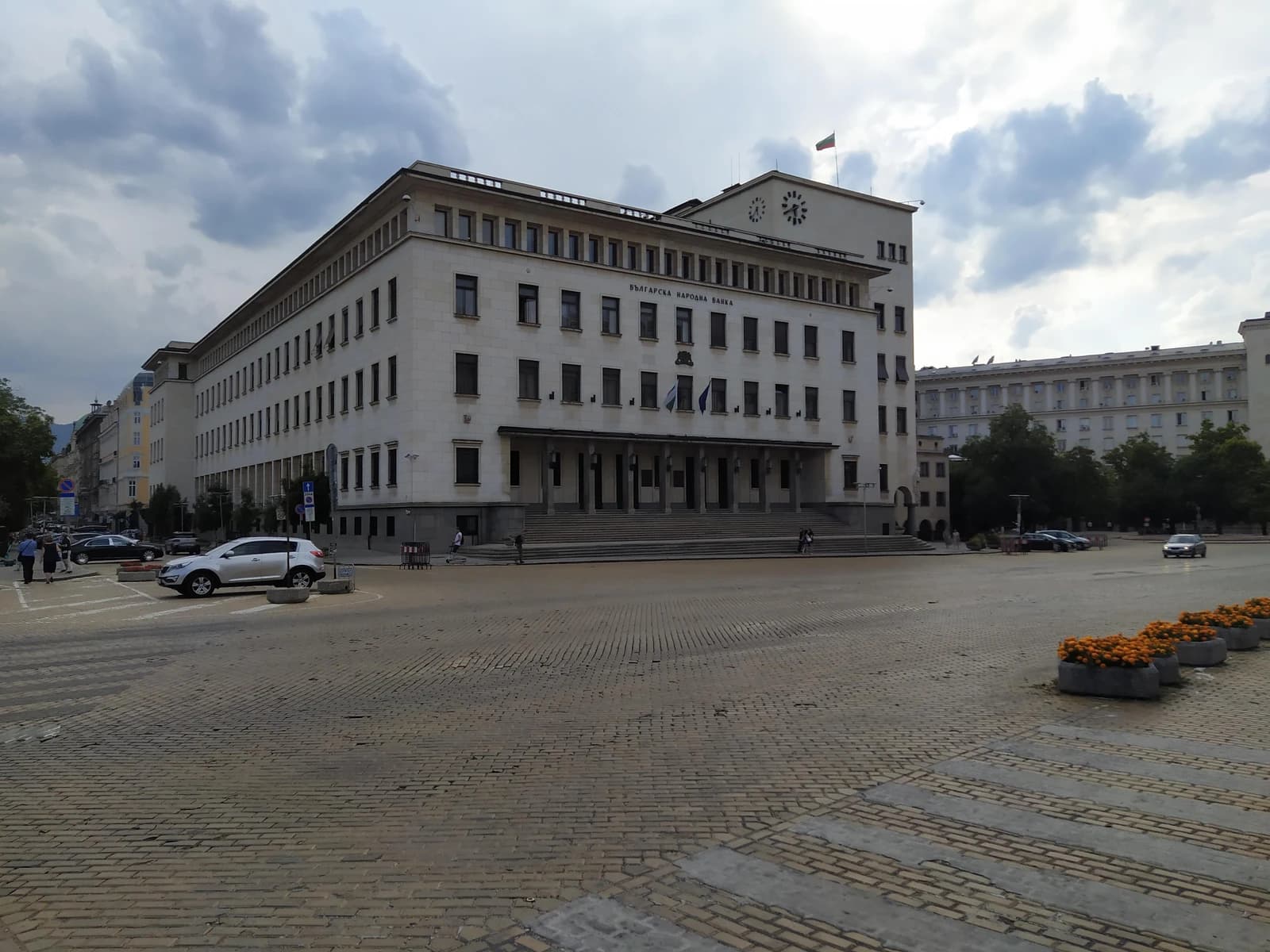
Dimitar Radev, governor of Bulgaria’s central bank and a member of the ECB’s Governing Council, said policymakers will reassess the need for further tightening when they review fresh economic projections next month. His comments matter because they underline a simple but important message: the ECB is not done responding to inflation if price pressures prove persistent, even after last month’s policy pause.
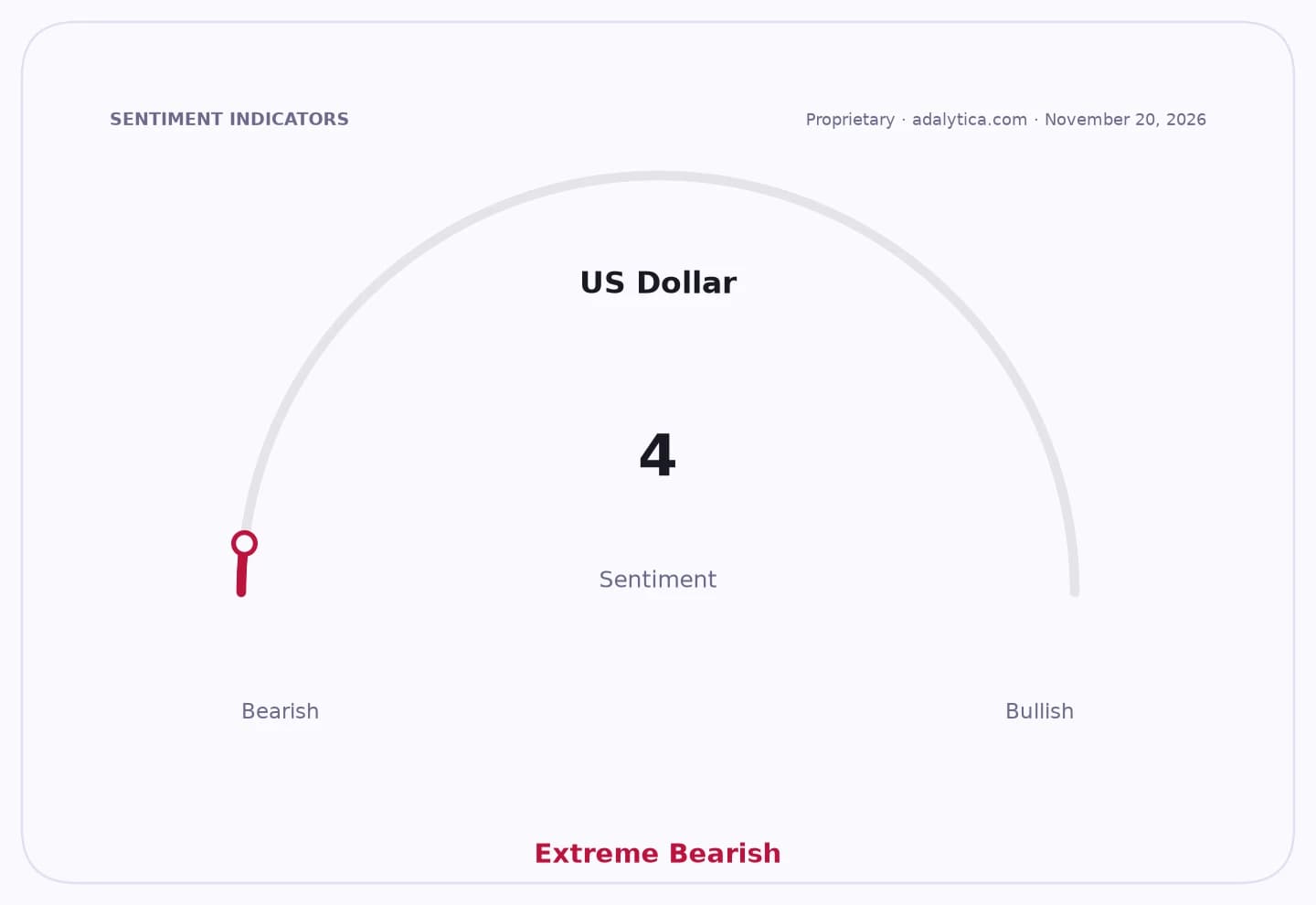
Sentiment Indicators
That caution is warranted. Euro-area inflation was estimated at 4% in October, still double the ECB’s target, while core inflation held at 2.5%. Those are not emergency readings, but they are high enough to keep pressure on the central bank to avoid declaring victory too soon. The ECB raised rates by 25 basis points in September and then held in October, leaving the deposit rate at 2.5%. Another move in December would extend the tightening cycle and keep financing conditions restrictive across the euro zone.
For investors, the significance goes beyond one meeting. Higher-for-longer rates tend to support bank margins but weigh on borrowers, real estate, and rate-sensitive sectors that depend on cheap credit. They also raise the odds that Europe’s recovery stays uneven as lenders tighten standards and companies face more expensive funding. Radev said banks in the euro area already tightened credit standards for companies in the third quarter, a warning sign for investment and hiring.
The inflation story also has a supply-side twist. Radev pointed to disruptions in Black Sea trade that are already affecting some commodity prices, including grains, Kazakh crude and sunflower oil, through higher shipping, insurance and sourcing costs. The risk is not just temporary price volatility, but a broader pass-through into goods, services and wages if energy and transport costs stay elevated. That is exactly the kind of second-round effect central bankers are trying to prevent.
Still, the ECB is not reacting to one month of noisy data. Radev said higher energy costs do not always reach consumers immediately because companies absorb part of the hit in margins and retailers delay repricing. That gives policymakers room to wait for the December forecasts. But it also means the full inflation impact can arrive with a lag, which is why the central bank is unlikely to move quickly to cut rates if growth softens.
For long-term investors, the takeaway is clear: Europe’s rate cycle is still data-dependent, and the next move may be up, not down. That favors patience, balance-sheet strength and companies with pricing power. It also means volatility in European rates, the euro and bond markets is likely to remain a feature of year-end trading, not a bug.
| Entity | Gains | Losses |
|---|---|---|
| Eurozone banks | ▲Wider lending margins | ▼Tighter credit demand |
| Borrowers and homeowners | ▲— | ▼Higher financing costs |
| Inflation fighters | ▲Credibility if prices cool | ▼Little room for policy easing |
| Commodity exporters | ▲Higher prices for scarce goods | ▼More transport and insurance costs |