Bulgaria’s inflation picture is increasingly being shaped by domestic demand, wages, credit and fiscal policy rather than only energy costs, a message that matters for the euro area’s newest member as policymakers weigh whether price pressures will prove sticky.
Bulgaria Inflation Stays Above Eurozone Rate
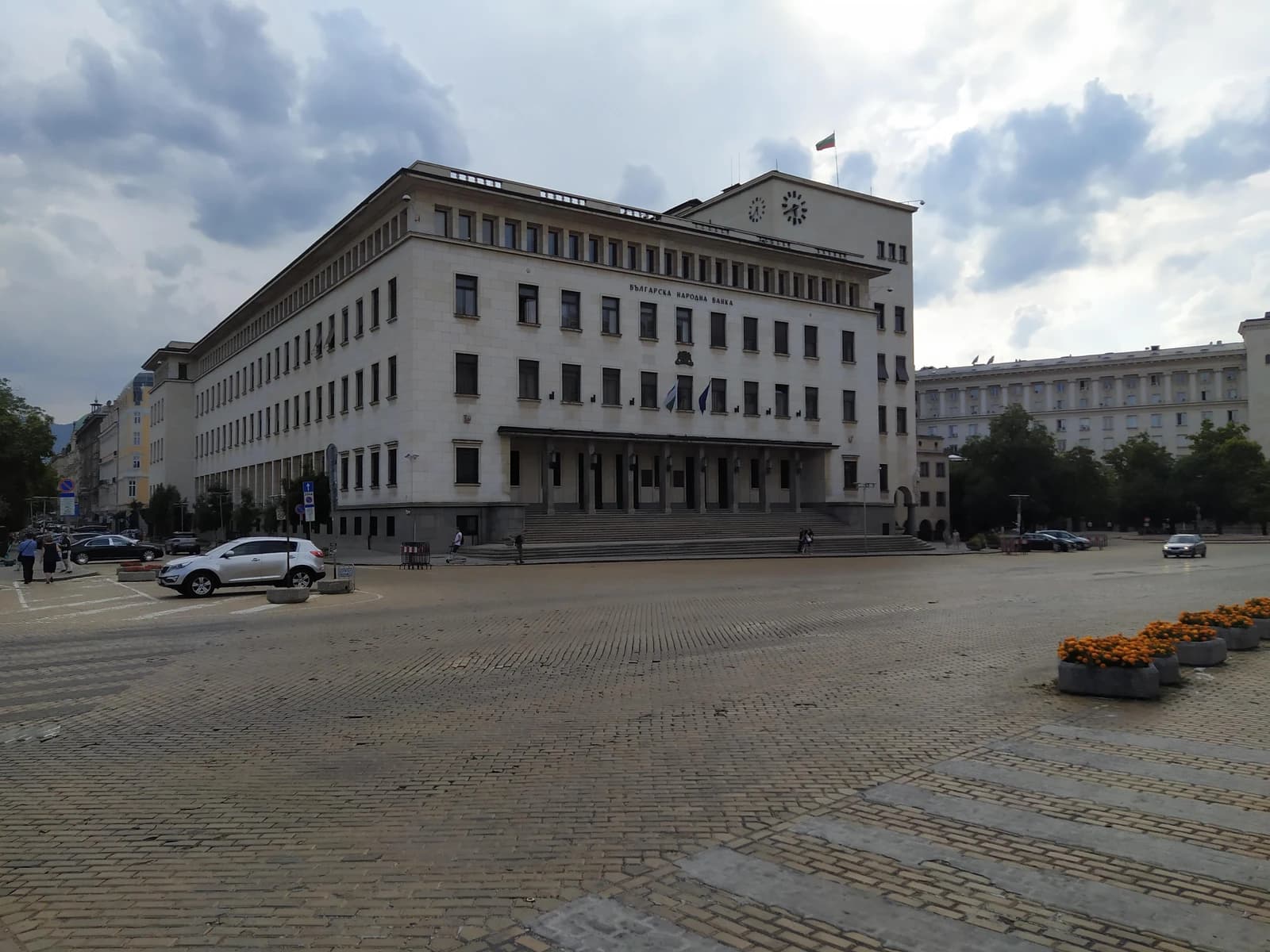
Bulgarian National Bank Governor Dimitar Radev said the gap between Bulgaria’s inflation and that of the eurozone should not be explained solely by energy prices, arguing that stronger incomes, robust demand and faster credit growth are helping keep consumer prices elevated. His remarks are economically significant because they point to a broader inflation problem: if price pressures are being reinforced by homegrown factors, they are less likely to fade quickly with lower global energy costs alone.
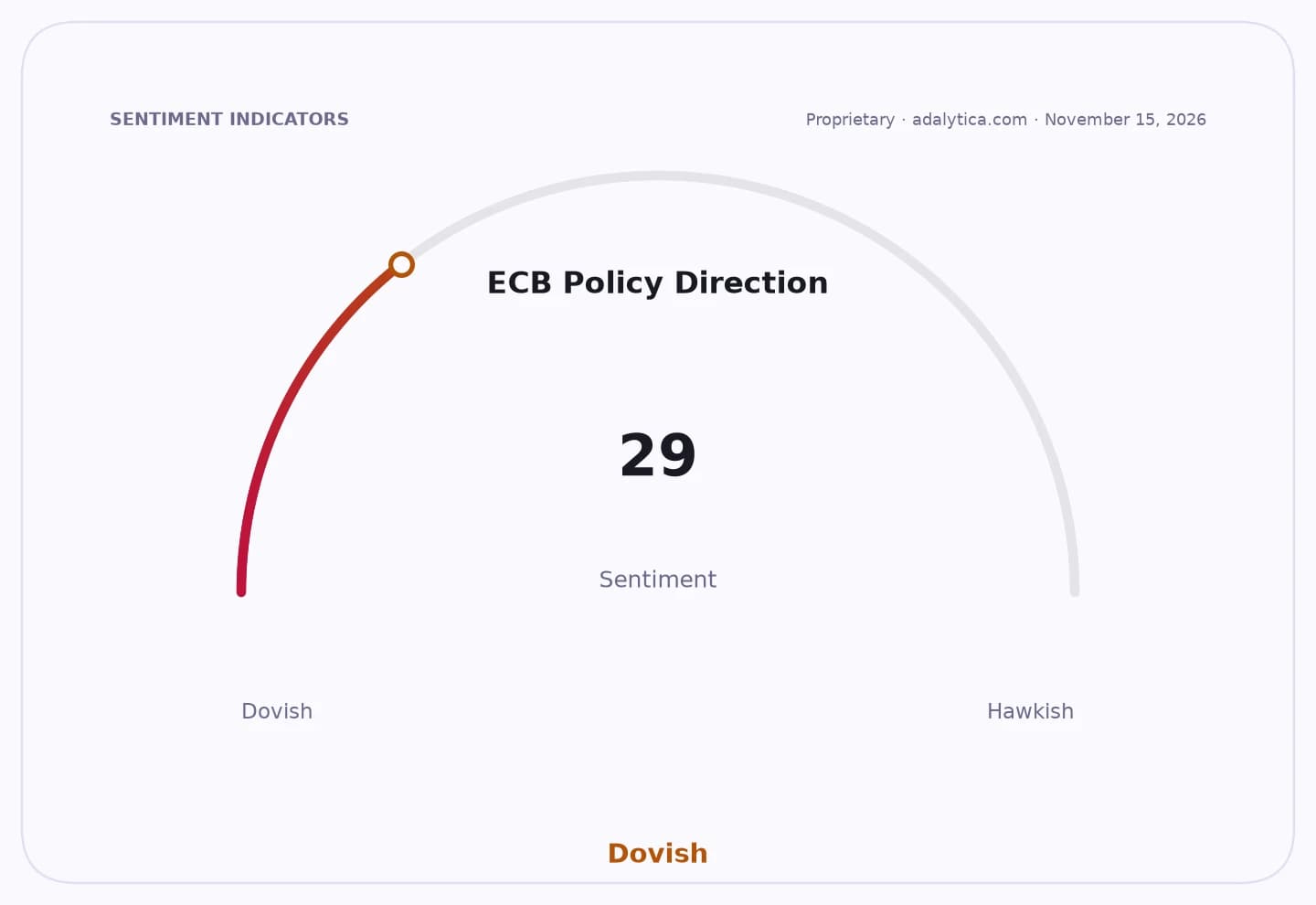
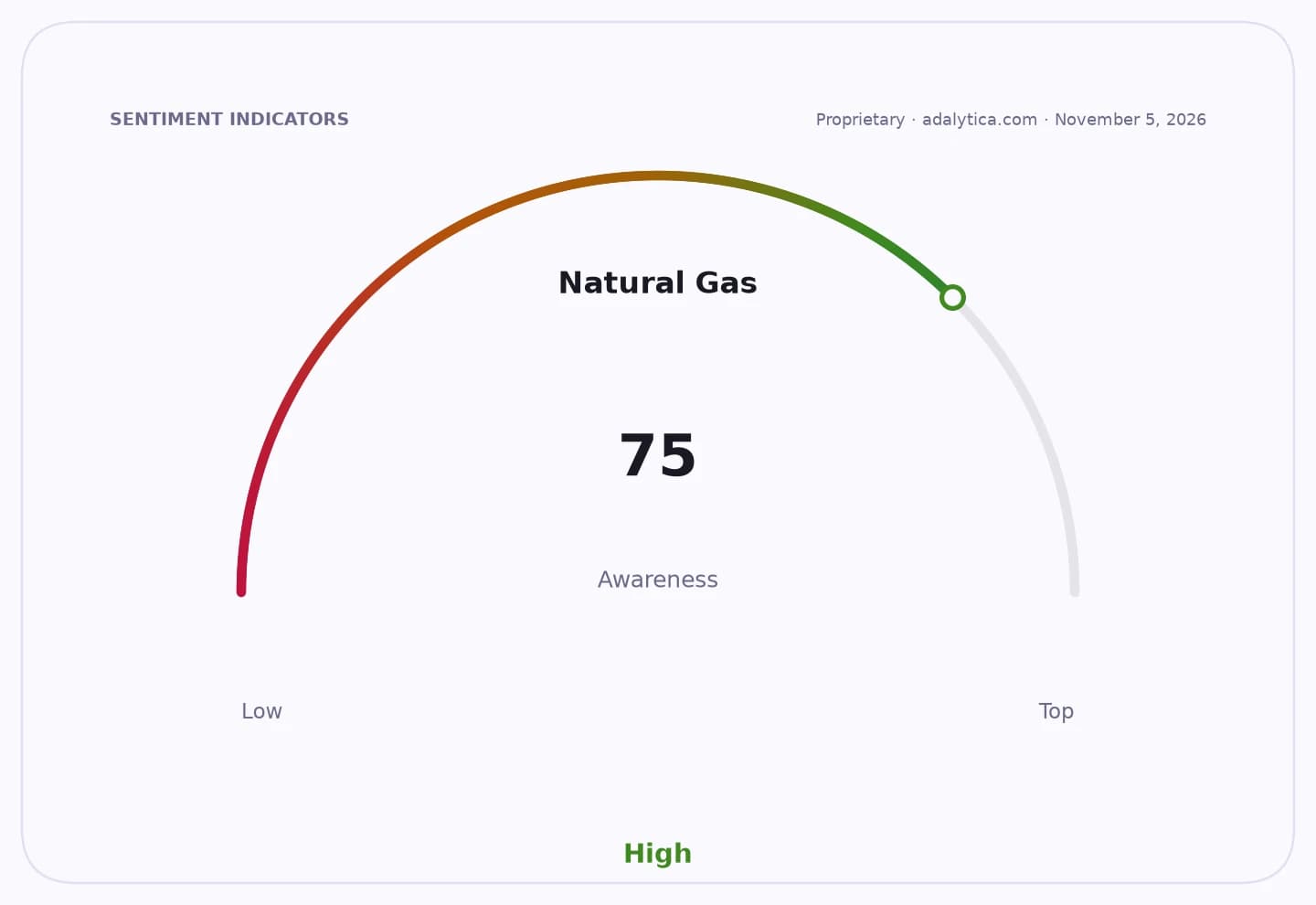
Sentiment Indicators

Radev’s comments come as Bulgaria’s annual inflation quickened to 6.0% in October from 5.7% in September, above the 4% rate in the euro area cited in his speech. He also noted that average rates on new home loans in Bulgaria remain around 2.4%, well below the eurozone’s roughly 3.6%. That spread underscores how the transmission of monetary policy still differs sharply across the bloc, even after Bulgaria adopted the euro in January.
For investors, the message is that Bulgaria’s price dynamics cannot be treated as a simple energy story. If domestic demand remains firm and wage growth continues to feed through services prices, the disinflation process may lag the wider eurozone. That raises the prospect of a more cautious policy stance from the European Central Bank if Bulgarian and regional inflation pressures prove harder to extinguish than markets expect.
5-Year Breakevens
The comparison also matters for banks and borrowers. Lower mortgage rates in Bulgaria support housing demand and household spending, but they can also prolong inflation if credit growth remains strong while consumer prices keep rising faster than in the euro area. That tension is central to Radev’s argument: a shared currency does not produce identical inflation outcomes, and a common policy rate does not deliver the same financial conditions in every member state.
His broader point is that energy is only one part of the transmission channel. International commodity shocks hit energy-intensive firms first, but businesses can absorb costs, pass them on later or face different regulatory lags depending on the country. In Bulgaria, as elsewhere, the bigger question is whether domestic demand and fiscal settings are amplifying those shocks.
The next test will be whether eurozone policymakers see Bulgaria’s inflation as part of a temporary post-entry adjustment or evidence of a more persistent structural gap. With the ECB still monitoring whether further tightening may be needed, investors will watch for signs that inflation in Bulgaria is converging toward the bloc’s 2% medium-term goal—or staying above it for longer than expected.
| Entity | Gains | Losses |
|---|---|---|
| Bulgarian borrowers | ▲Cheaper mortgages | ▼Higher inflation |
| Bulgarian consumers | ▲Access to low-rate credit | ▼Purchasing power |
| ECB hawks | ▲Case for caution | ▼Softer growth outlook |
| Importers and households | ▲Lower financing costs | ▼Sticky prices |