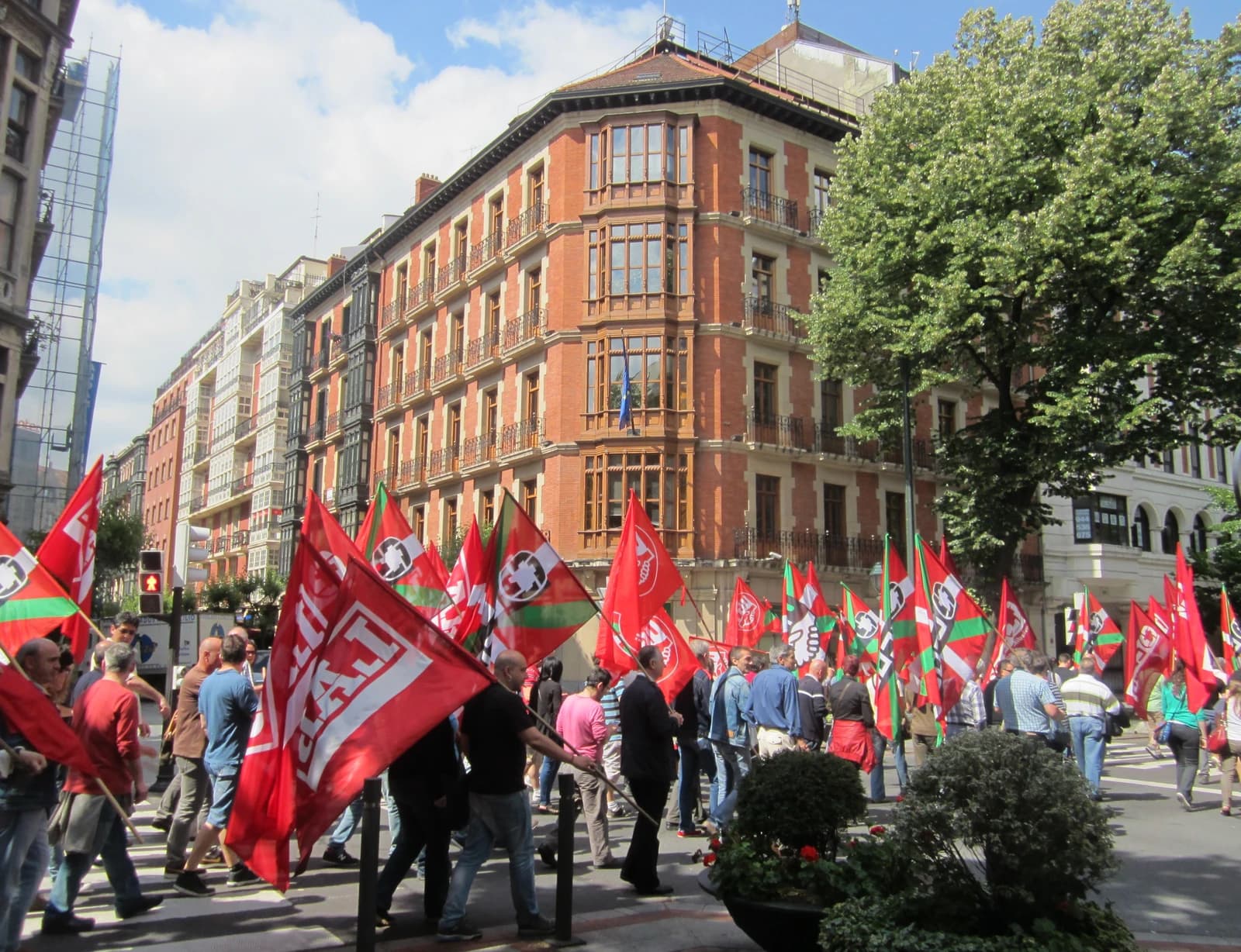
DOW’s chemical plant workers in Tarragona are pressing the company for a “real negotiation” to reduce 116 planned layoffs, raising the risk of production disruption at one of the multinational’s key European industrial sites.
Dow Tarragona Workers Press for Layoff Talks
The dispute matters because the Tarragona complex sits inside Spain’s petrochemical corridor, where even a limited strike can ripple through supply chains for downstream manufacturers, logistics providers and customers across the region. Workers have already voted to strike from Nov. 10 to 13 after saying the consultation process has been little more than “sterile conversations” and that the company is using the period to run down the clock.
Sentiment Indicators
About 100 employees gathered Monday outside DOW’s headquarters at the North Tarragona petrochemical park in La Pobla de Mafumet, underscoring the breadth of local opposition to the cuts. The company has held six meetings with staff and has four more scheduled this week and next, but unions say the talks have yet to produce a meaningful offer to trim the number of redundancies.
For investors, the immediate issue is not the size of the job cuts alone but whether the confrontation turns into an operational headache. DOW has been working through restructuring and cost reductions, and the market has generally rewarded chemical groups that move decisively to protect margins in a weak demand environment. But labor conflict can blunt those benefits if it forces downtime, raises severance costs or dents volumes at a time when European industrial activity remains fragile.
The broader backdrop is a global chemical sector still wrestling with excess capacity, uneven demand and pressure to rationalize costs. Dow peers have flagged the same mix of weak pricing and restructuring needs, while Europe’s higher energy and operating costs continue to weigh on competitiveness. In that setting, managements are under pressure to cut headcount, but the path to those savings is increasingly contested.
The next catalyst is the remaining round of consultations before the planned walkout. If management offers concessions, the strike may be shortened or avoided. If not, the Tarragona dispute could become another example of how labor resistance is forcing chemical companies to pay more, wait longer or settle for less when trying to shrink their cost base.
| Entity | Gains | Losses |
|---|---|---|
| DOW management | ▲Cost-cutting flexibility | ▼Operational stability |
| Tarragona workers | ▲Bargaining leverage | ▼Job security |
| Customers and suppliers | ▲If talks resolve quickly | ▼If strike disrupts output |
| Chemical peers | ▲Sector focus on restructuring | ▼Higher labor-cost pressure |