Don Quijote is scrapping refund handling fees for foreign visitors as Japan rewrites the rules on tax-free shopping, a move that could sharpen competition for tourist spending at a time when inbound demand remains one of the country’s few reliable growth engines.
Don Quijote Drops Refund Fees for Foreign Shoppers
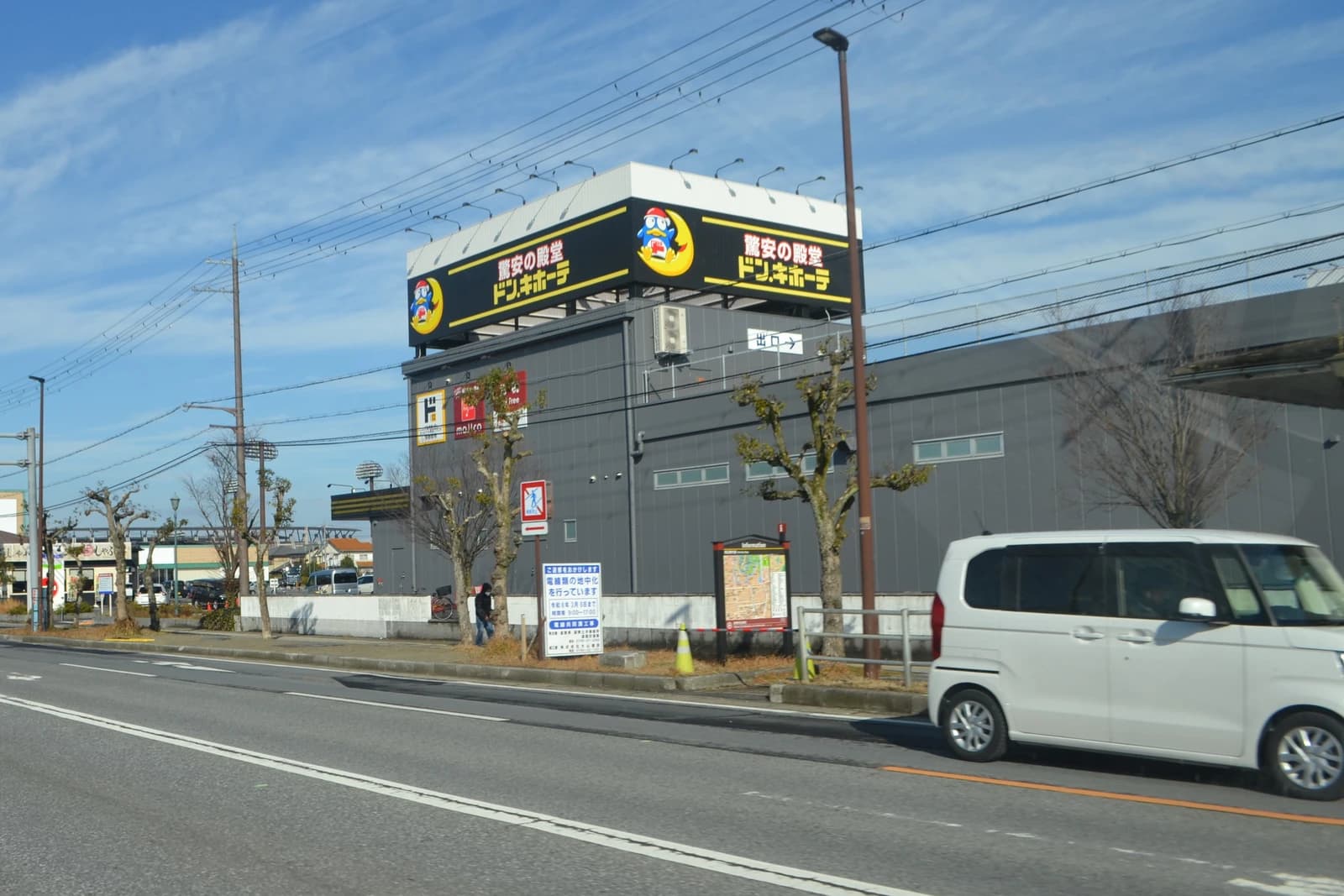
The policy shift matters because tourism retail has become a meaningful contributor to Japan’s consumption recovery, especially as domestic demand remains constrained by still-uneven wage gains and higher living costs. By removing fees on tax-free purchases, Don Quijote is trying to make its stores a more attractive stop for visitors who are increasingly price-sensitive but still willing to buy large baskets of cosmetics, snacks, household goods and souvenirs.
Japan’s new system moves duty-free shopping to a departure-based reimbursement model, replacing the older approach that let tourists buy without paying tax at the point of sale. That change is designed to tighten administration and reduce abuse, but it also risks slowing checkout traffic and discouraging impulse purchases if the process becomes cumbersome. Don Quijote’s decision is a direct attempt to preserve convenience and capture a larger share of tourist wallets by reducing one of the friction points in the new system.
For investors, the key question is whether lower fees translate into higher transaction volumes and larger basket sizes fast enough to offset the lost revenue from waiving the charges. Don Quijote has long benefited from its dense store network and reputation as a one-stop bargain chain for overseas shoppers. If the move works, it could reinforce margins through stronger sales density and better mix, even if per-transaction economics narrow. If it does not, the company risks giving up fee income without materially boosting spend.
The broader backdrop is Japan’s effort to wring more economic value from inbound travel as a tourism rebound remains uneven. Retailers, hotels and transport operators have all been leaning on foreign visitors to fill the gap left by softer domestic demand. That makes tax-free shopping not just a retail issue but a wider consumption policy question: Japan wants tourists to spend more, but if the system is too cumbersome, the spending may migrate to rival destinations or to online channels before departure.
Don Quijote’s move suggests the winners in this transition will be the merchants that can make duty-free shopping feel seamless. The losers may be chains that rely on the official reimbursement process without adding their own incentives, as well as tourists who are unwilling to wait through extra steps. The next test will be whether Japan’s new tax-free regime boosts overall retail receipts or simply redistributes spending toward the most frictionless operators.
| Entity | Gains | Losses |
|---|---|---|
| Don Quijote | ▲Higher tourist conversion | ▼Fee revenue |
| Foreign visitors | ▲Lower shopping friction | ▼Time in reimbursement process |
| Japanese retail rivals | ▲— | ▼Tourist spending share |
| Japan’s inbound economy | ▲More retail demand | ▼Policy frictions if uptake slows |