Indonesia’s tourism recovery is becoming more valuable as well as more visible, with foreign arrivals topping 12 million in the first nine months of 2026 and average spending per visit also rising, a combination that should support services income, foreign-exchange earnings and hotel demand.
Indonesia Tourism Arrivals Top 12 Million in 9 Months
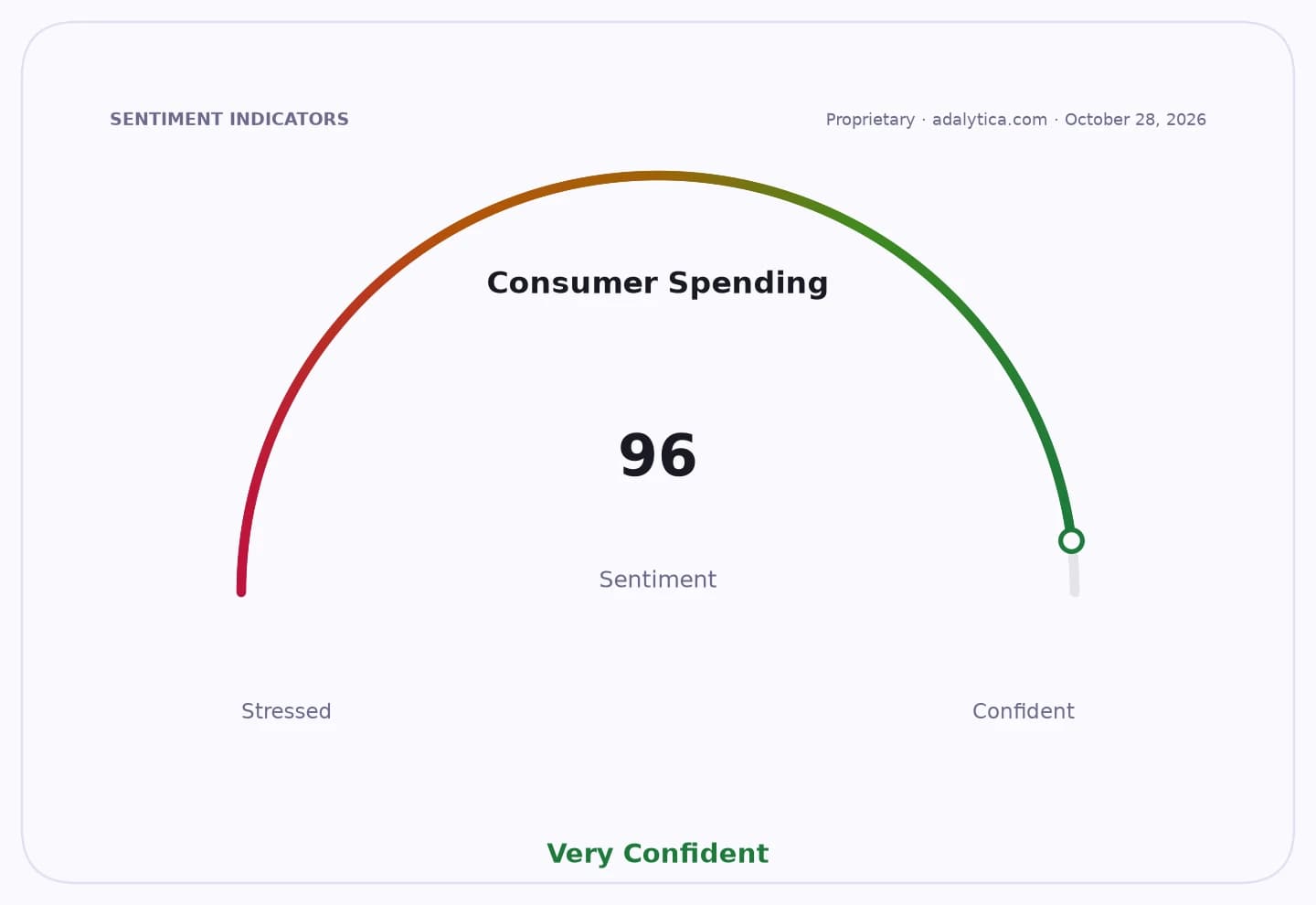
Consumer Spending
The country recorded 12.01 million foreign tourist visits from January through September, up 5.01% from a year earlier, according to the statistics agency. In September alone, arrivals reached 1.43 million, down 10.79% from August but still 2.31% higher than a year earlier, underscoring that the sector is expanding even after the usual monthly slowdown.
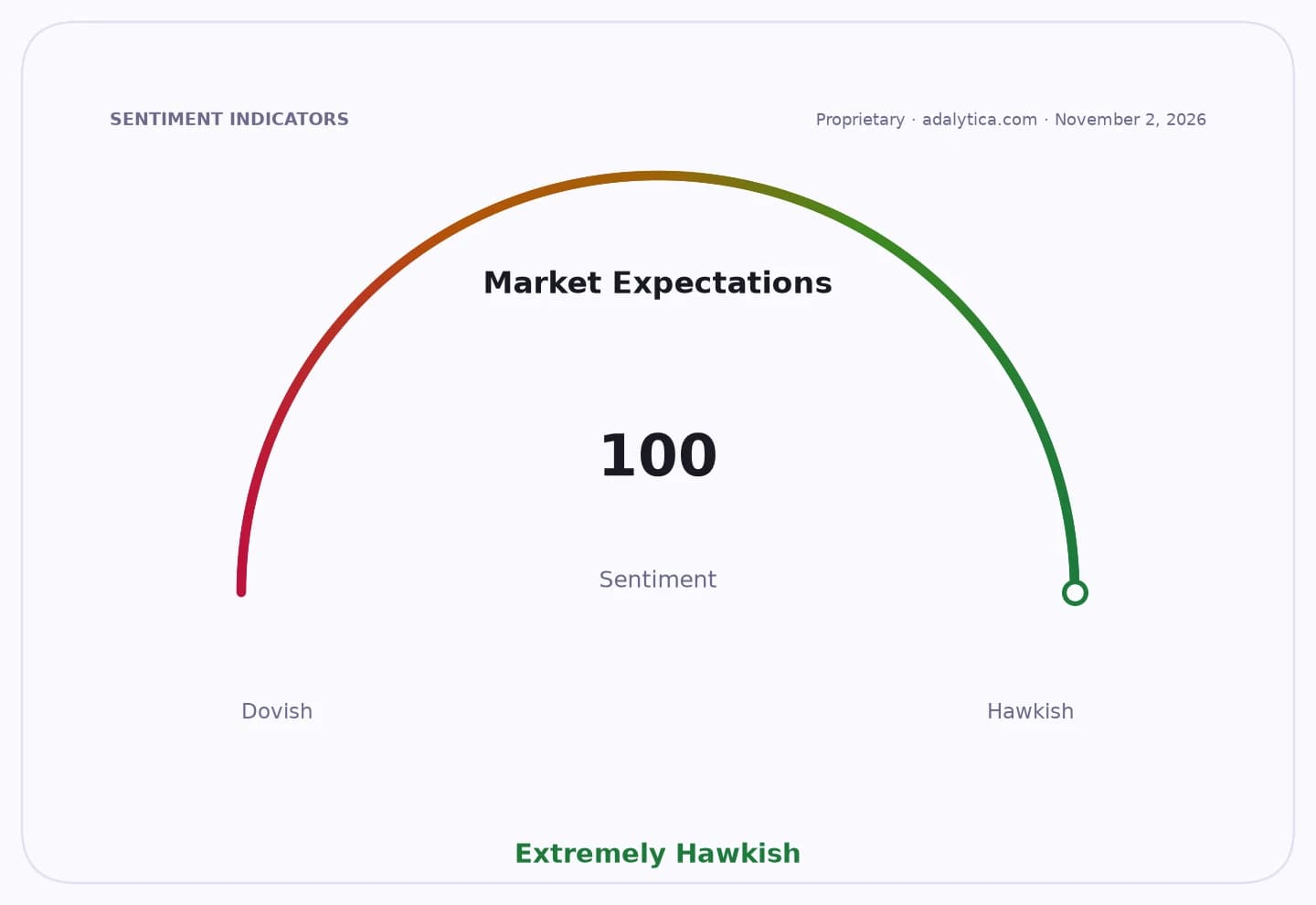
Sentiment Indicators
What matters economically is not just the number of visitors but how much they spend once they arrive. Higher average expenditure means tourism is contributing more to GDP, helping offset softer manufacturing or commodity momentum and improving the current-account picture through service exports. For a country that depends heavily on domestic consumption and investment, every incremental gain in visitor spending provides a cleaner source of external earnings than raw arrivals alone.
The September mix also points to where demand is coming from. Malaysian passport holders accounted for the largest share of arrivals at 16.76%, followed by Australians at 12.43% and Chinese travelers at 10.76%. Australia and China posted year-on-year gains, while Malaysian arrivals fell, suggesting a rotation in source markets that matters for airlines, hotels and retailers serving different traveler profiles.
Bali remains the main gateway, with I Gusti Ngurah Rai airport handling the largest volume of foreign visitors, led mainly by Australians. That reinforces the island’s role as the country’s tourism bellwether and a key driver of room rates, restaurant traffic and ancillary spending. It also means localized disruptions — from fuel shortages to transport bottlenecks — can quickly affect national tourism momentum.
For investors, the implications extend beyond Indonesian operators. International hotel groups, online travel platforms and airlines with exposure to Southeast Asian leisure demand stand to benefit if the spending trend persists. Booking Holdings, Expedia and Marriott all have broader regional exposure through distribution, lodging and demand capture, while stronger tourist receipts can also support airport operators and retail landlords tied to travel flows.
The upside case is that Indonesia is moving from a volume-led recovery to a higher-yield tourism cycle, where spending per visitor rises even if monthly arrivals remain choppy. The risk is that inflation in hotel and service prices, capacity constraints and external shocks could limit how much of that demand translates into sustained earnings growth. For now, the data suggest tourism remains one of Indonesia’s more dependable growth engines heading into year-end.
| Entity | Gains | Losses |
|---|---|---|
| Indonesia tourism sector | ▲Higher foreign-exchange earnings | ▼Vulnerable to capacity bottlenecks |
| Hotels and travel operators | ▲Stronger room rates and occupancy | ▼Cost pressure if prices overheat |
| Airlines and airports | ▲More passenger traffic | ▼Exposure to monthly arrival volatility |
| Travelers | ▲Broader destination demand | ▼Higher local prices if spending rises too fast |