Vacationers are being warned that the biggest currency conversion trap on holiday is not the exchange rate alone, but how they pay once they arrive.
Dollar Strength Raises Holiday Currency Conversion Costs
Dynamic currency conversion, where card terminals or ATMs offer to charge travelers in euros instead of the local currency, often delivers a worse rate than the one set by the traveler’s own bank. That can quietly add to the cost of meals, taxis and cash withdrawals at a time when the dollar is already near a seven-week high and foreign-exchange swings are making overseas spending more expensive and harder to predict.
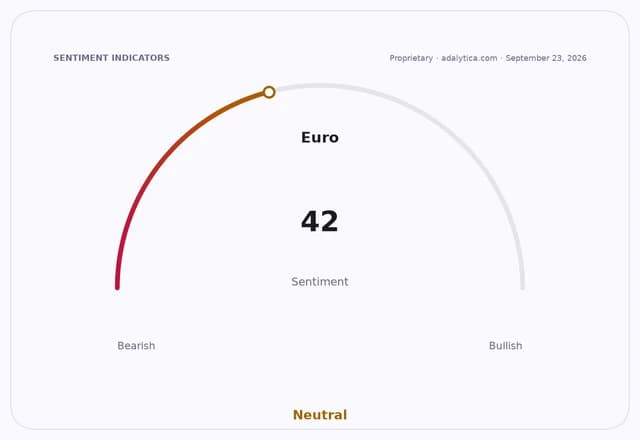
For investors, the message cuts across consumer spending, travel demand and FX behavior. A stronger dollar tends to stretch U.S. travelers’ budgets abroad, while the EUR and other currencies have been moving more sharply as markets react to central-bank policy and commercial demand. The latest technical picture on FXE, the euro-tracking fund, shows the ETF near $105.12, below its 50-day moving average of $106.36 and with an RSI of 21.8, a level that points to oversold conditions in conventional technical analysis. FXY, the yen proxy, closed at 57.89, also below its 50-day and 200-day averages, underscoring broad pressure across major currencies.
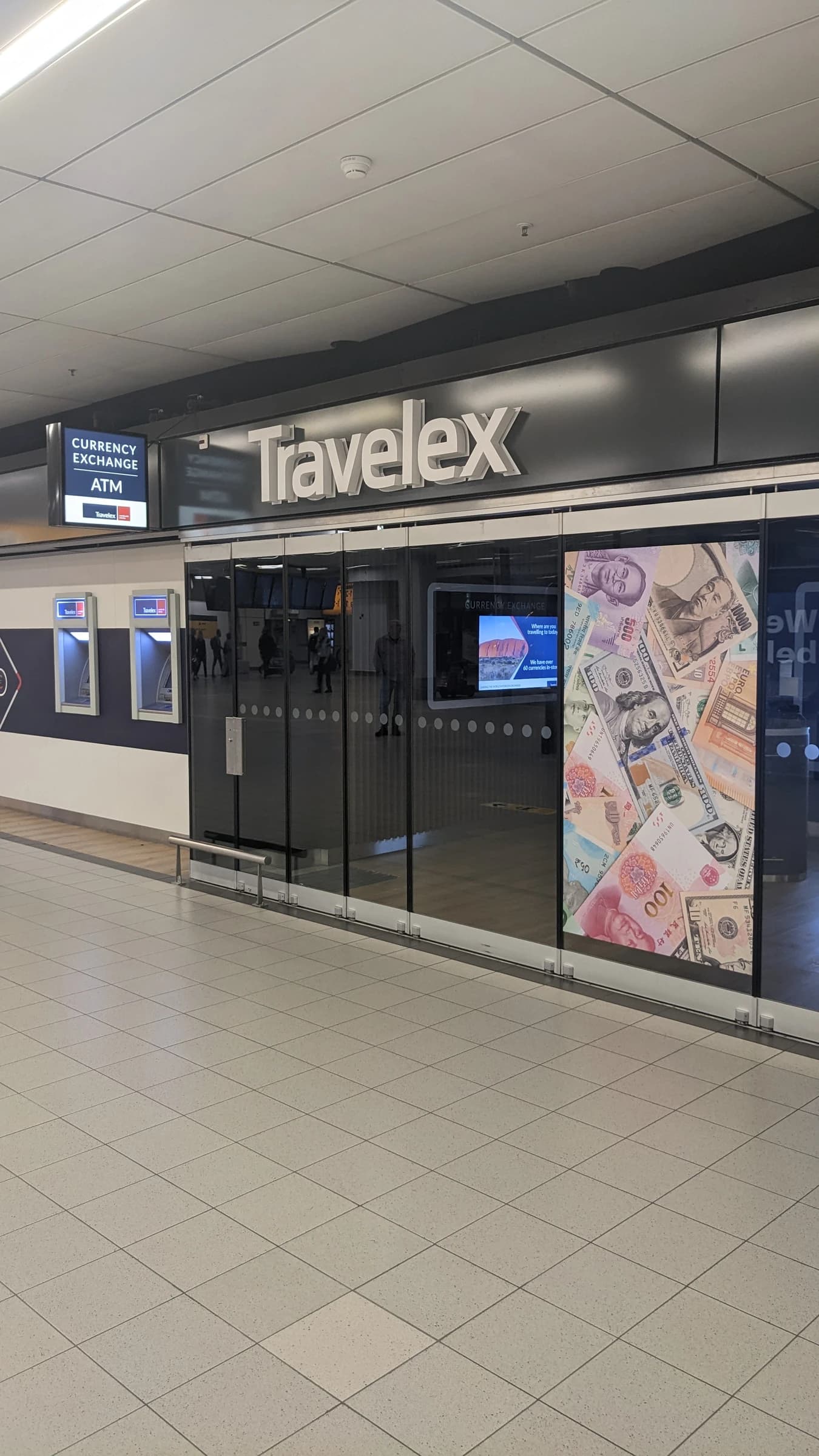
The practical advice is simple: buy a small amount of local cash before departure, avoid airport exchange desks, and choose the local currency at the point of sale rather than the converted euro or dollar option. Airport exchanges often charge poor rates and extra fees, while terminals and ATM operators are free to set their own conversion terms under DCC, making the convenience of “pay in your home currency” a costly illusion.
That matters economically because millions of small overpayments add up quickly in the travel economy, especially when households are already sensitive to inflation and exchange-rate moves. It also matters for card issuers, banks and payment networks, which benefit when customers use cards abroad but face scrutiny when conversion practices erode trust.
The next catalyst is the Federal Reserve and any further move in the dollar, which could keep foreign transactions expensive for U.S. travelers and add more volatility to major currency pairs. For vacationers, the best protection remains the same: plan ahead, compare rates and never let the terminal decide the exchange rate.
| Entity | Gains | Losses |
|---|---|---|
| Travelers who choose local currency | ▲Better exchange rate | ▼Fewer hidden fees |
| Banks/card issuers | ▲More transparent card use | ▼Less DCC-related markups |
| ATM and terminal operators | ▲Conversion spread revenue | ▼Customer trust |
| Vacationers using airport exchange counters | ▲Immediate cash access | ▼Worst rates and fees |