A Cyprus real estate development association is pressing the government to overhaul housing approvals within 100 days, a move that could matter more for the economy than for the paperwork itself: faster licences would help unlock stalled projects, lift homebuilding and, over time, ease a supply crunch that has kept housing unaffordable for too many families.
Cyprus Developers Push 100-Day Housing Permit Overhaul
The proposal, presented to President Nikos Christodoulides with Interior Minister Constantinos Ioannou present, is a blunt acknowledgment that Cyprus’ housing shortage is now a policy problem as much as a market one. When approvals drag on for months, capital sits idle, builders delay starts and households face fewer options. That is why developers are asking for measurable deadlines, a named minister and coordinator, monthly progress reports and final decisions on at least 30% of pending full applications older than six months by day 100.
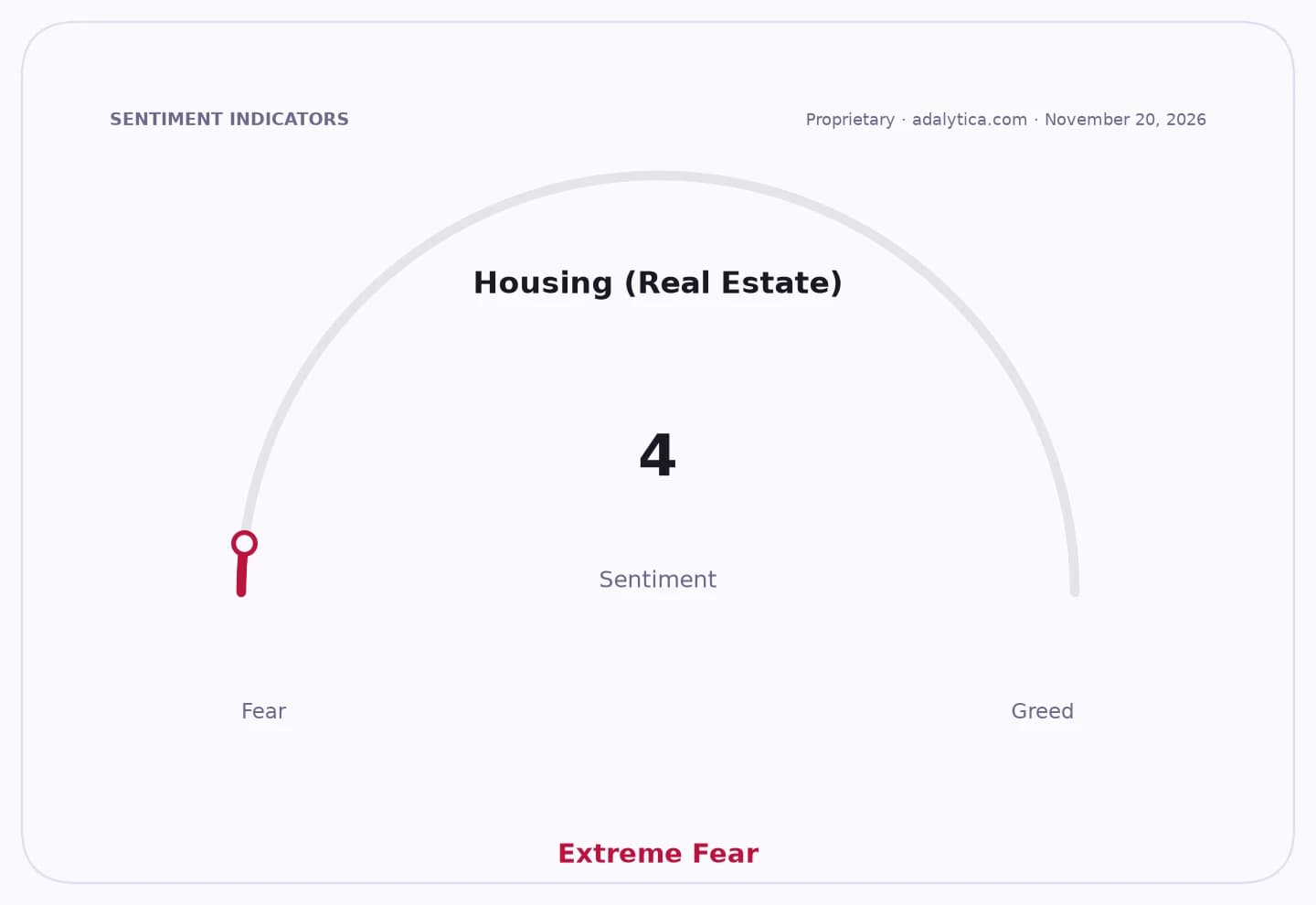
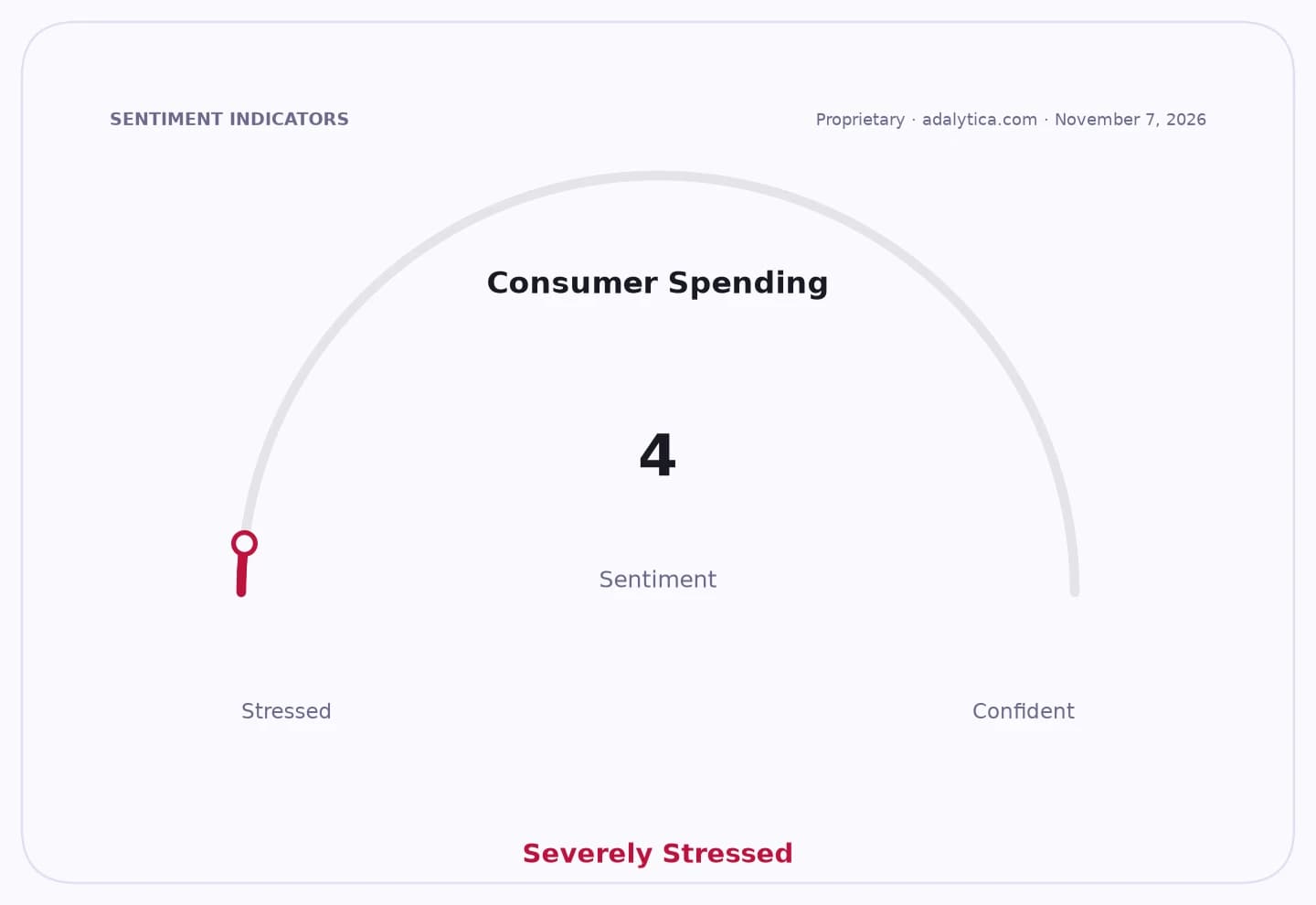
Sentiment Indicators
For investors, the significance goes beyond Cyprus. Housing is a long-cycle asset class, and the bottleneck is often not demand but execution. If the government can actually accelerate permits, the benefits would ripple through landowners, contractors, builders, materials suppliers and ultimately banks and real estate-linked businesses. Delays, by contrast, preserve scarcity and keep prices sticky, which is painful for buyers but can also distort the market and choke off new development.
The association’s blueprint also tackles the other familiar brakes on construction: labour shortages, financing and tax measures, use of state land and closer coordination with the Cyprus Land Development Corporation. That matters because approvals alone do not build homes. The industry needs labour, financing certainty and a smoother pipeline from land to completion if output is going to rise in a meaningful way.
There is also a political edge to the plan. By pushing for systematic tracking of real housing needs and annual measurable targets, developers are trying to turn housing from an ad hoc debate into a managed public-policy objective. That is the right framing for a market where demand has remained stubborn while supply has lagged.
For long-term investors, the takeaway is straightforward: if Cyprus follows through, the winners should be developers, builders and any listed businesses tied to residential construction. The losers are bureaucracy, scarcity pricing and anyone betting that the housing shortage will solve itself. The plan is worth watching, because in housing, execution is everything.
| Entity | Gains | Losses |
|---|---|---|
| Developers and builders | ▲Faster approvals, more starts | ▼Waiting costs, project delays |
| Homebuyers and renters | ▲More supply, better choices | ▼Scarcity pricing |
| Cyprus government | ▲Policy credibility, economic activity | ▼Pressure to deliver quickly |
| Landlords/speculators | ▲More liquid market | ▼Less pricing power |