Spain’s new “Maricarmen” housing decree is shutting the door on bulk sales of homes held for rent, a move that could squeeze supply in an already strained rental market and intensify a policy fight over who should pay for Spain’s housing crisis.
Spain housing decree restricts bulk rental home sales
Housing (Real Estate)
The measure lands as housing affordability remains one of the country’s sharpest economic pressures. By restricting large lot sales of rental units, the decree is designed to curb practices critics say accelerate eviction risk and speculative churn, but landlords argue it will make it harder to keep units on the market and could discourage new investment.
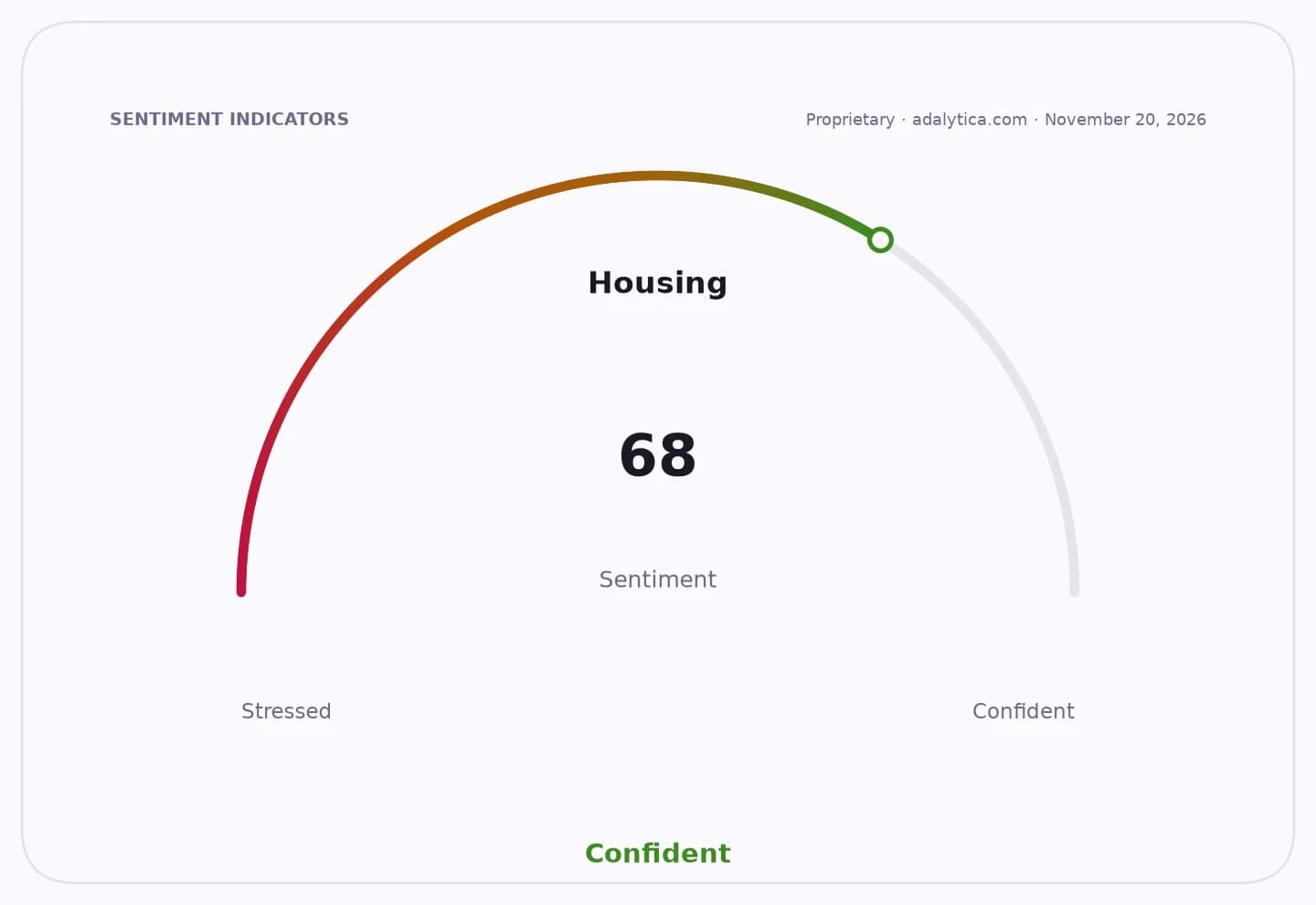
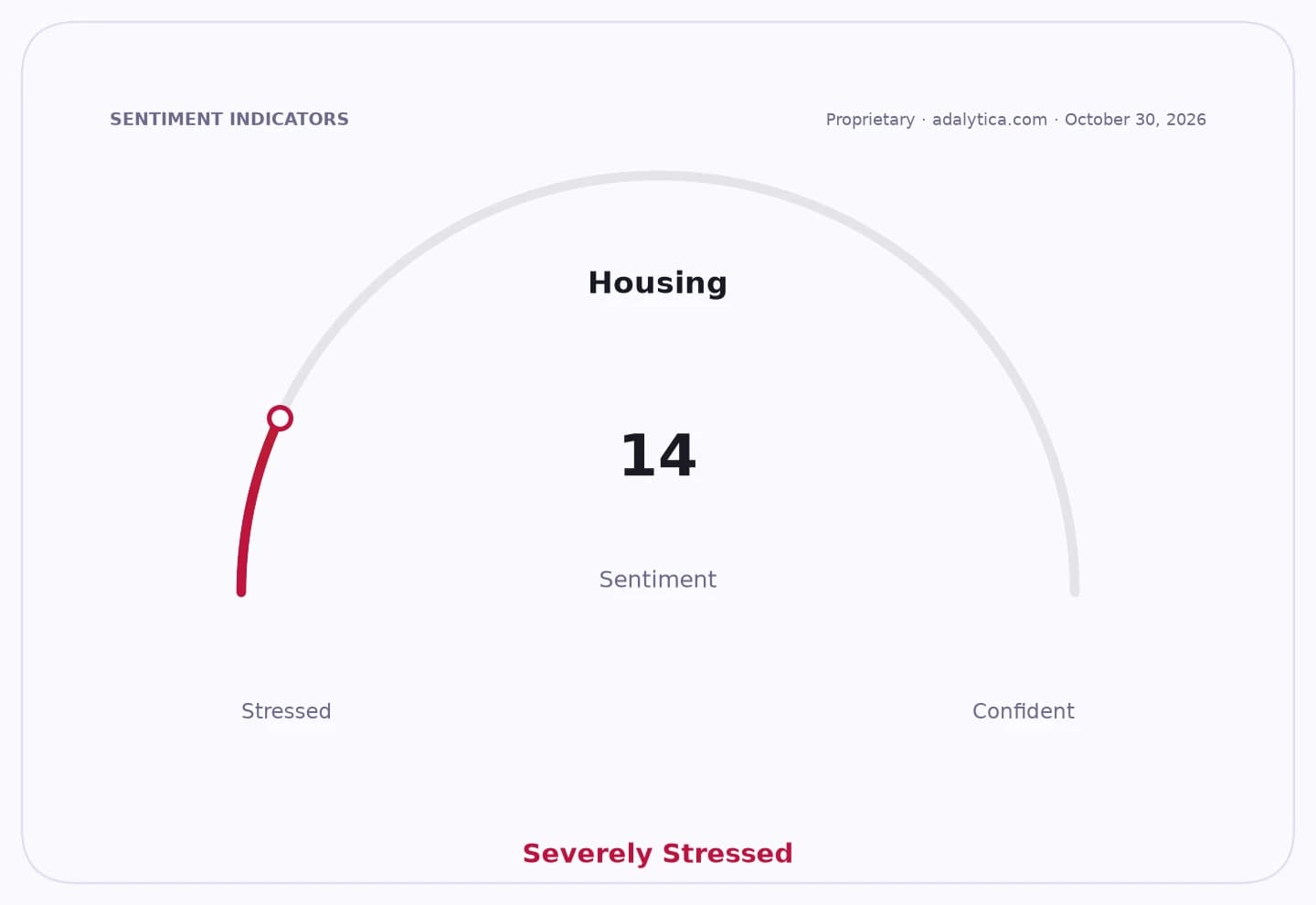
Sentiment Indicators
That tension matters for the broader economy because housing costs feed directly into household spending power, inflation and regional mobility. Spain has been wrestling with sticky rent increases and weak availability in major urban areas, while political uncertainty around enforcement is already making tenants and buyers more cautious.
The decree also raises the stakes for investors in Spain’s rental and residential property market. Institutional owners, build-to-rent platforms and landlords face a more uncertain operating environment if regions or local governments refuse to enforce the rules, as some have already signaled.
For listed U.S. single-family rental groups such as American Homes 4 Rent and Invitation Homes, the Spanish move is not a direct earnings event, but it reinforces the regulatory risk facing rental housing landlords globally. Both companies have already warned in SEC filings that state and federal efforts to limit institutional ownership can raise compliance costs, restrict acquisitions and reduce returns.
Housing stocks are also trading under stress. The Adalytica Housing Fear & Greed Index sits at 4, or “Extreme Fear,” while its housing-and-rent inflation gauge shows “Greed” at 71, underscoring a market split between fear over policy intervention and concern that rents stay elevated.
The next test is whether Spain’s regions enforce the decree consistently and whether landlords respond by slowing investment or pulling back supply. If either happens, the law could cool speculative activity but worsen the shortage it aims to fix.
| Entity | Gains | Losses |
|---|---|---|
| Tenants | ▲More protection from bulk sales | ▼Less certainty on new supply |
| Landlords | ▲Longer-term incumbent cash flows | ▼Lower flexibility and liquidity |
| Spain government | ▲Political win on housing | ▼Risk of weaker housing investment |
| Rental investors | ▲Limited if rules stay uneven | ▼Compliance costs and lower returns |