Cuba’s central bank is moving to make day-to-day transactions possible again in an economy where the peso has been stripped of purchasing power by inflation and a collapsing exchange rate.
Cuba to Circulate 10,000 and 20,000 Peso Notes
The Banco Central de Cuba said it will begin circulating 10,000- and 20,000-peso banknotes, the highest denominations in the country, in a step that underscores how far prices and the informal dollar rate have moved beyond the cash system built after the 2021 currency overhaul. The new notes follow the introduction of 2,000- and 5,000-peso bills and are meant to better match the cash economy to current price levels, officials said.
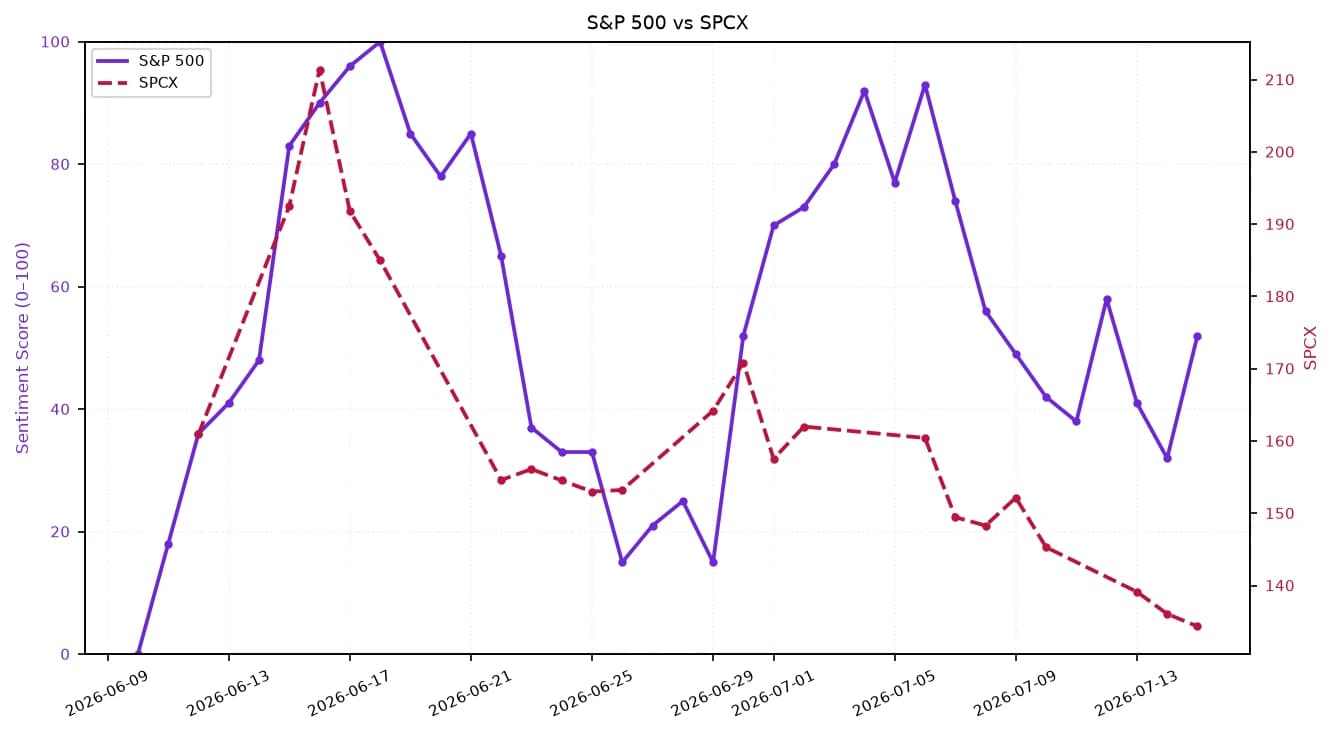
Sentiment IndicatorsⓘProprietary · adalytica.com · September 22, 2026
This is a snapshot — live sentiment, awareness and momentum for 130+ markets update continuously in the dashboard.Open AlphaPulse
The change matters because it is less a monetary reform than an admission of economic reality. When the dollar is trading around 700 Cuban pesos on the street and the euro near 795 pesos, ordinary purchases, payrolls and business payments require ever-larger stacks of cash. Higher-denomination notes do not restore the peso’s value, but they reduce the friction of an economy already forced into nominal inflation on a massive scale.
For investors, the message is blunt: Cuba remains a distress case, not a stabilization story. The issuance of larger banknotes signals that inflation has become embedded enough to require redenomination by stealth, while the country’s banking system struggles to modernize and keep pace with cash demand. In practical terms, that means the peso is still under pressure, the gap between official policy and market pricing remains wide, and any domestic savings held in local currency continue to face erosion.
The central bank framed the move as part of a broader effort to adapt the financial system, improve operations and introduce new technologies. But the immediate catalyst is the same one driving many monetary fixes in high-inflation economies: the currency has become too weak for the denomination structure to function efficiently.
That is why the new notes matter beyond Cuba. They are a signal of how rapidly inflation and devaluation can force even basic payment infrastructure to change. For companies, banks and households, the risk is that nominal adjustments keep arriving while real incomes keep lagging. For dollar holders, remittance receivers and any entity with hard-currency exposure, the peso’s decline remains the trade.
In our view, the market should read this as another confirmation that Cuba’s currency regime is still under strain. Until inflation is brought down and confidence in the peso is rebuilt, higher-value notes will ease transactions — but they will not solve the underlying problem. The investable takeaway is simple: in Cuba, the real winners are hard-currency earners, while holders of pesos continue to lose purchasing power.
| Entity | Gains | Losses |
|---|---|---|
| Dollar holders | ▲Preserved purchasing power | ▼None |
| Remittance recipients | ▲Easier cash handling | ▼Peso purchasing power still erodes |
| Cuban households paid in pesos | ▲More usable banknotes | ▼Inflation and devaluation |
| Cuban peso | ▲Better cash logistics | ▼Credibility and value |