Copper’s surge toward nickel is telling investors something bigger than a commodity price move: the metal once treated as common is becoming scarce in all the ways that matter for the AI and electrification boom.
Copper Price Surge and Nickel Gap Widen
The most important development is the narrowing gap between copper and nickel, with copper hitting a record 14,875 dollars a metric ton on the London Metal Exchange and, by Sept. 15, trading as much as 88% above nickel. That is a remarkable shift in a market where copper has never been more expensive than nickel in LSEG data going back to 2005. For investors, the message is clear: the metals that power data centers, electric vehicles and grid buildouts are being repriced by long-cycle demand, while nickel is facing a much less supportive setup.
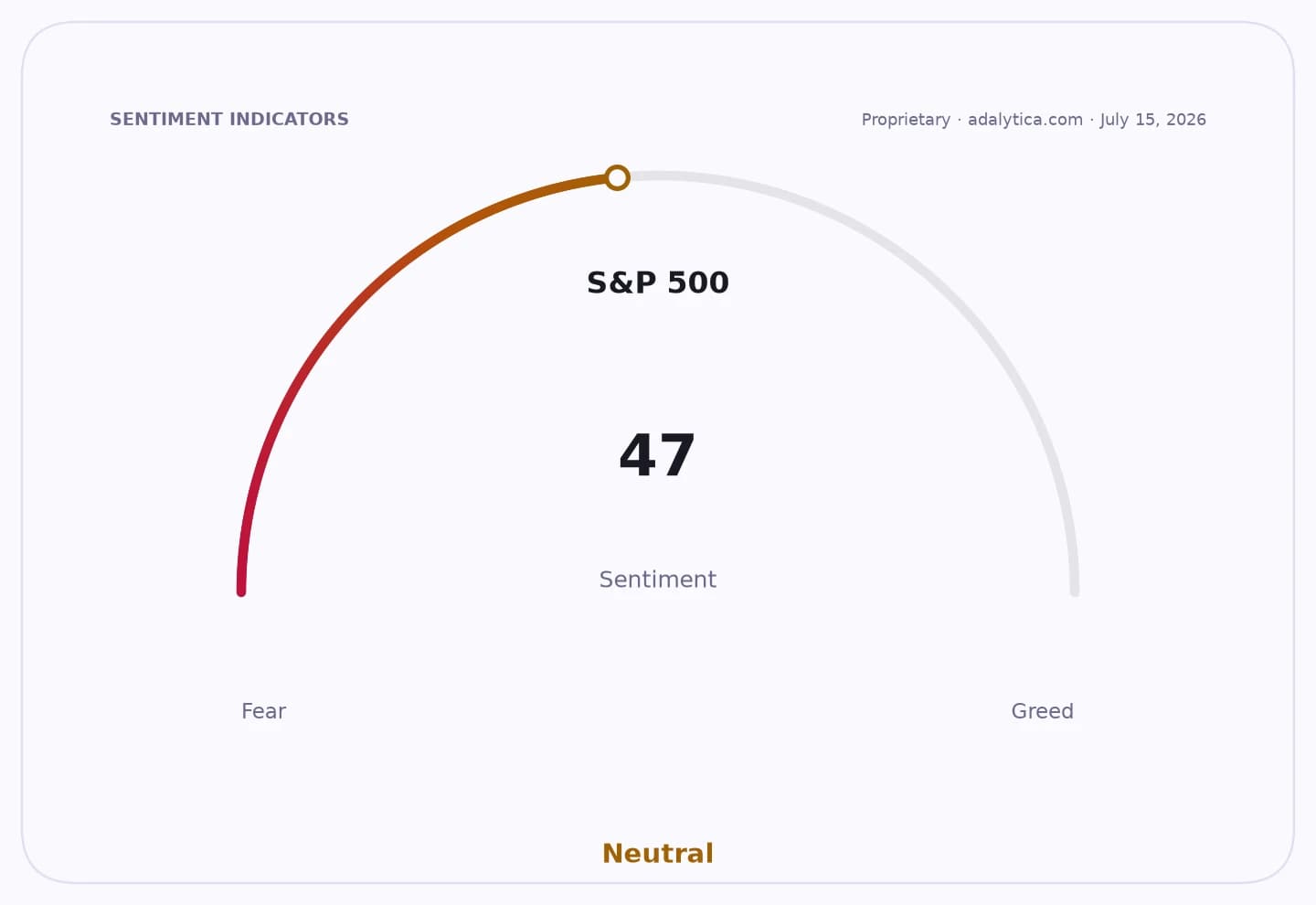
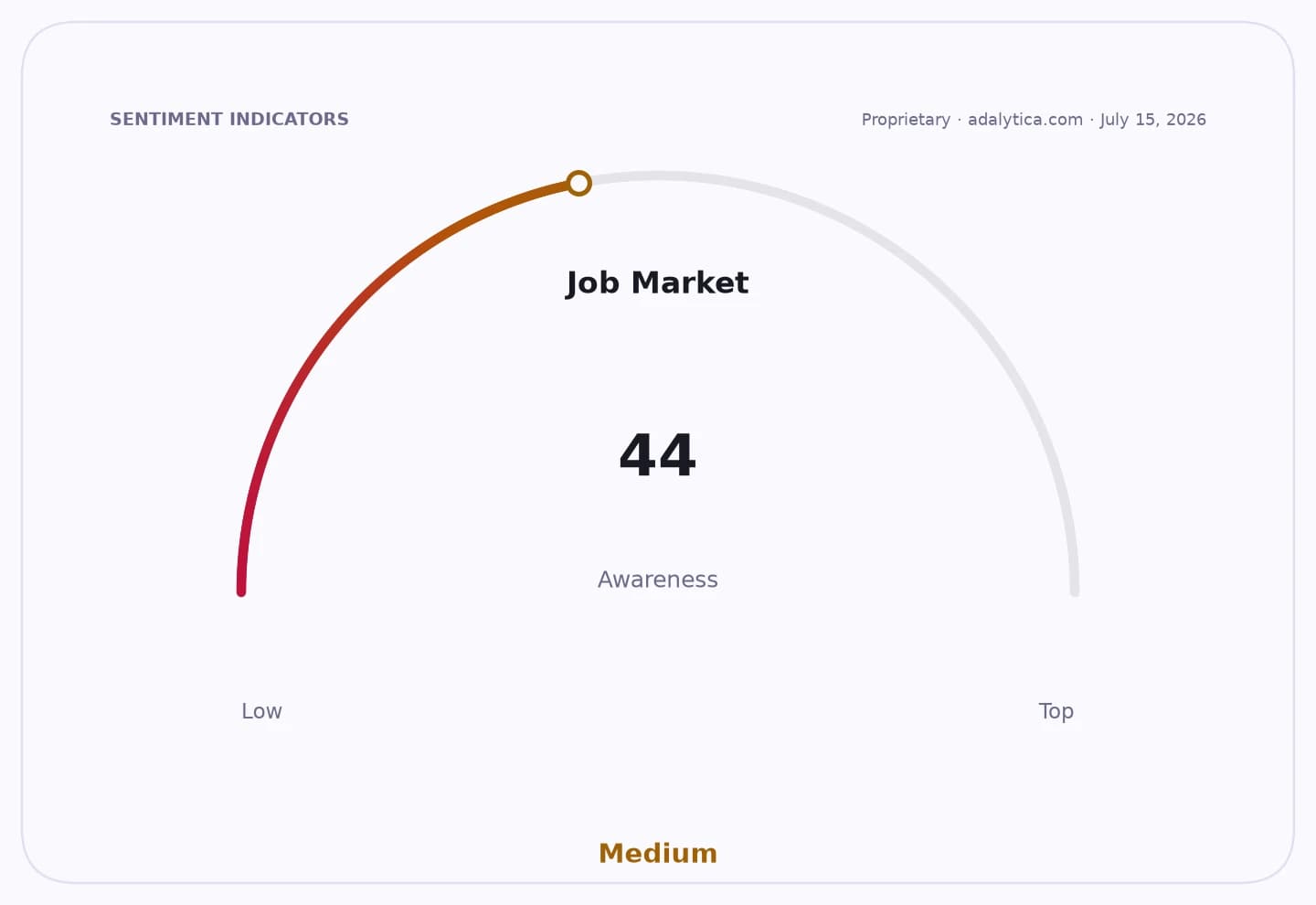
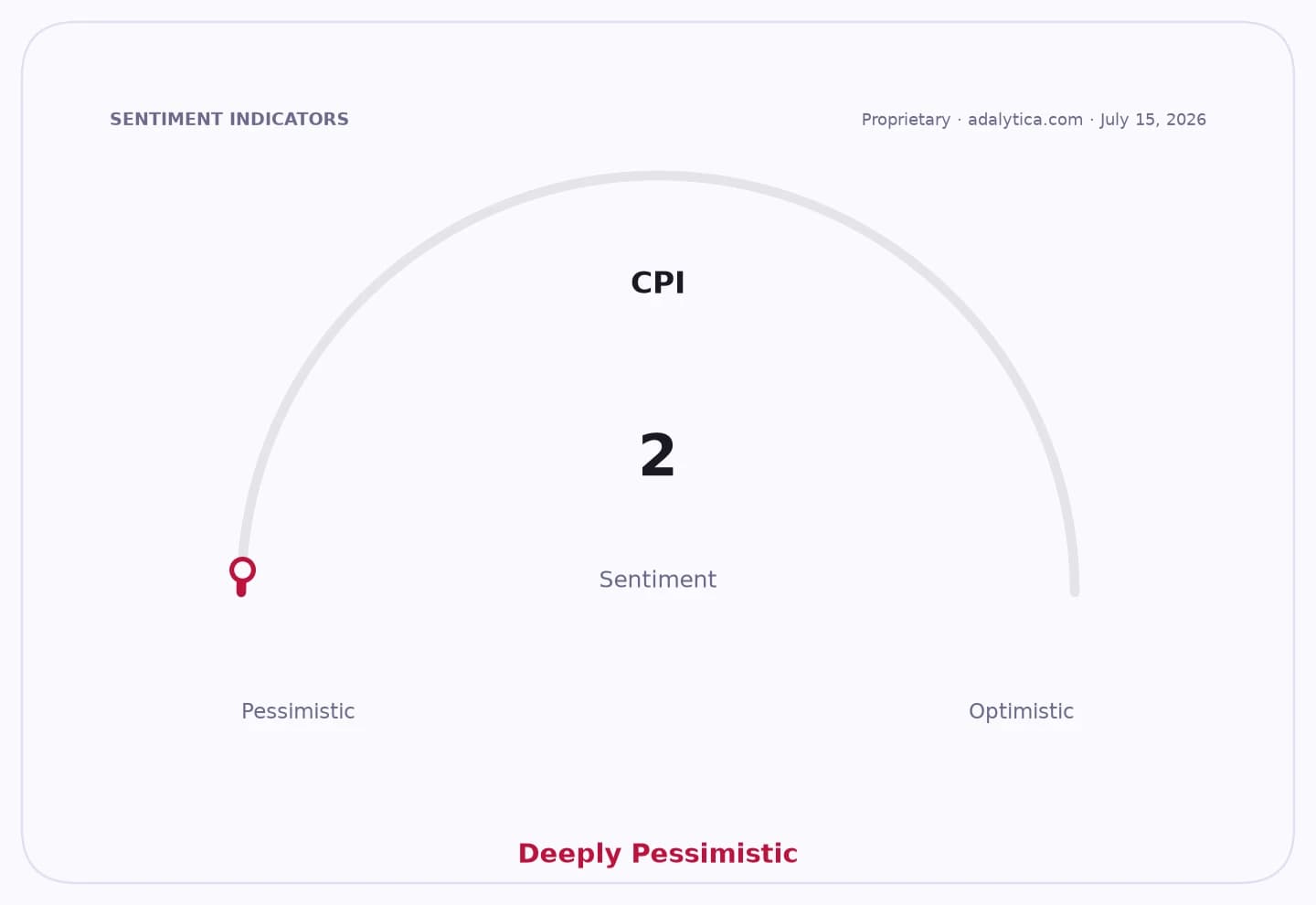
Sentiment IndicatorsⓘProprietary · adalytica.com · September 20, 2026
This is a snapshot — live sentiment, awareness and momentum for 130+ markets update continuously in the dashboard.Open AlphaPulse
Why does that matter economically? Because copper sits at the center of the physical economy. It is essential for wiring, power networks, industrial equipment and the data centers being built to support artificial intelligence. Decarbonization has already lifted demand through electric vehicles and renewable energy, but the latest leg higher is coming from AI infrastructure, which uses large amounts of high-conductivity copper in cables and power systems. In other words, this is not a cyclical blip. It is a structural shortage story tied to the world’s biggest capital-spending themes.
The supply side makes the case even stronger. Global copper output reached about 23 million tons in 2025, up only about 20% over the past decade, while ore grades continue to deteriorate and easy-to-mine deposits are running out. S&P Global Energy has warned that annual mine output could peak at 27 million tons by 2030 and then fall to 22 million tons by 2040 if new mines are not developed. That is exactly the kind of constraint that can keep prices elevated even if growth softens. By contrast, nickel supply has expanded far faster, with global production up about 80% in 10 years, led by Indonesia, which has become the world’s dominant producer. Some battery makers are also steering away from nickel-heavy chemistries because the metal is relatively expensive, adding to oversupply pressure.
For investors, the implications are immediate. Copper producers such as Freeport-McMoRan and Southern Copper stand to benefit from a market where the underlying commodity is being pulled upward by secular demand and increasingly limited supply. The stock charts reflect that underlying strength: Freeport shares have staged a major run, while copper futures remain near the top of their recent range, supported by a 50-day moving average that has trended above the longer-term average in recent trading. Nickel-linked producers, by contrast, face a tougher path unless demand improves or supply growth is curtailed.
There is also a national-security angle that investors should not ignore. The United States added copper to its critical minerals list in 2025 and is accelerating the Resolution project in Arizona, which could become the country’s largest copper mine. That underscores how resource competition is moving beyond oil and gas and into the metals needed for AI, electrification and industrial modernization. When governments start treating a metal like a strategic asset, the market usually starts to price it that way too.
The long-term takeaway is simple: copper is no longer just an industrial metal, and nickel is no longer the automatic premium metal. If AI buildouts, EV adoption and grid investment keep compounding, copper could remain the more important mineral of the two — economically and strategically — for years. For long-term investors, miners with low-cost copper reserves are worth watching closely, while nickel’s recent weakness is a reminder that not every “critical” metal enjoys the same demand tailwind.
| Entity | Gains | Losses |
|---|---|---|
| Copper producers | ▲Higher prices and stronger margins | ▼Output constraints and capex pressure |
| AI and EV builders | ▲Secure long-term supply priority | ▼Higher input costs |
| Nickel producers | ▲Limited benefit from strategic status | ▼Oversupply and weaker pricing |
| Governments securing minerals | ▲Better supply resilience | ▼More competition for scarce deposits |