Borrowing to pay off borrowing may lower a monthly bill, but it does not make debt disappear — and that warning matters for households already stretched by high interest rates and rising living costs.
Consumer Debt Consolidation and Credit Risk

That is the central message from financial coach Fabrizio Molina Carrera, who said using one debt to cover another simply changes the structure of the obligation, usually stretching it out over time instead of reducing it. For investors, the lesson reaches well beyond personal finance: when consumers lean on refinancing, balance transfers or extra credit to stay afloat, lenders may keep collecting interest, but the underlying credit risk does not go away.
Sentiment IndicatorsⓘProprietary · adalytica.com · September 20, 2026
This is a snapshot — live sentiment, awareness and momentum for 130+ markets update continuously in the dashboard.Open AlphaPulse
Molina Carrera’s advice was straightforward. Before making any move, borrowers should build a budget, list every debt and make decisions based on the income they actually have today, not on hoped-for raises, bonuses or year-end payouts. That matters because a financial system built on optimism can look stable right up until households run out of room to refinance again.
His caution also highlights a broader truth about debt management: consolidation can be useful, but only when it is disciplined. If a borrower closes the old cards, avoids reusing them and commits to the new payment, the strategy can help restore order. If not, it becomes a longer runway to the same problem. For consumers, that can mean years of extra interest and less flexibility. For banks and card issuers, it can mean a slower-moving but more persistent repayment risk.
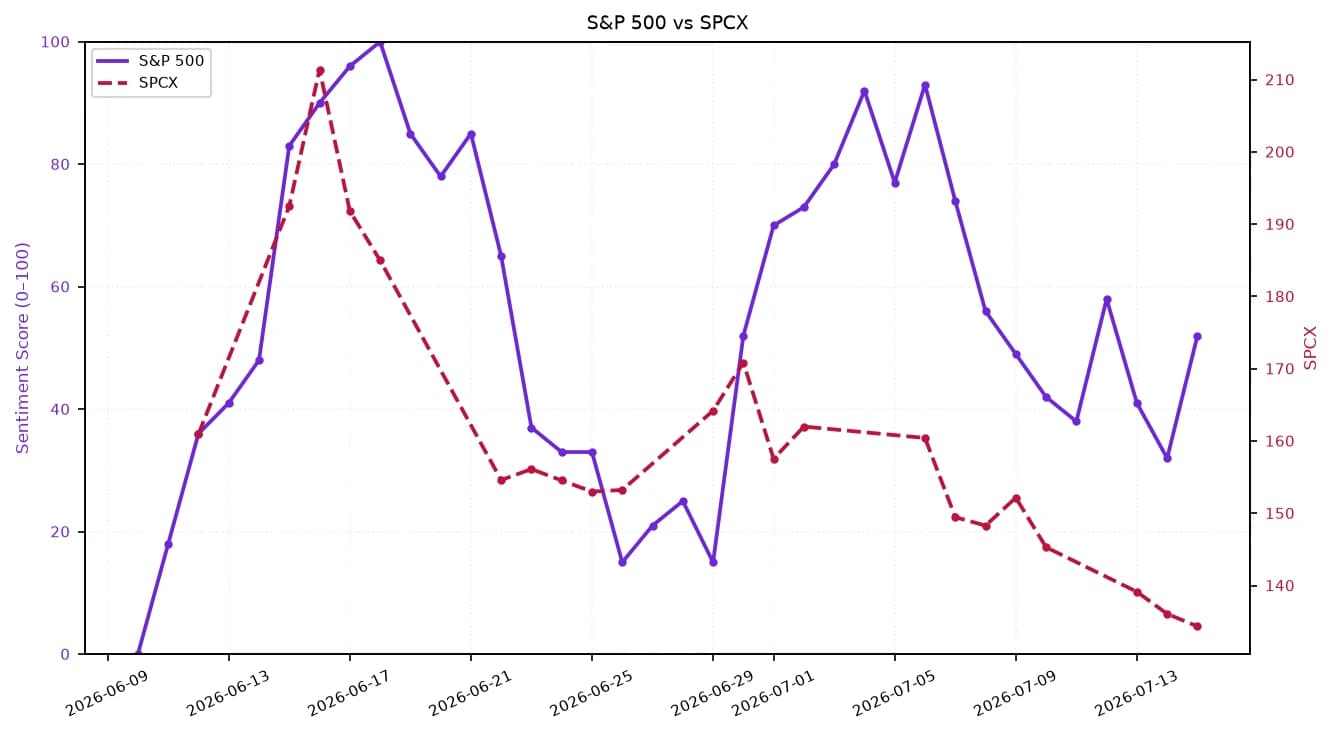
That is where the investor angle comes in. Lenders such as Capital One Financial and Synchrony Financial make money when borrowers carry balances, but they are also exposed when customers are forced to shuffle debt rather than pay it down. On the market side, the tone around debt is uneasy: the S&P 500’s Adalytica sentiment gauge sits in “fear,” even as awareness remains elevated, a sign that investors are still focused on balance-sheet stress and the durability of consumer spending.
The long-term takeaway is simple. Debt is not solved by moving it around, and households that understand that early are more likely to preserve wealth over time. For investors, that makes cautious credit selection and diversified exposure more important than chasing short-term borrowing trends. In a world where consumers are still tempted to finance yesterday’s bills with tomorrow’s income, the businesses with the strongest underwriting and the cleanest balance sheets are still the ones worth watching.
| Entity | Gains | Losses |
|---|---|---|
| Disciplined borrowers | ▲Clearer budgets | ▼Less short-term flexibility |
| Lenders with strong underwriting | ▲Lower default risk | ▼Slower loan growth |
| Credit card issuers | ▲Interest income from balances | ▼Higher repayment stress |
| Highly indebted households | ▲Chance to reset finances | ▼Longer debt burden |