The government has issued 15 emergency decrees to speed rebuilding after the Aug. 10 earthquake, betting that tax relief, cheap credit and payroll support will revive businesses, protect jobs and shift part of the reconstruction burden to private capital.
Colombia Issues 15 Decrees to Speed Earthquake Rebuilding
The package is the clearest sign yet that authorities want reconstruction to do more than replace damaged housing and roads. They are trying to restart local economic activity in the quake-hit municipalities, where nearly 45,074 of about 297,050 formal firms across six departments reported some level of damage, or roughly 15%.
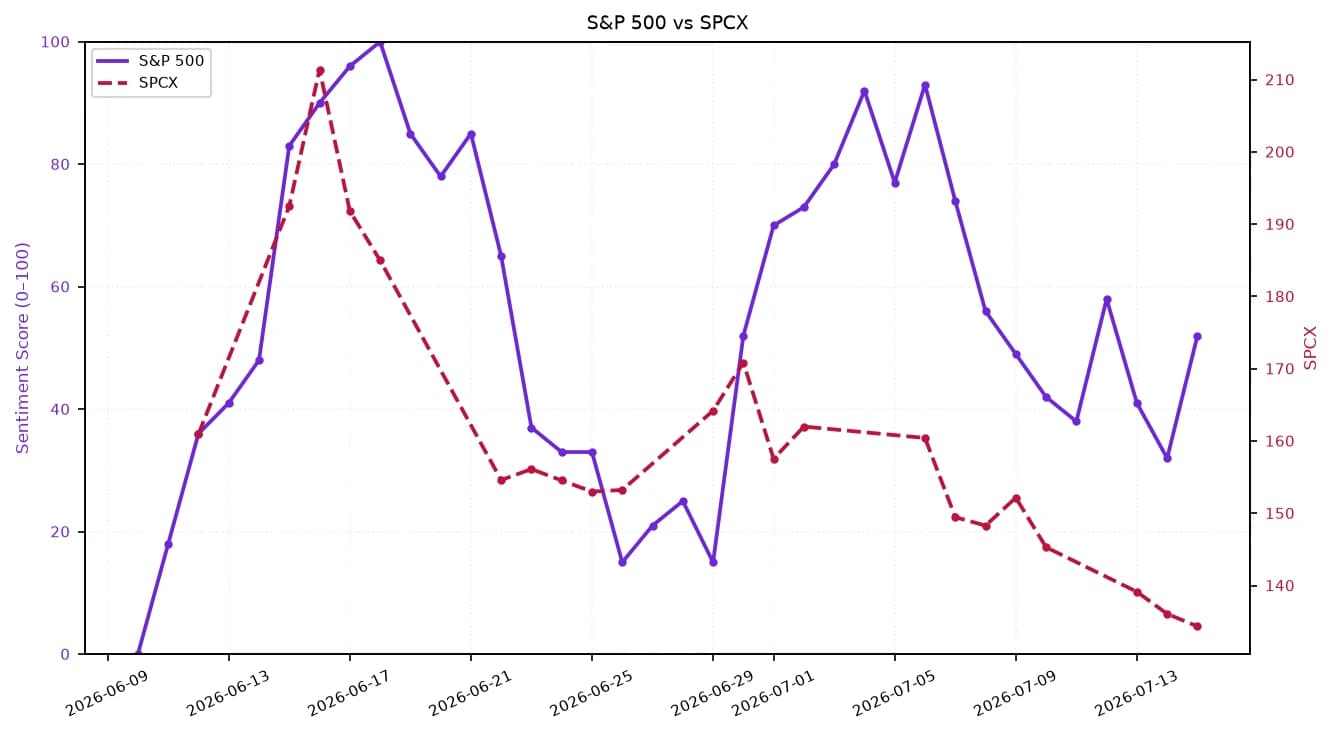
Sentiment IndicatorsⓘProprietary · adalytica.com · September 22, 2026
This is a snapshot — live sentiment, awareness and momentum for 130+ markets update continuously in the dashboard.Open AlphaPulse
At the center of the plan is a temporary tax regime designed to lure new investment into affected areas. Under the flagship decree, eligible projects must be new investments, located in the emergency zone, generate jobs and begin within 12 months of the emergency declaration. Corporate income tax on the related project starts at 20% and can fall to 15% if the company adds enough jobs, with each 250 direct hires trimming the rate by one percentage point.
That matters because reconstruction spending can become a growth engine if it draws in companies rather than relying only on the public sector. The government is effectively offering a lower tax bill in exchange for capital formation and employment, while accepting an immediate fiscal cost in hopes of larger tax collections later as activity normalizes.
Another decree opens special Bancóldex credit lines with interest-rate compensation and guarantees for businesses that need working capital, repairs, asset replacement or debt normalization. The government is also easing access to home financing for repairs and rebuilding, and allowing Chamber of Commerce resources to be used for recovery efforts.
Payroll support is aimed at preventing the disaster from turning into a deeper labor-market shock. Micro and small businesses, along with individual employers, can receive assistance equal to 40% of the minimum wage per worker for up to six monthly cycles if they meet the conditions.
For investors, the decree package points to an eventual pickup in demand for construction, materials, financing and logistics in the affected region, even if the near-term impact is mostly administrative and financing related. It also raises the odds that private developers and contractors will take a larger role in reconstruction, including under Decree 1413, which explicitly seeks to finance and execute part of the rebuilding through private firms.
That creates a clear split in winners and losers. Companies with capital, financing access and construction capacity stand to gain from new projects and subsidized credit, while local businesses with damaged inventories, weaker balance sheets and no immediate access to the incentives remain vulnerable in the transition.
The broader economic gamble is that temporary relief can preserve jobs and keep firms alive long enough for reconstruction to translate into durable activity. The next test will be whether the decrees unlock private investment quickly enough to matter before the rebuilding cycle slows or the fiscal cost becomes harder to absorb.
| Entity | Gains | Losses |
|---|---|---|
| Private builders and developers | ▲New reconstruction contracts | ▼Higher execution risk |
| Affected small businesses | ▲Payroll aid and credit access | ▼Damaged balance sheets |
| Quake-hit municipalities | ▲Faster rebuilding activity | ▼Delayed recovery if uptake is slow |
| Government finances | ▲Future tax base expansion | ▼Near-term revenue sacrifice |