Coffee drinkers are likely to face higher bar prices in January as Illycaffè Chief Executive Cristina Scocchia warns that roasters and cafés may have little choice but to pass on stubbornly high input costs.
Coffee prices rise as Illycaffe warns on costs
That matters because coffee is no longer dealing with a short-lived commodity shock. Scocchia said the price of green coffee has risen 80% over five years, with arabica climbing from 170 cents a pound in 2021 to about 300 cents in recent weeks, while energy, logistics and fertilizer costs have also jumped. In a business with thin margins, that mix leaves operators squeezed between inflationary inputs and price-sensitive consumers.
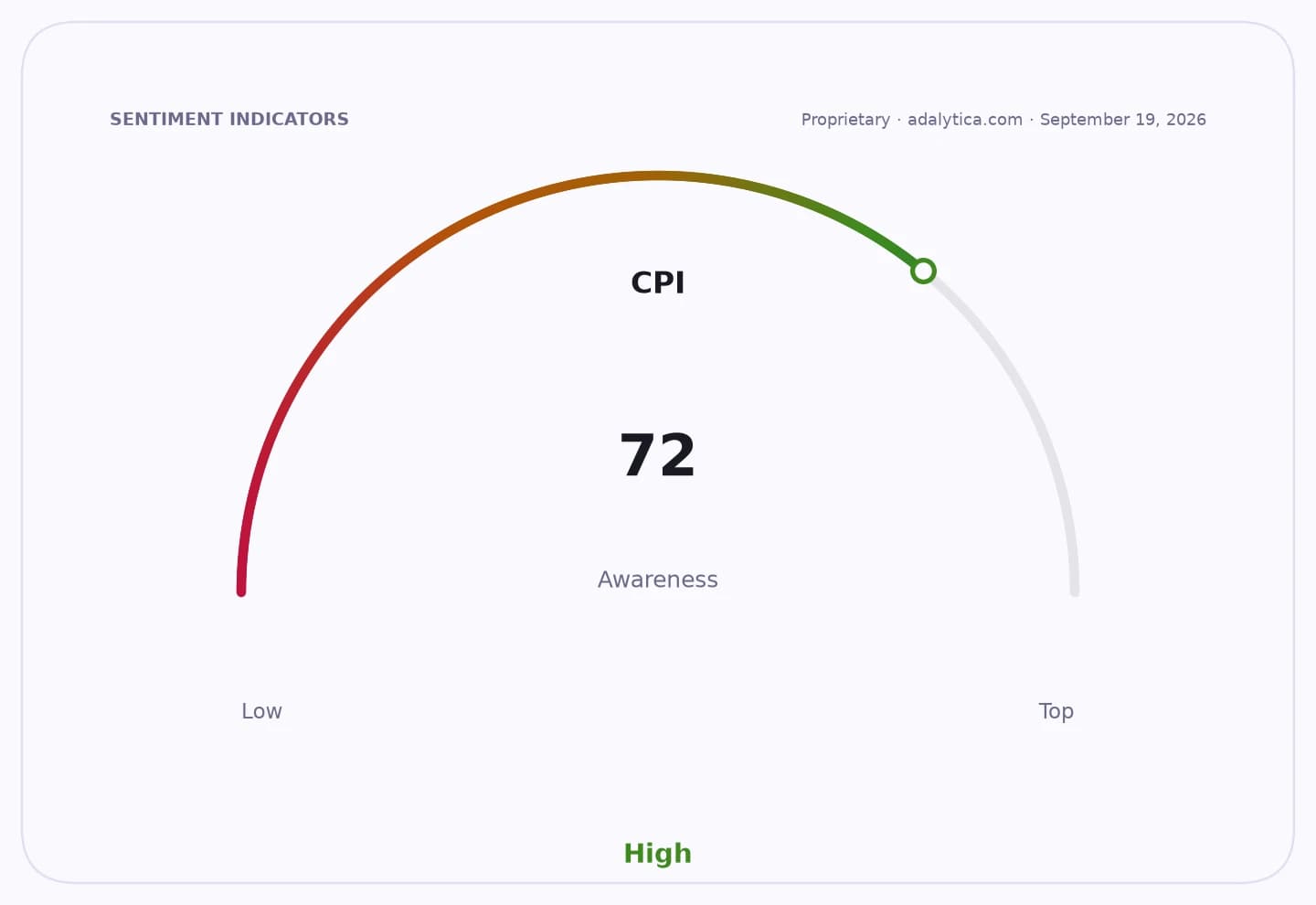
Sentiment IndicatorsⓘProprietary · adalytica.com · September 19, 2026
This is a snapshot — live sentiment, awareness and momentum for 130+ markets update continuously in the dashboard.Open AlphaPulse
For investors, the key takeaway is that coffee inflation is becoming structural, not cyclical. Illycaffè has tried to absorb most of the increase and pass through only a small share, but Scocchia’s message is clear: if arabica stabilizes around 283-300 cents a pound, retail pricing will have to move higher. That is a tailwind for upstream growers and commodity-linked trading exposure, but a margin headwind for cafés, branded roasters and consumer-facing chains that cannot fully offset costs with volumes.
The market backdrop supports that view. Arabica futures have been volatile, and the recent move lower does not erase the broader squeeze from geopolitics, weather risk in Brazil and logistics disruption tied to Middle East tensions. On the supply side, Scocchia said record production is expected this year, which should in theory cap prices if demand remains in the 3% to 5% growth range. But the market is trading more on fear of supply interruptions than on clean fundamental balance, and that is exactly why pricing power matters now.
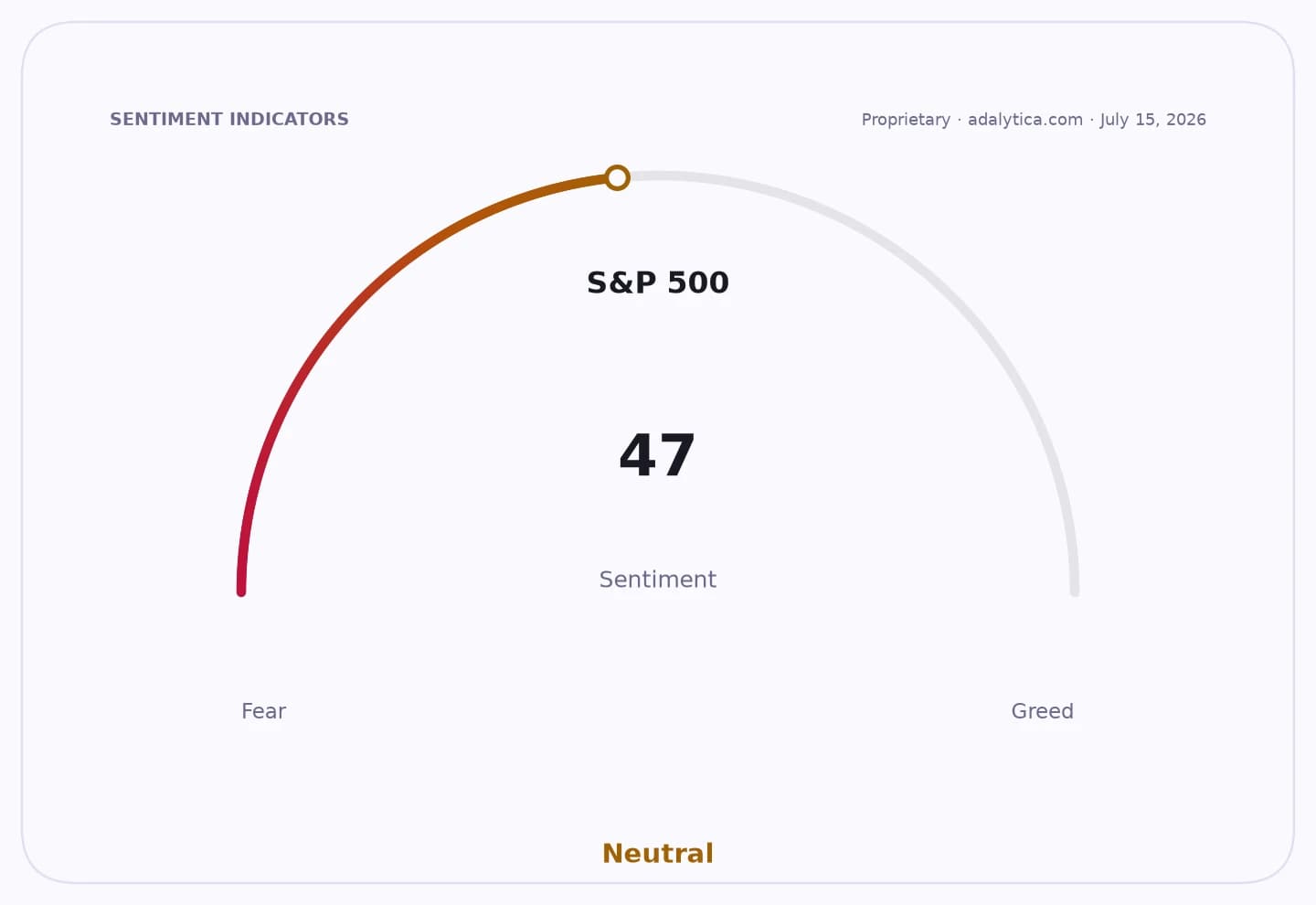
Adalytica’s consumer spending sentiment gauge still shows appetite, but not enough to assume households will absorb endless price hikes without pushback. The risk is not just a higher tab at the bar; it is a broader test of how much inflation the coffee value chain can absorb before it begins to hit demand, mix and margins. Starbucks, other global café chains and packaged coffee groups will all be forced to decide whether to defend market share or defend profitability.
Illycaffè’s own growth story adds another layer. The company has expanded revenue 40% over four years to about 700 million euros, invested heavily in Trieste and said it is not ready to list in 2026 because market conditions are not right. That suggests management wants scale first and a public market window later, likely in 2027 or 2028 if conditions improve. For investors, the play is not just the final cup price; it is positioning for a multi-year coffee inflation cycle that should reward strong brands, disciplined pricing and companies with real supply-chain leverage.
| Entity | Gains | Losses |
|---|---|---|
| Coffee growers | ▲Higher arabica prices | ▼None from input inflation |
| Illycaffè and premium roasters | ▲Brand pricing power | ▼Margin pressure from costs |
| Cafés and restaurants | ▲Potential traffic from premium brands | ▼Squeezed margins |
| Consumers | ▲None | ▼Higher cup prices |