Chinese automakers are slashing prices and piling on incentives in Vietnam, a sign that one of the world’s most competitive auto battles is spilling into Southeast Asia and pressuring margins across the sector.
Chinese automakers cut prices in Vietnam
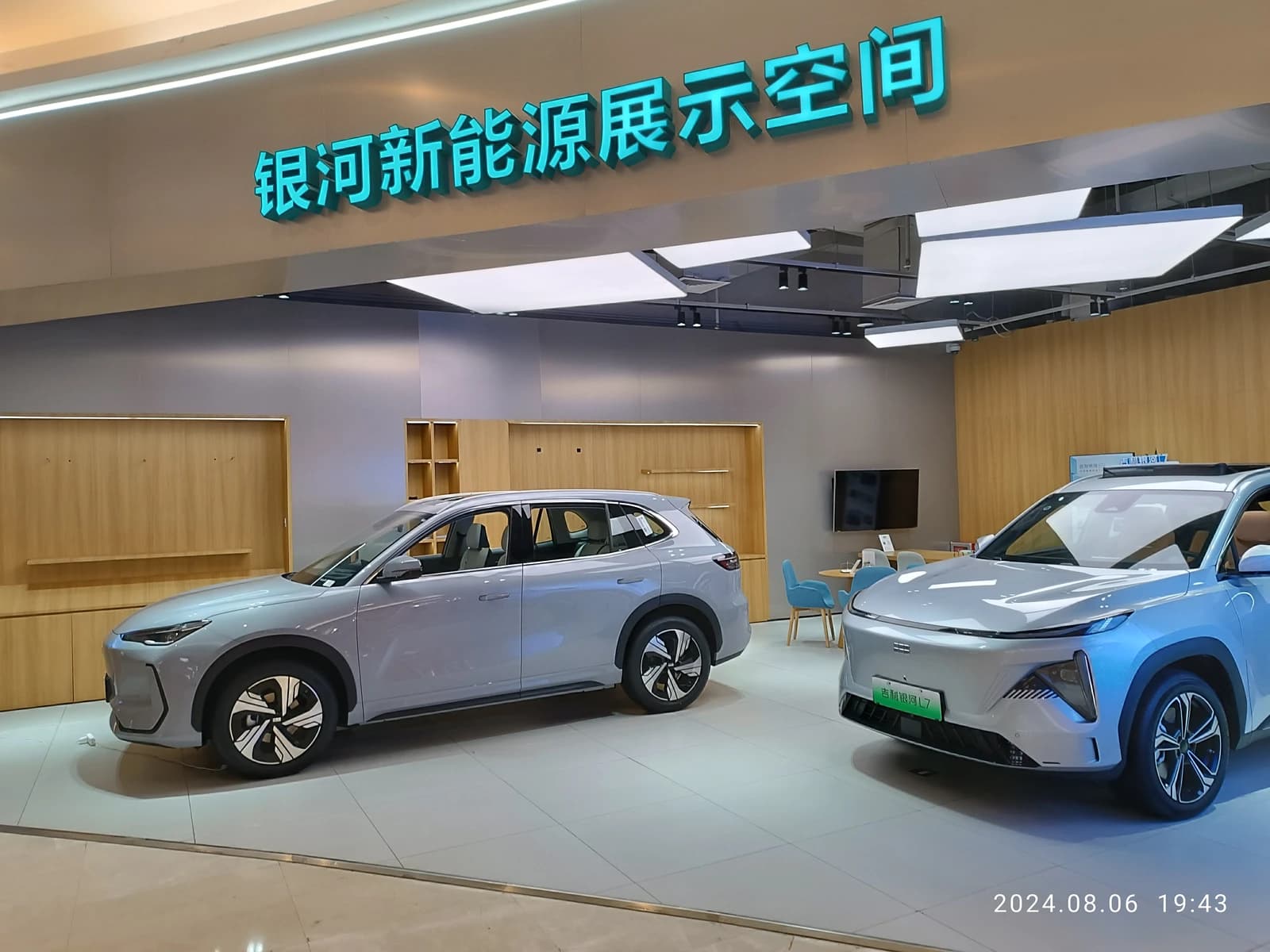
The discounts are broad-based: models from BYD, Geely, GAC, Omoda & Jaecoo and MG are being pushed with cash rebates, free insurance, registration support, maintenance and charging perks, even for cars that were only recently launched. That matters because it shows this is no longer just a clearance effort for leftover 2024 or 2025 inventory. New models are being subsidized almost immediately, which is a classic sign of weak demand and aggressive market-share grabbing.
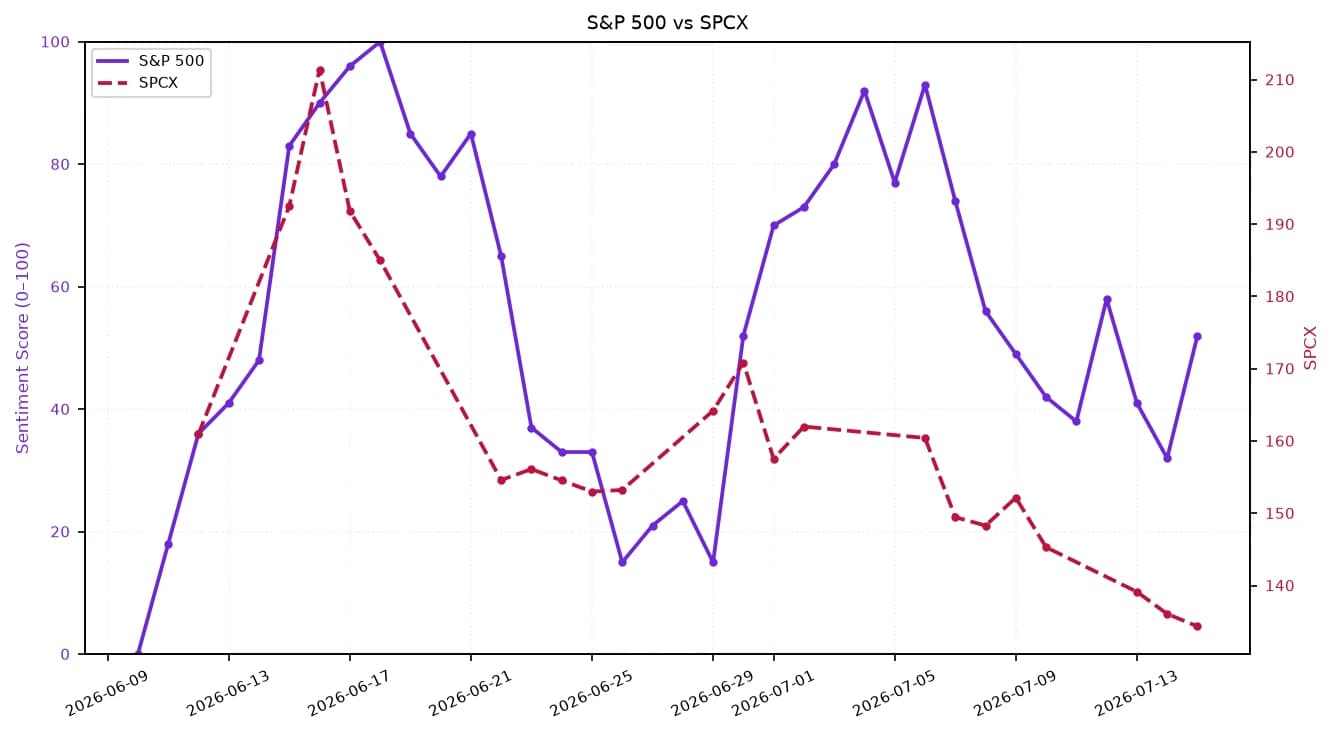
Sentiment IndicatorsⓘProprietary · adalytica.com · September 18, 2026
This is a snapshot — live sentiment, awareness and momentum for 130+ markets update continuously in the dashboard.Open AlphaPulse
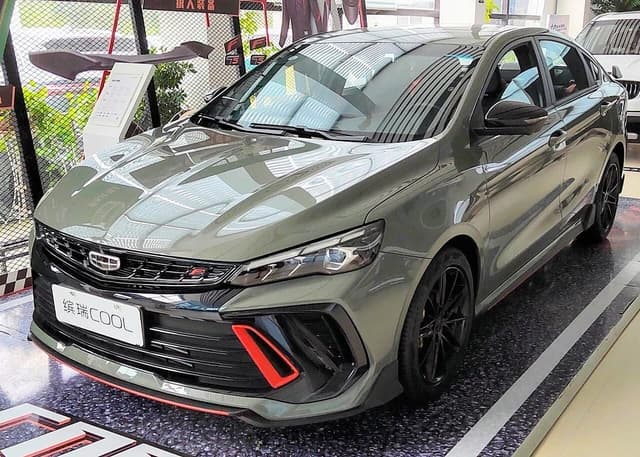
For buyers, the message is simple: Chinese cars are getting cheaper fast. For investors, the more important takeaway is that pricing power is fragile. When a brand has to offer the equivalent of tens of millions of dong in incentives on a new launch, it is giving up near-term profitability to build awareness, move metal and keep factories and dealers busy. That can support unit sales, but it can also delay the path to sustainable earnings.
BYD is the most aggressive in the latest round, with total incentives worth around 100 million dong on some models. The Seal 5, for example, is getting a full waiver of registration fees worth about 69.6 million dong, plus 15 million dong in cash and charging accessories. Older VIN 2025 units of the Han EV are also being supported with discounts, gifts and insurance. MG’s VIN 2025 G50 is getting benefits worth as much as 110 million dong, while MG ZS stock from 2024 is being marked down by more than 100 million dong in some dealerships.
Geely is leaning on service add-ons rather than blunt sticker cuts, including mandatory insurance support, roadside assistance and loyalty points through its distributor Tasco. GAC has cut 40 million dong off the new GS3 Emzoom and paired it with a seven-year warranty and free maintenance labor. Omoda & Jaecoo has extended introductory pricing on the Jaecoo J5, even though the brand had initially suggested the deal would be short-lived.
That pattern tells investors something important about the Chinese auto expansion story: scale is still being bought, not yet fully earned. In markets like Vietnam, where consumers are price-sensitive and brand loyalty is still forming, discounts can accelerate adoption. But they can also become addictive. Once a market learns to wait for promotions, it becomes harder to recover margins later.
The wider backdrop remains tough for automakers everywhere. Vietnam is entering a softer sales period, and Chinese brands are competing not only with each other but with established Japanese, Korean and local players. In that environment, promotional intensity can lift volumes in the short term, but it is not a substitute for brand strength, product differentiation or a durable service network.
For long-term investors, the real question is which companies can use this phase to build a profitable franchise rather than just chase volume. Brands with strong financing arms, efficient manufacturing and local distribution networks are better positioned to survive a price war. Those without them may find that every sale comes with a margin sacrifice.
The smartest way to think about this is not as a one-month sales promotion, but as part of a years-long battle for market share in a fast-growing region. If these automakers can turn discount-driven trial into repeat demand, today’s incentives could look like a smart investment. If not, they may simply be a warning that the Southeast Asian auto market is becoming another arena where growth is expensive.
| Entity | Gains | Losses |
|---|---|---|
| Vietnamese buyers | ▲Lower prices and richer perks | ▼Little immediate downside |
| Chinese automakers | ▲Short-term volume and market entry | ▼Profit margins |
| Local dealers/distributors | ▲Higher showroom traffic | ▼Pricing discipline |
| Japanese/Korean rivals | ▲None | ▼Share to discounted Chinese brands |