China’s urban youth unemployment rate jumped to 18.9% in August, the highest reading under the current methodology, underscoring how a seasonal wave of graduates is colliding with a labor market that remains stable for older workers but is still struggling to absorb new entrants.
China youth unemployment hits 18.9% in August

The rise matters because youth joblessness is one of the clearest gauges of pressure inside the world’s second-largest economy. The National Bureau of Statistics said unemployment for people aged 16 to 24, excluding students, climbed 1 percentage point from July, while the rate for those aged 25 to 29 rose to 7.5%. By contrast, unemployment among workers aged 30 to 59 was unchanged at 3.9%, and the overall surveyed urban unemployment rate edged up only 0.1 point to 5.3%.
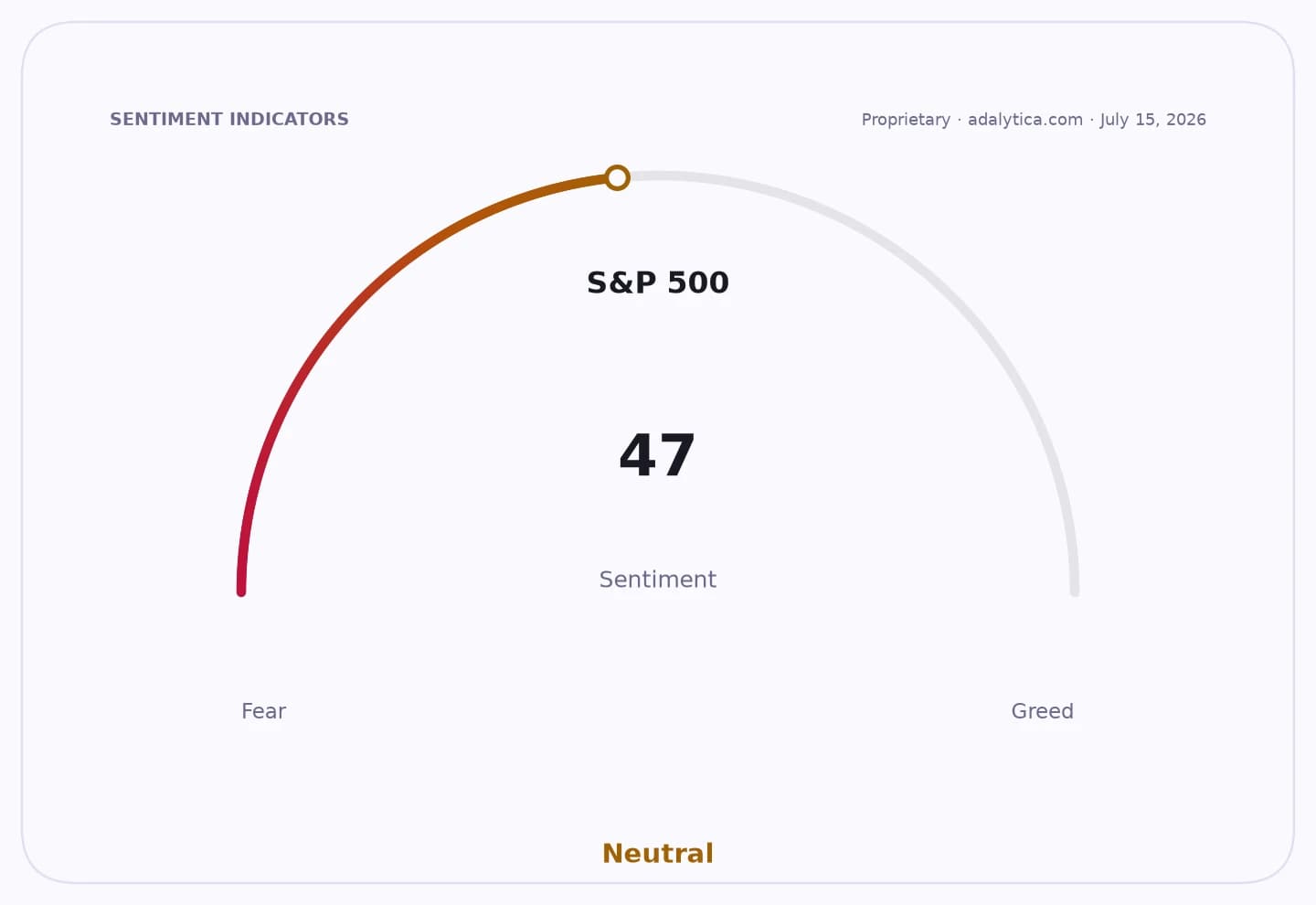
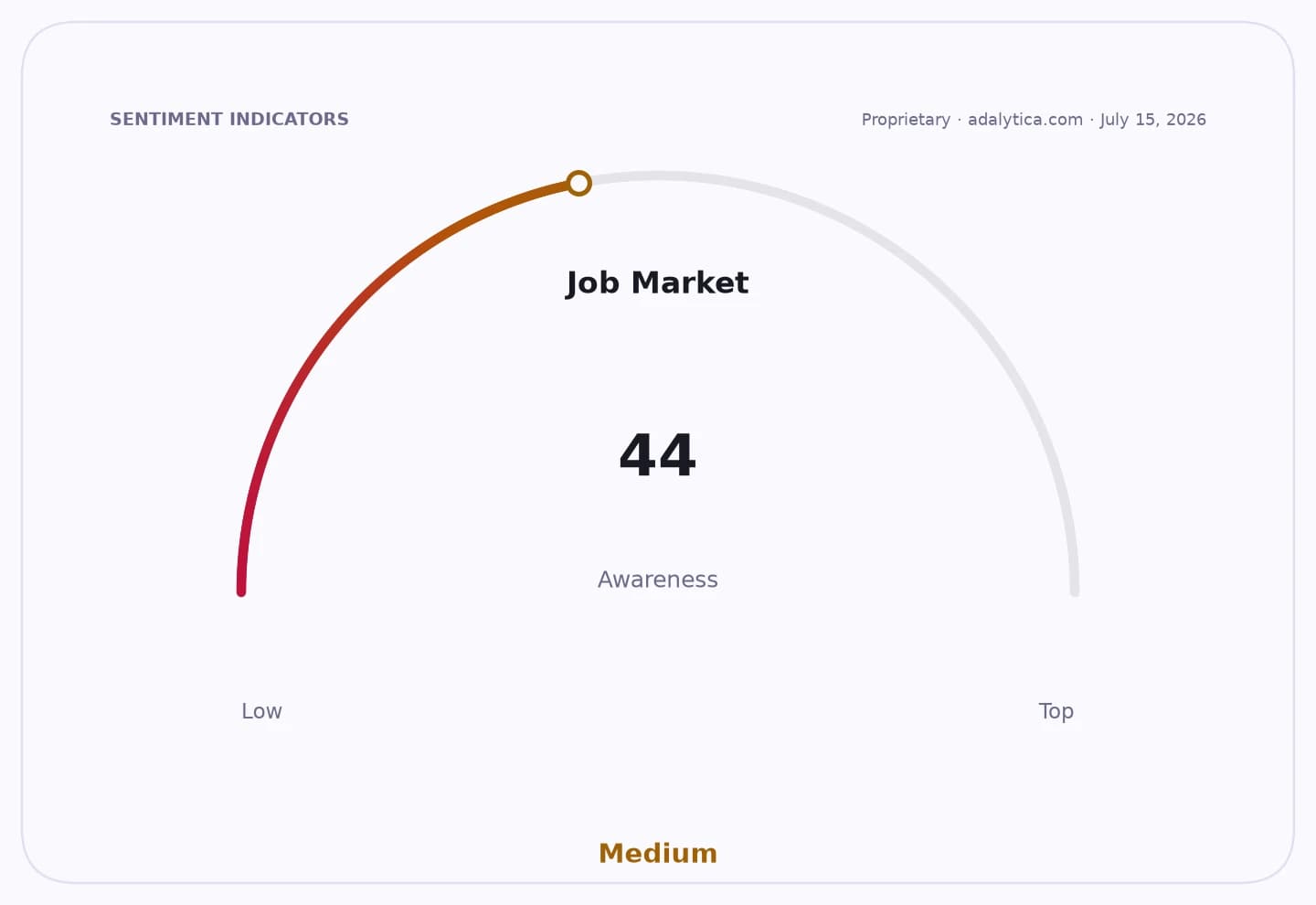
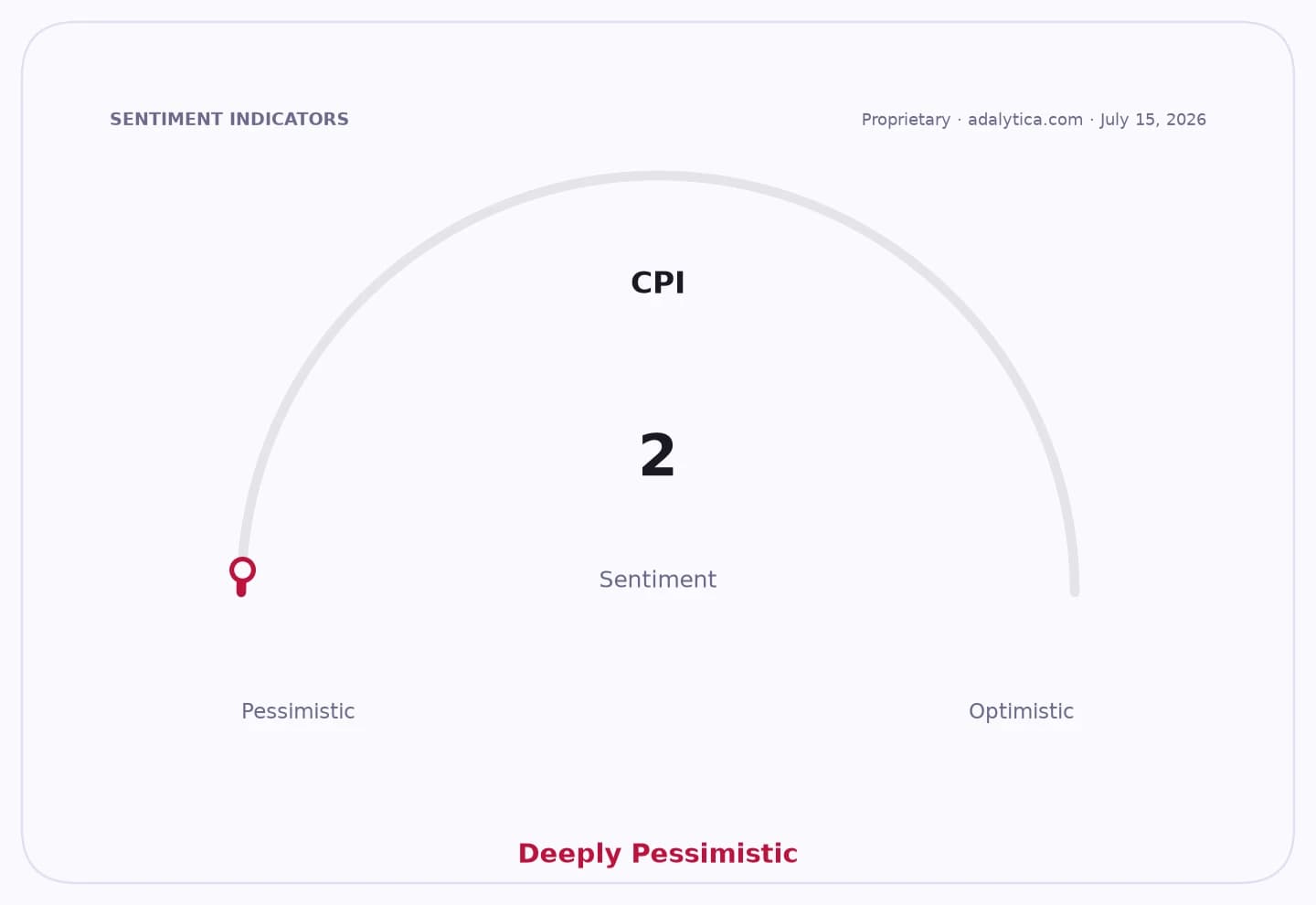
Sentiment IndicatorsⓘProprietary · adalytica.com · September 20, 2026
This is a snapshot — live sentiment, awareness and momentum for 130+ markets update continuously in the dashboard.Open AlphaPulse
That split tells the real story. China’s labor market is not deteriorating evenly; the stress is concentrated among first-time job seekers and recent graduates, a cohort that is large, highly visible and politically sensitive. August is typically the worst month for youth unemployment as universities release millions of graduates into the labor market. But a record high even under a revised methodology introduced in 2024 suggests the problem is bigger than seasonality alone, reflecting a mismatch between the skills young workers have and the jobs being created.
For policymakers, the data is a reminder that headline employment stability can obscure deeper weakness. Stable unemployment for established workers suggests companies are not yet shedding labor aggressively, but it also implies firms remain cautious about hiring. That leaves new entrants competing for a limited pool of openings, particularly in urban areas where white-collar employment is the main route into the middle class. The NBS expects the youth rate to ease in coming months as graduation pressure fades, but the underlying challenge is how quickly the economy can generate enough suitable jobs to absorb each year’s graduates.
For investors, the significance is broader than the labor statistics themselves. Persistent youth unemployment can weigh on household confidence, delay big-ticket spending and reinforce disinflationary pressures in an economy already contending with weak private demand and uneven growth. It also raises the odds of more targeted fiscal, industrial and education policies aimed at employment creation, vocational training and better alignment between university output and labor demand. That could matter for sectors tied to hiring, consumer activity and domestic services, even if the immediate market reaction is likely to be muted.
The market read-through is that China’s employment picture remains bifurcated: older workers are holding up, but the next generation is entering a tougher job environment than the aggregate unemployment rate suggests. Unless job creation improves materially, August’s record may prove less an outlier than a warning that the economy is still not generating enough high-quality entry-level work.
| Entity | Gains | Losses |
|---|---|---|
| Policymakers | ▲More urgency for targeted support | ▼Pressure to boost job creation |
| Recent graduates | ▲Potential policy relief ahead | ▼Weaker bargaining power |
| Employers | ▲Larger labor pool | ▼Higher wage pressure eased, but weaker demand |
| Consumers/retailers | ▲Possible stimulus support later | ▼Softer youth spending |