A growing number of young Chinese are shrinking work’s role in their lives as a weak job market and falling confidence push them into precarious, low-income survival patterns that investors should read as a sign of slower domestic demand and persistent labor-market stress.
China youth job stress weighs on consumption
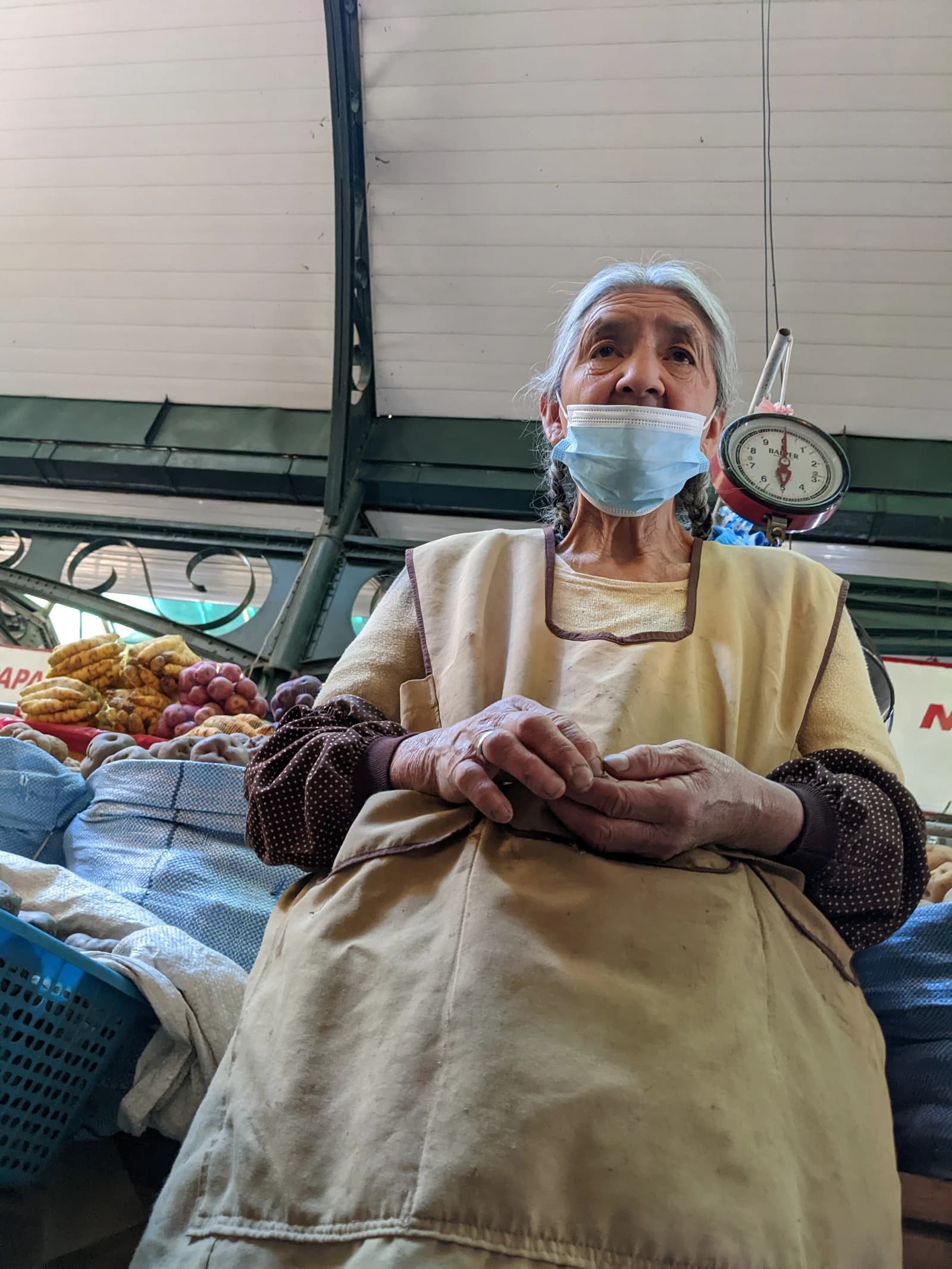
The phenomenon — described online as “guabi,” or wall-hanging, and echoed in the “work one day, rest three days” slang of the earlier “Sanhe Gods” — is less a lifestyle choice than a coping strategy. It captures a generation that is being priced out of stable careers and, in some cases, dropping out of the labor force altogether.
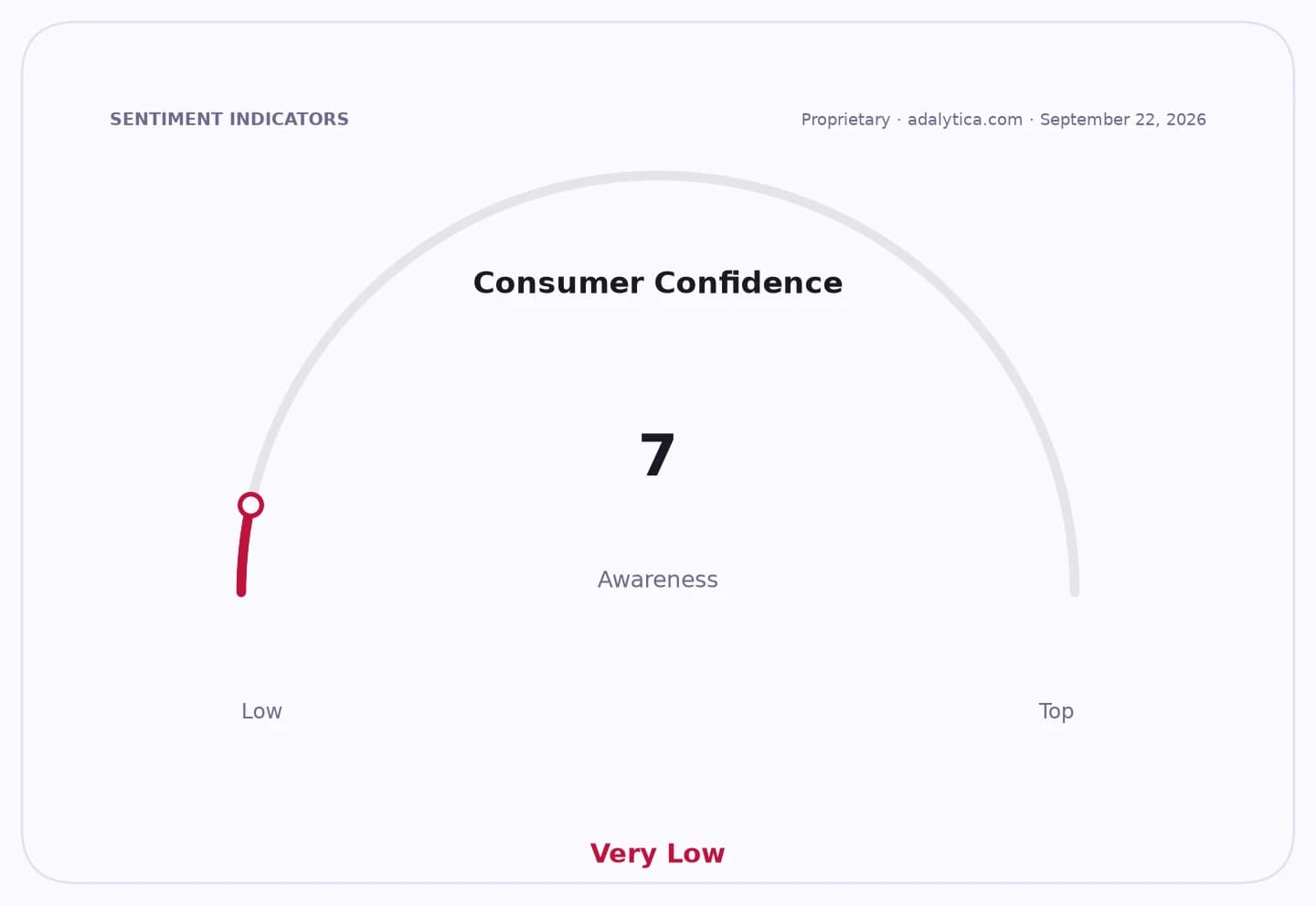
Sentiment IndicatorsⓘProprietary · adalytica.com · September 22, 2026
This is a snapshot — live sentiment, awareness and momentum for 130+ markets update continuously in the dashboard.Open AlphaPulse
That matters economically because young workers are normally the engine of consumption, household formation and urban mobility. When graduates and migrant workers alike are cycling through day jobs, food delivery, livestreaming and informal gigs, they are not building the kind of income security that supports durable spending. The result is softer demand for everything from restaurants and discretionary retail to housing-related services.
Reuters reported in 2024 that urban unemployment among 16- to 24-year-olds, excluding students, hit 17.1% in July, with 11.79 million university graduates entering a market where many sectors were cutting staff and the gig economy had already become crowded. The scale of that pressure is now showing up in public behavior: on Xiaohongshu, hashtags tied to unemployment, layoffs and jobless diaries have drawn a combined 2.1 billion views, underscoring how visible the stress has become.
Consumer Confidence vs FXIadalytica.com
Explore this data interactively — full history, time series and cross-market comparisons.Open AlphaPulse
The social backdrop helps explain why the trend is spreading beyond the factory floor. Earlier versions of the phenomenon were associated with young migrant laborers living on daily wages around job markets such as Sanhe. The current version increasingly includes university graduates who once expected a steadier path into white-collar work but instead face a combination of weak hiring, high living costs and limited family support.
For investors, the implication is not just a labor story but a consumption story. China’s domestic demand recovery depends on households feeling secure enough to spend. A generation that is normalizing temporary work, underemployment and online withdrawal is less likely to drive the kind of aspirational consumption that global brands and local retailers have long counted on. That adds pressure to sectors exposed to discretionary spending and reinforces the case for value, price and resilience over premium growth assumptions.
The tradeable read-through is also broad. Consumer confidence remains fragile, and while China-focused equity funds such as the FXI and KWEB have seen intermittent rebounds, recent technical readings point to a market still fighting momentum rather than confirming a sustained turn. FXI is trading below its 200-day moving average, while KWEB remains well under that long-term trend line, suggesting investors are still demanding evidence that China’s growth and earnings backdrop is improving.
The narrative is therefore not one of young people rejecting work in the abstract. It is that an extended period of economic uncertainty is changing the structure of labor participation, making survival strategies look like lifestyle trends. That is politically sensitive for Beijing, which has made employment stability a priority, and economically important because labor insecurity tends to feed into weaker consumption, lower confidence and more cautious corporate planning.
What to watch next is whether hiring conditions improve enough to pull younger workers back into formal employment, or whether “wall-hanging” continues to spread as a socially accepted response to limited opportunity. If the latter, the cost will not just be personal. It will be reflected in slower demand growth, weaker wage momentum and a longer-than-expected drag on China-related assets.
| Entity | Gains | Losses |
|---|---|---|
| Underemployed young workers | ▲Short-term flexibility | ▼Income stability |
| Employers in China | ▲Lower wage pressure | ▼Access to skilled talent |
| Consumer-focused companies | ▲Value-led demand pockets | ▼Premium discretionary spending |
| China equities (FXI, KWEB) | ▲Policy stimulus hopes | ▼Weak earnings confidence |