China sharply increased imports of Russian wheat in January-August 2026, buying $17.6 million worth of the grain, seven times more than a year earlier, in a sign that geopolitical realignment is starting to reshape global agricultural trade.
China boosts Russian wheat imports in 2026
The move matters economically because China is still a relatively small buyer of Russian wheat, but the jump points to a broader diversification of supply at a time when global grain markets remain sensitive to weather, logistics and Black Sea trade disruptions. For Russia, even modest gains in China are important: they help compensate for constrained access to some traditional markets and reinforce agriculture as one of the country’s few export lines with room to grow despite sanctions pressure.
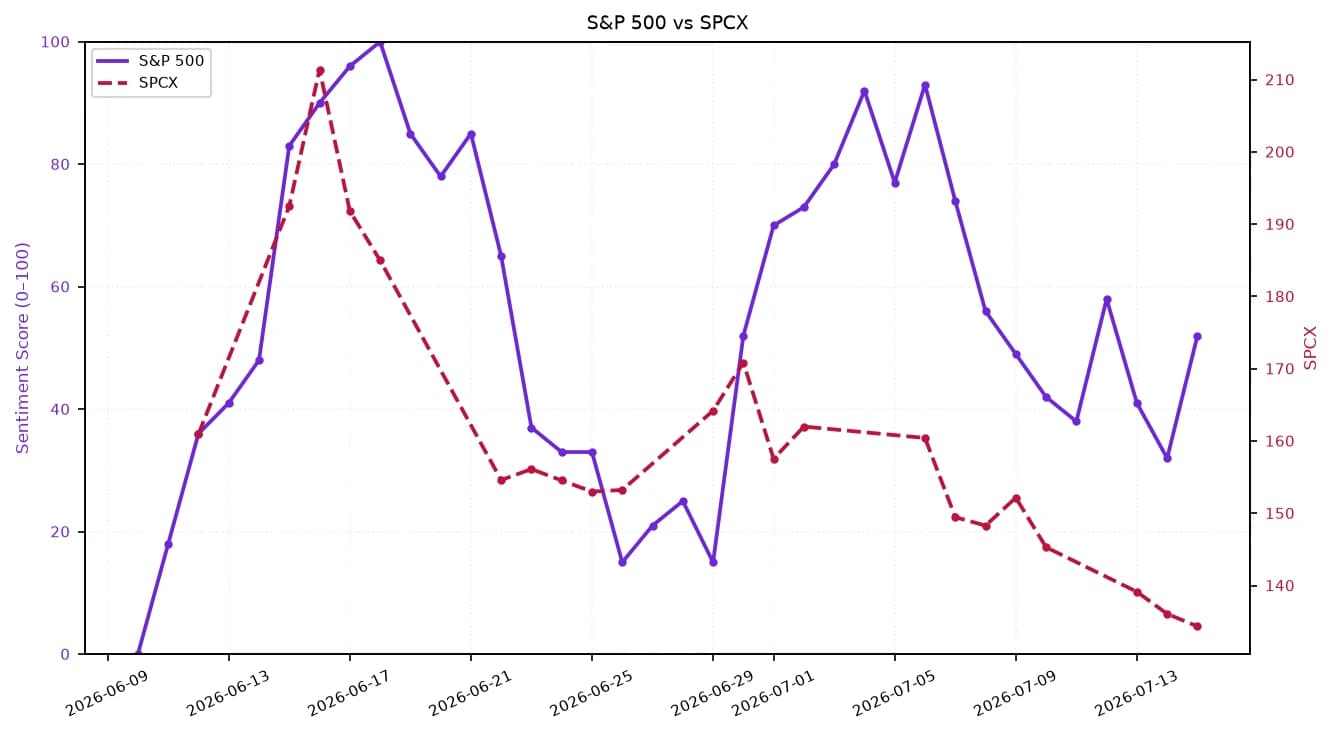
Sentiment IndicatorsⓘProprietary · adalytica.com · September 23, 2026
This is a snapshot — live sentiment, awareness and momentum for 130+ markets update continuously in the dashboard.Open AlphaPulse
For investors, the headline is less about the absolute dollar value than the direction of travel. A sustained opening of China’s grain market to Russia would support Russian farm exporters, shipping flows and related logistics, while adding another layer of competition for established wheat suppliers including Canada, Australia, the US and Argentina, which still outrank Russia in China’s import mix. The data also suggests that Beijing is willing to broaden sourcing where it sees strategic or pricing advantage, a pattern that can ripple through wheat futures and agribusiness valuations.
China’s purchases were concentrated earlier in the year, with August imports of $4.6 million after $4.3 million in July, and no Russian wheat bought in August 2025. That suggests the trade is still irregular rather than a fully established flow, but it also shows momentum. Russia remained China’s fifth-largest wheat supplier over the eight-month period, underscoring that the relationship is growing from a low base rather than displacing entrenched exporters overnight.
The broader narrative is one of agricultural trade becoming more geopolitical. China’s imports from Russia are rising even as Chinese exports of cars to Russia have also doubled, highlighting a deeper bilateral commercial pivot. In parallel, wheat prices and grain-related exchange-traded products have been reacting to changing supply expectations, with the United States wheat ETF showing elevated volatility and recent price swings consistent with a market still searching for direction.
For Russia, the key question is whether China’s buying turns episodic and opportunistic into structural. For the global wheat market, that would mean another buyer stepping further into a market already shaped by Black Sea risk, import diversification and uneven harvest conditions. Investors will be watching whether the recent pickup extends into the next marketing year and whether other Asian buyers follow China’s lead.
| Entity | Gains | Losses |
|---|---|---|
| Russia | ▲Higher wheat exports | ▼Dependence on uneven new demand |
| China | ▲More diversified supply | ▼Greater exposure to import shifts |
| Canadian, Australian, US and Argentine exporters | ▲Existing market share | ▼More competition in China |
| Wheat bulls | ▲Stronger trade demand | ▼Less slack in global supply |