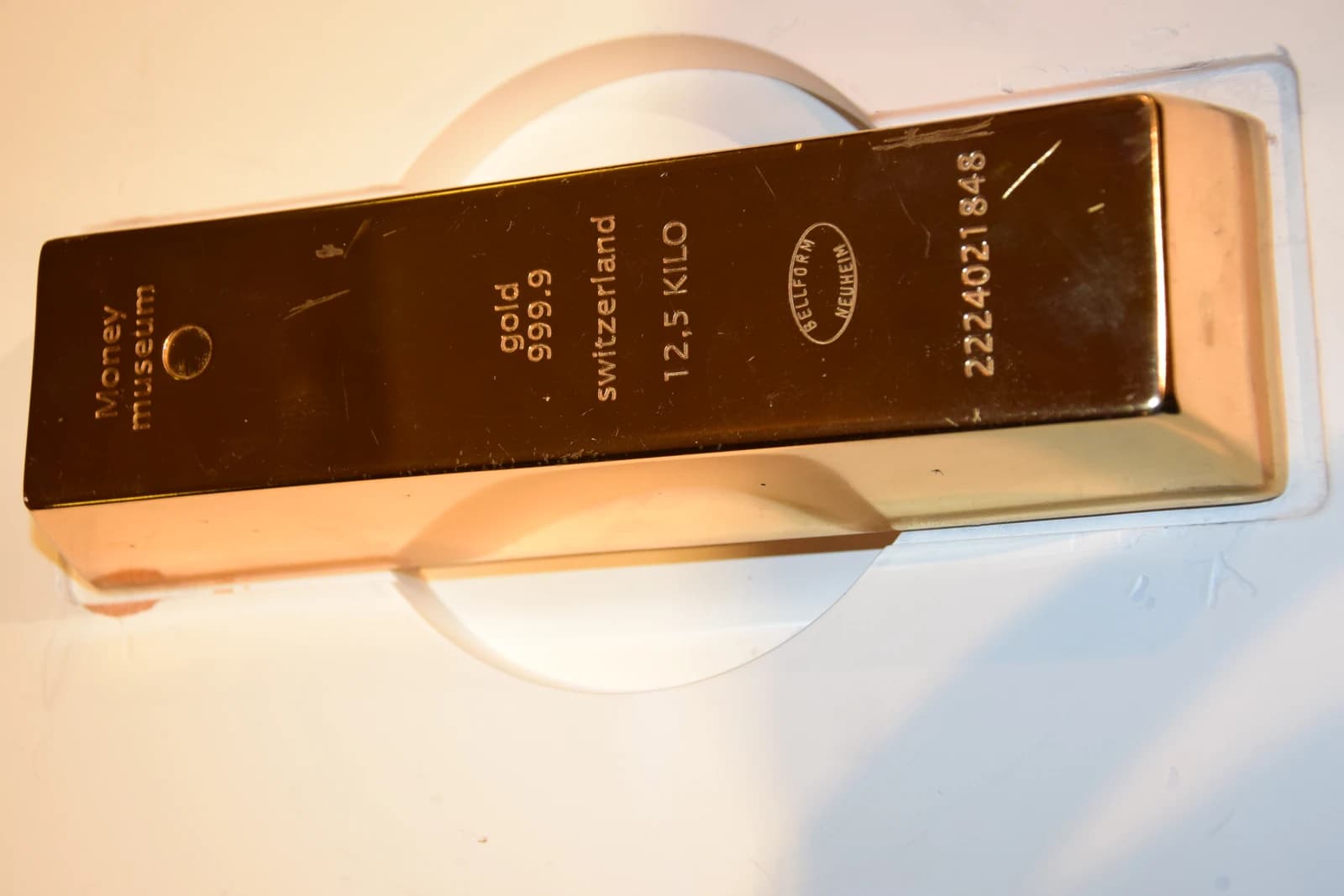
China is still adding gold to its reserves at a pace that matters far more for long-term financial strategy than for month-to-month bullion trading. The People’s Bank of China bought 23 tons in September, its biggest monthly purchase since October 2023, extending a buying streak that has now run for 23 straight months.
China PBoC Buys 23 Tons of Gold in September
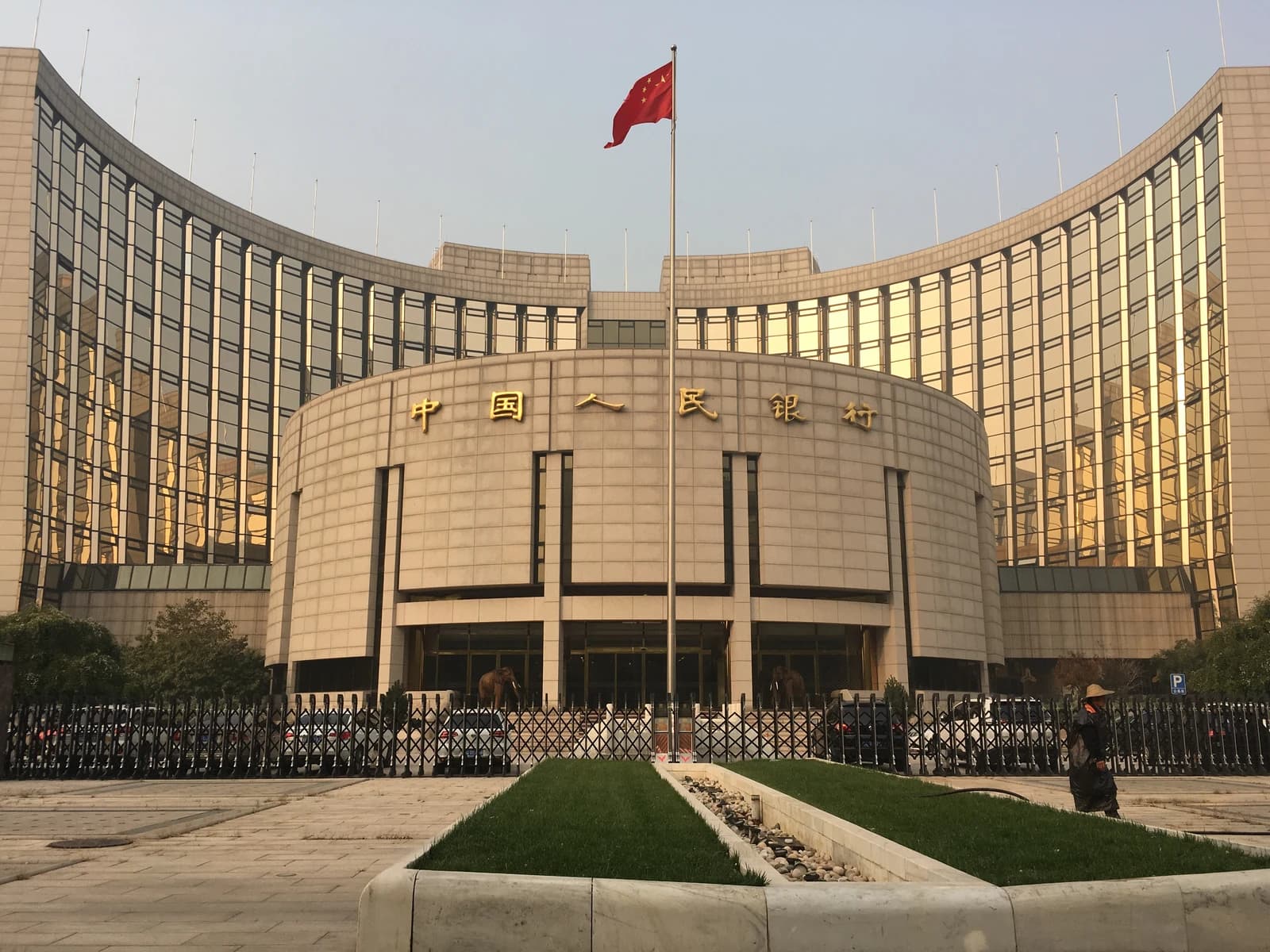
That is important because Beijing is not simply chasing a higher gold price. It is steadily reducing its dependence on dollar assets and other foreign reserves that could be harder to access in a geopolitical confrontation. China’s official gold holdings rose to about 2,410 tons by the end of September, or 8.5% of total reserves, up from 5.5% at the end of 2024, according to the World Gold Council.
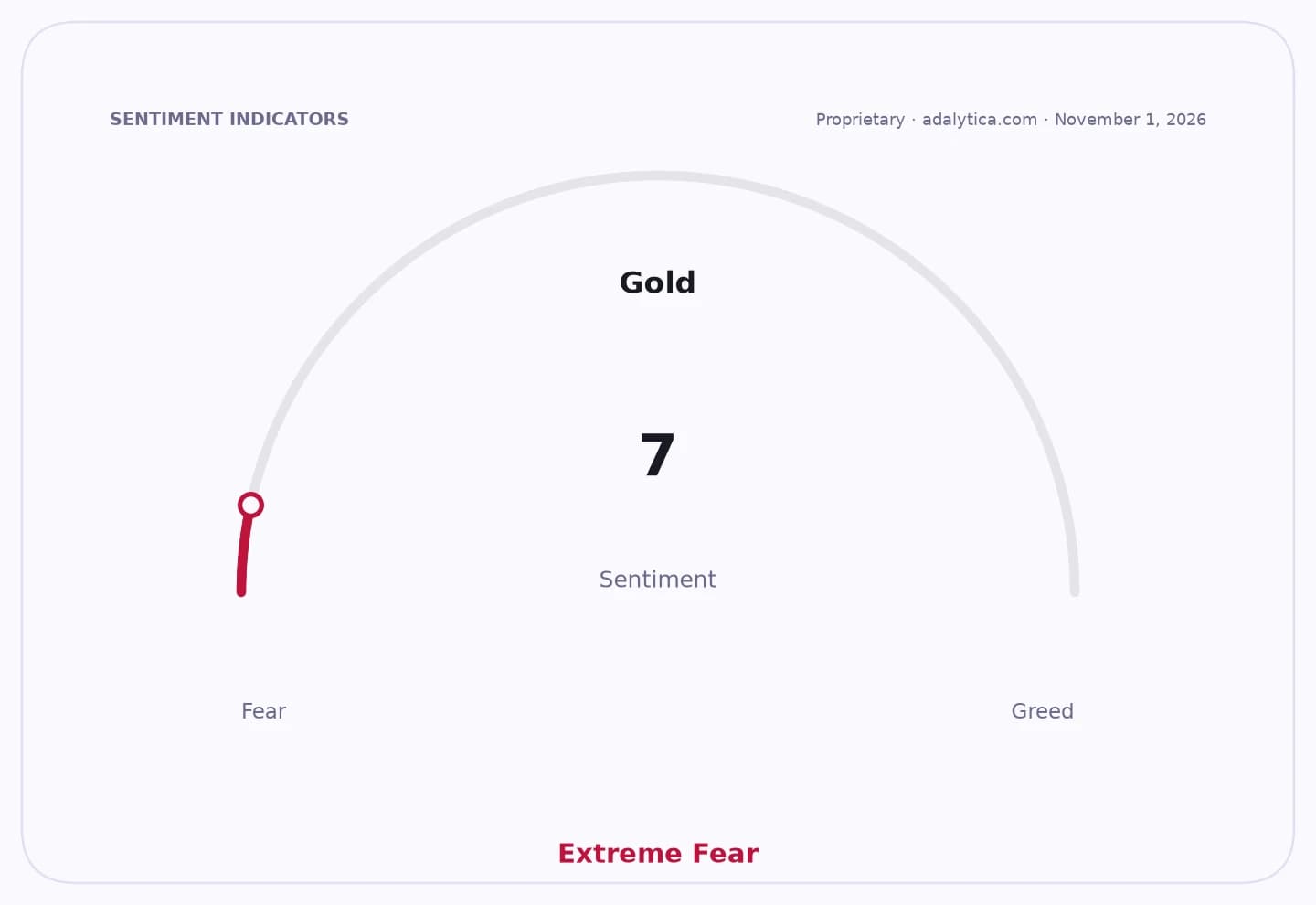
Sentiment Indicators
The logic is straightforward. Gold held at home is not a claim on a foreign government, which makes it less vulnerable to sanctions, freezes or financial pressure. The 2022 immobilization of roughly $300 billion in Russian central-bank assets after Moscow’s invasion of Ukraine showed emerging-market policymakers exactly why reserve diversification can no longer be treated as a theoretical exercise.
For investors, the message is twofold. First, China’s reserve managers are thinking in decades, not weeks, and that supports the broader case for gold as a portfolio hedge against currency and geopolitical stress. Second, the move does not mean the dollar is about to lose its central role. Beijing still needs liquid foreign assets to support trade and market stability, which means this is a gradual rebalancing rather than a break with the greenback.
The buying also comes as Chinese households are doing some of the same thing for different reasons. With a troubled property market and a stock market that has not consistently inspired confidence, retail investors are turning to bullion and gold funds to protect savings. Purchases of gold bars and coins in the first half of 2026 jumped 28.4%, while Chinese gold ETFs holdings hit a record 304 tons in September.
Even so, gold has not moved in a straight line. Spot prices fell about 8.5% in September as a stronger dollar and higher US Treasury yields undercut bullion’s appeal, since gold pays no interest. On the futures market, prices have remained choppy, while technical readings such as the 50-day moving average and RSI have pointed to a market that is still digesting sharp swings rather than entering a clean trend.
That is why China’s purchases matter to investors beyond the headline. They reinforce the secular case for gold as a strategic reserve asset, but they also show that central-bank demand does not eliminate volatility. If anything, it underscores the trade-off at the heart of today’s market: higher rates can pressure bullion in the near term, while geopolitical fragmentation keeps support under it over the long run.
For long-term investors, the takeaway is simple. China is telling the world it wants more insurance and less dependence on the dollar system, and that is a trend worth watching in gold miners, bullion ETFs and reserve-sensitive currencies. The best approach remains patience and diversification, not market timing.
| Entity | Gains | Losses |
|---|---|---|
| China / PBoC | ▲reserve safety | ▼dollar dependence |
| Gold bullion | ▲strategic demand | ▼interest-bearing assets |
| US Treasuries / dollar assets | ▲none | ▼potential marginal demand |
| Gold investors | ▲long-term hedge | ▼near-term volatility |