China is urging global powers to tighten oversight of artificial intelligence, satellites and drones at sea, a push that matters because maritime technology is becoming as strategically important as the ships and chokepoints it protects. For investors, the message is clear: the next phase of shipping security will be shaped not just by fuel costs and freight rates, but by who controls the software, sensors and data that keep trade moving.
China Urges UN Oversight of Maritime AI
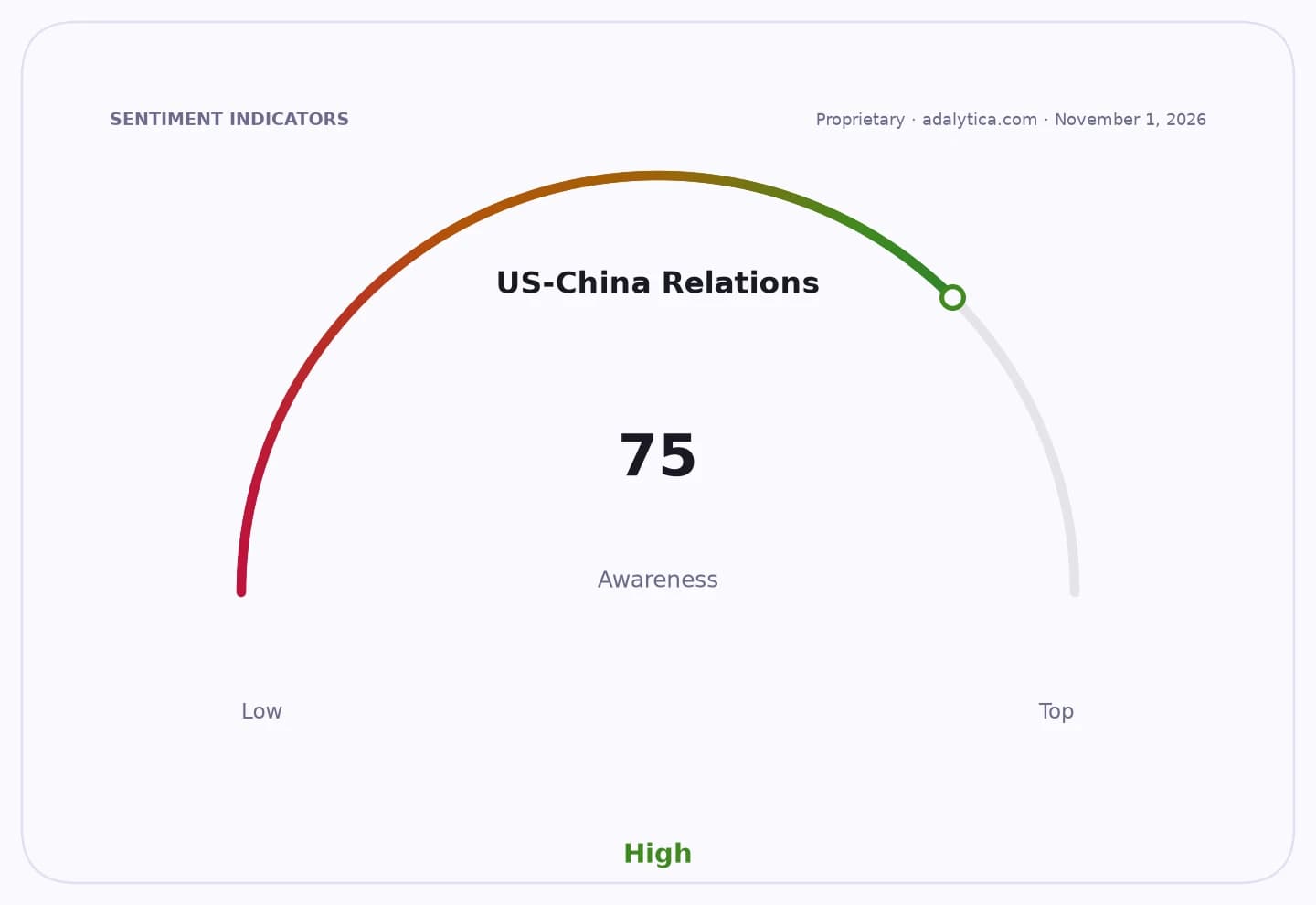
US-China Relations
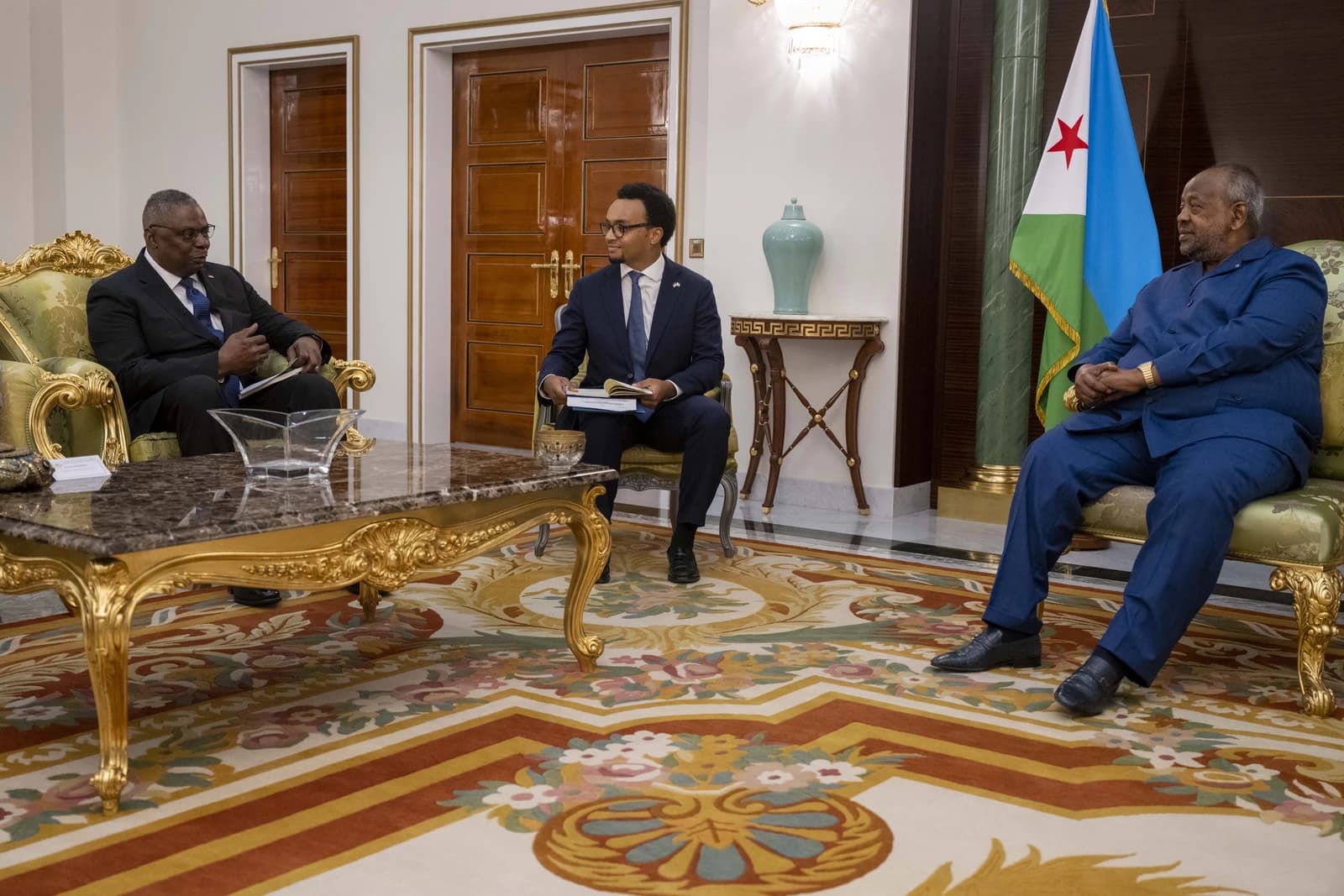
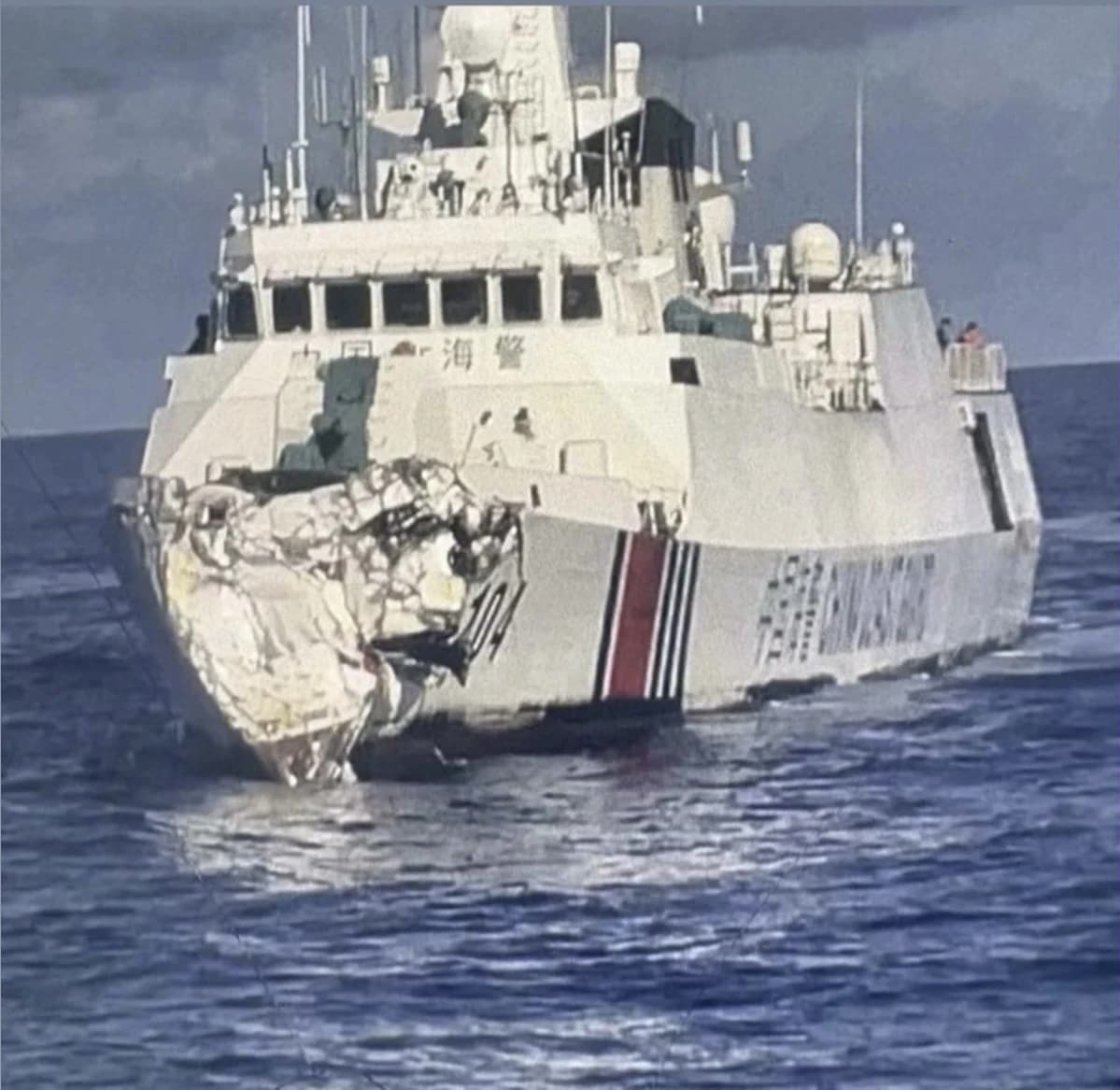
At the United Nations, China’s envoy Fu Cong called for stronger international cooperation on maritime security and for effective mechanisms to control the use of new technologies in the ocean economy. His warning lands at a moment when maritime routes are under strain from regional conflict, sabotage and labor disruption, with recent port stoppages blocking billions of dollars in cargo and attacks in the Strait of Hormuz and Black Sea underscoring how fragile global shipping lanes have become.
Sentiment Indicators
That matters economically because the world’s supply chains now depend on faster surveillance, early-warning systems and autonomous platforms to spot threats, reroute traffic and respond to disasters. AI-powered monitoring can improve search-and-rescue operations and crime prevention at sea, but it also raises the stakes around cyberattacks, data leaks and the loss of control over autonomous systems. In other words, technology is no longer just an efficiency tool for shipping and offshore operations; it is part of the infrastructure of trade.
For investors, the implications stretch across the maritime value chain. Shipping companies, port operators, defense contractors, satellite providers and cybersecurity firms all stand to benefit if governments spend more on monitoring and resilience. At the same time, stricter rules on autonomous systems and cross-border data flows could increase compliance costs and slow the rollout of some technologies. That tension is especially relevant for carriers and tanker owners, whose earnings can be highly sensitive to route disruptions and geopolitical shocks.
The broader narrative is that China wants to frame maritime tech as a global governance issue rather than a weapons race or a contest between rival technological blocs. Fu also argued that developing countries should get greater access to advanced tools and financing, a reminder that the fight over maritime security is also a fight over who gets to build and use the systems that secure commerce. With the UN being pressed to play a larger role, investors should expect more debate over rules, standards and digital sovereignty in shipping.
For long-term investors, that makes maritime technology a theme worth watching, not a one-day headline. The durable opportunity is in companies that help make global trade safer, smarter and more resilient, while the main risk is a more fragmented, more regulated operating environment. As always, the winners are likely to be the firms that can innovate without losing control of risk.
| Entity | Gains | Losses |
|---|---|---|
| Maritime cybersecurity firms | ▲Higher demand | ▼More scrutiny |
| Satellite and sensor providers | ▲New security spending | ▼Compliance costs |
| Shipping lines and ports | ▲Better route resilience | ▼Higher regulation |
| Autonomous tech developers | ▲Broader adoption | ▼Slower deployment |