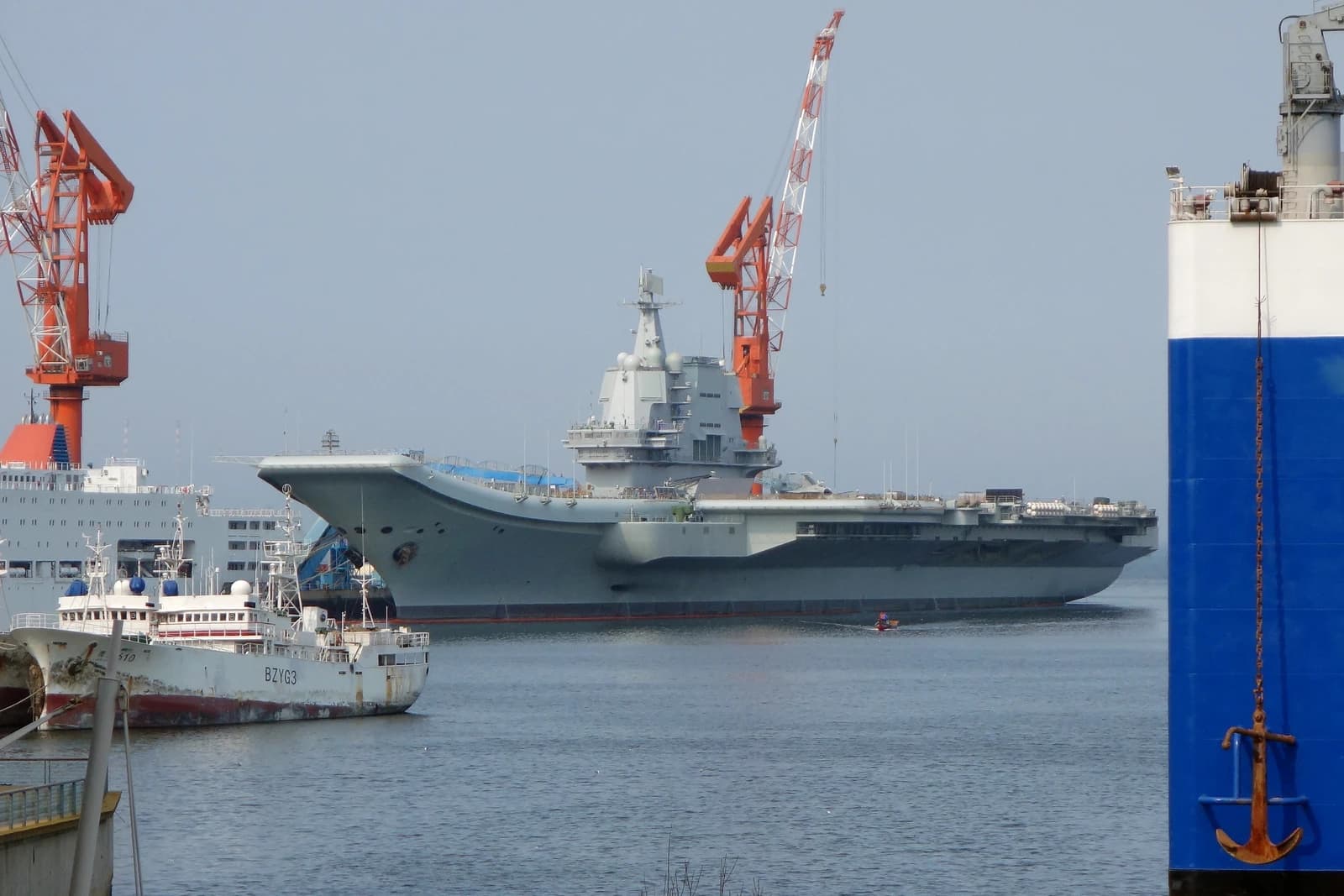
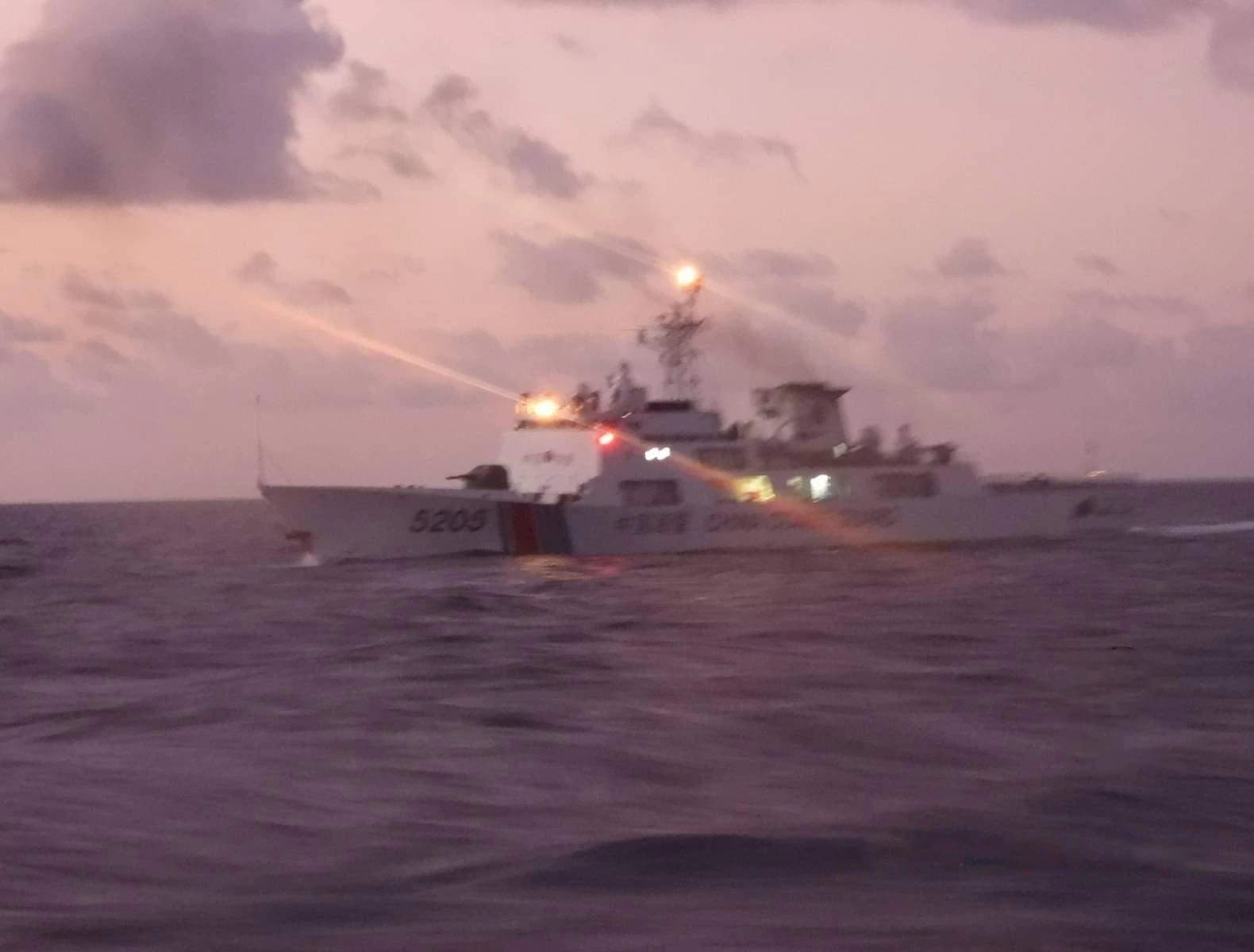
Taiwan is warning that China is steadily tightening control over the island’s surrounding waters, a campaign that raises the risk of a miscalculation in one of the world’s busiest shipping lanes and adds another layer of pressure on Taipei’s already stretched security apparatus.
Taiwan Warns on China’s Maritime Pressure
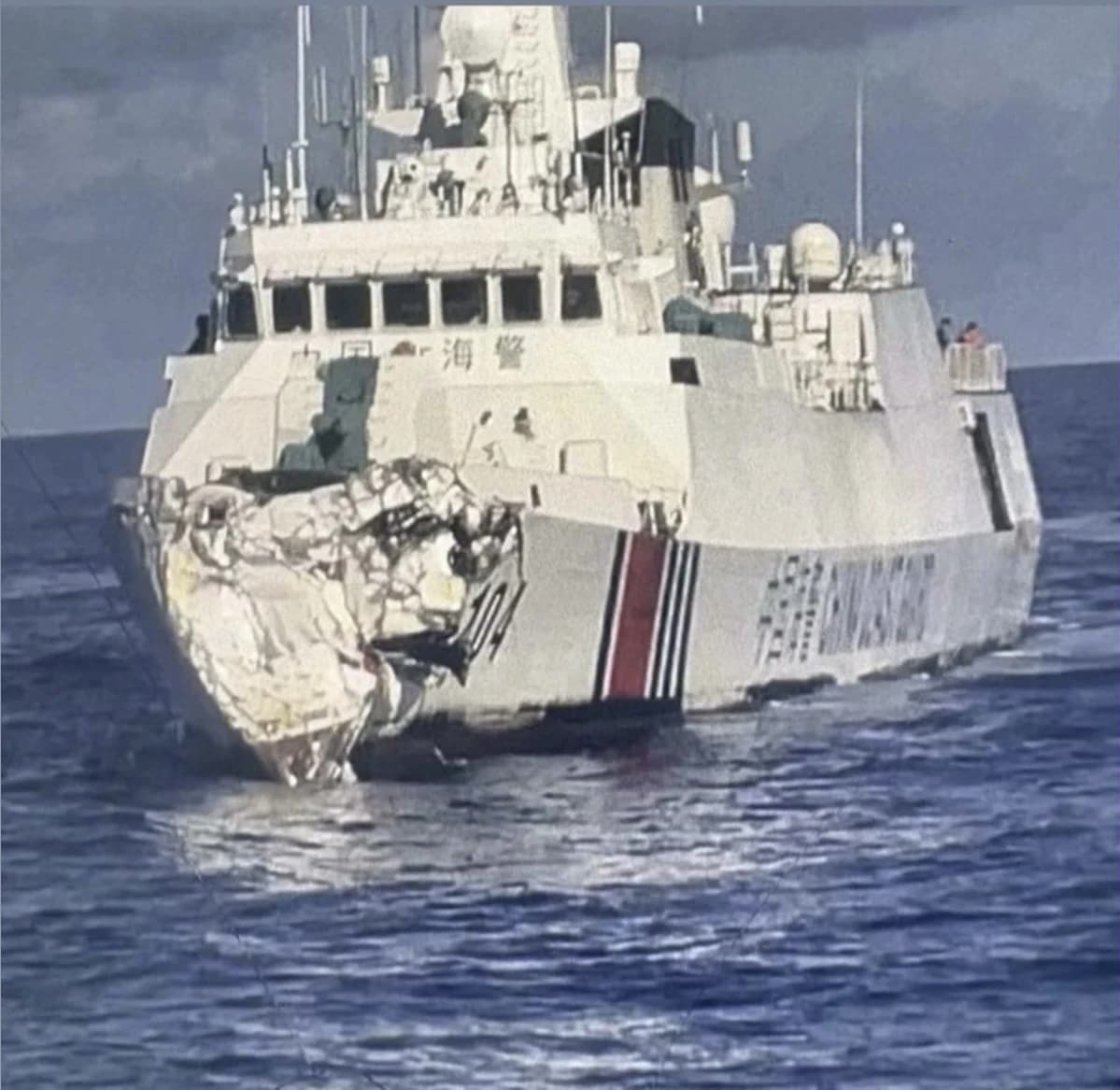
Ocean Affairs Council minister Kuan Bi-ling said Taiwan must “master its own information” and carry out its own ocean surveys as Beijing uses coast guard and research vessels to assert sovereignty claims without crossing into open conflict. She said the island’s resources, energy supplies and transport links depend on the sea, making maritime surveillance central not just to national security but to global supply chains.
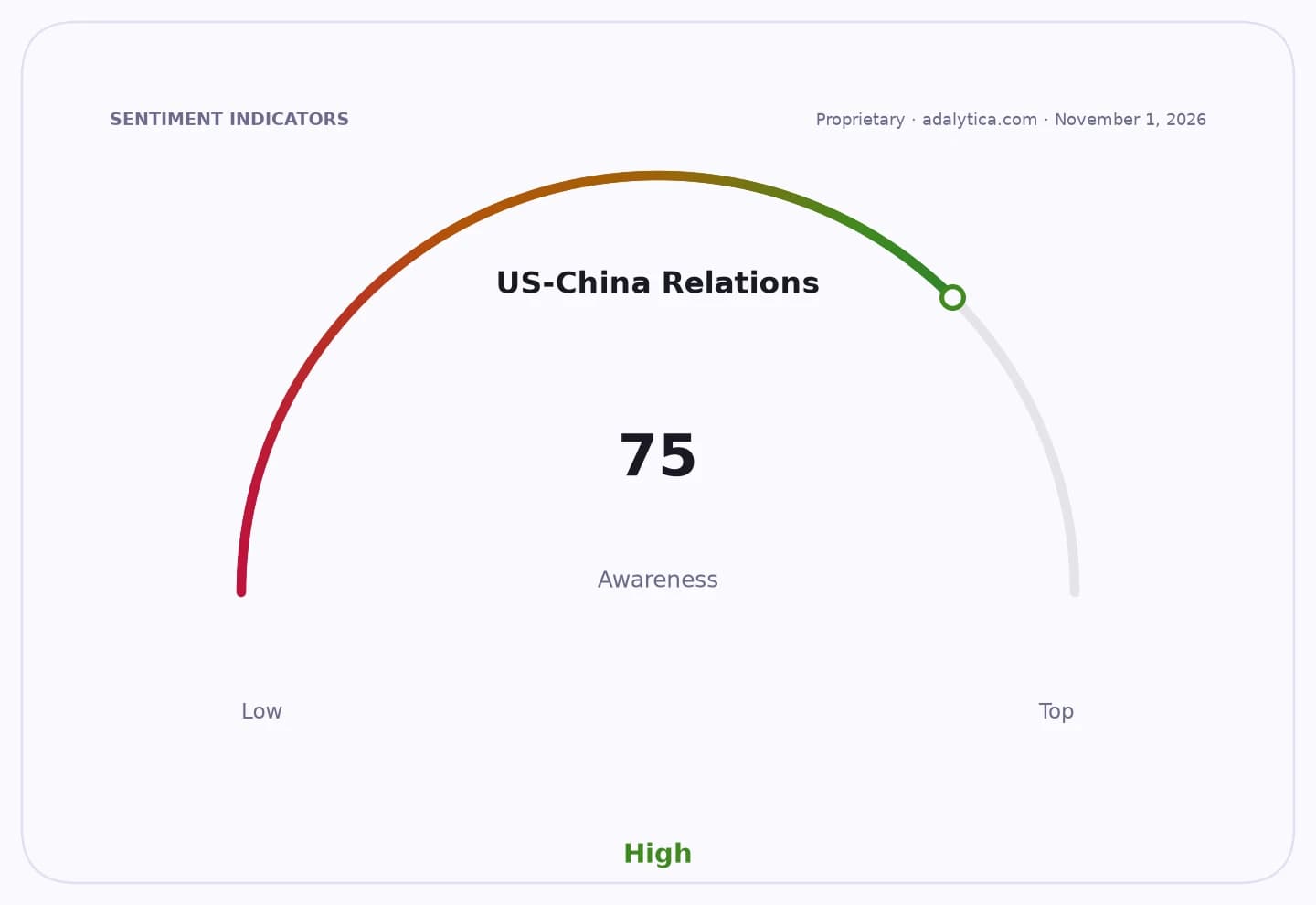
Sentiment Indicators
US-China Relations
The message underscores how the contest for Taiwan is shifting beyond airspace and military drills into a slower, lower-profile struggle over maritime control, information and jurisdiction. That kind of “grey-zone” pressure is designed to wear down Taiwan’s coast guard and navy while complicating any response from Taipei or its allies.
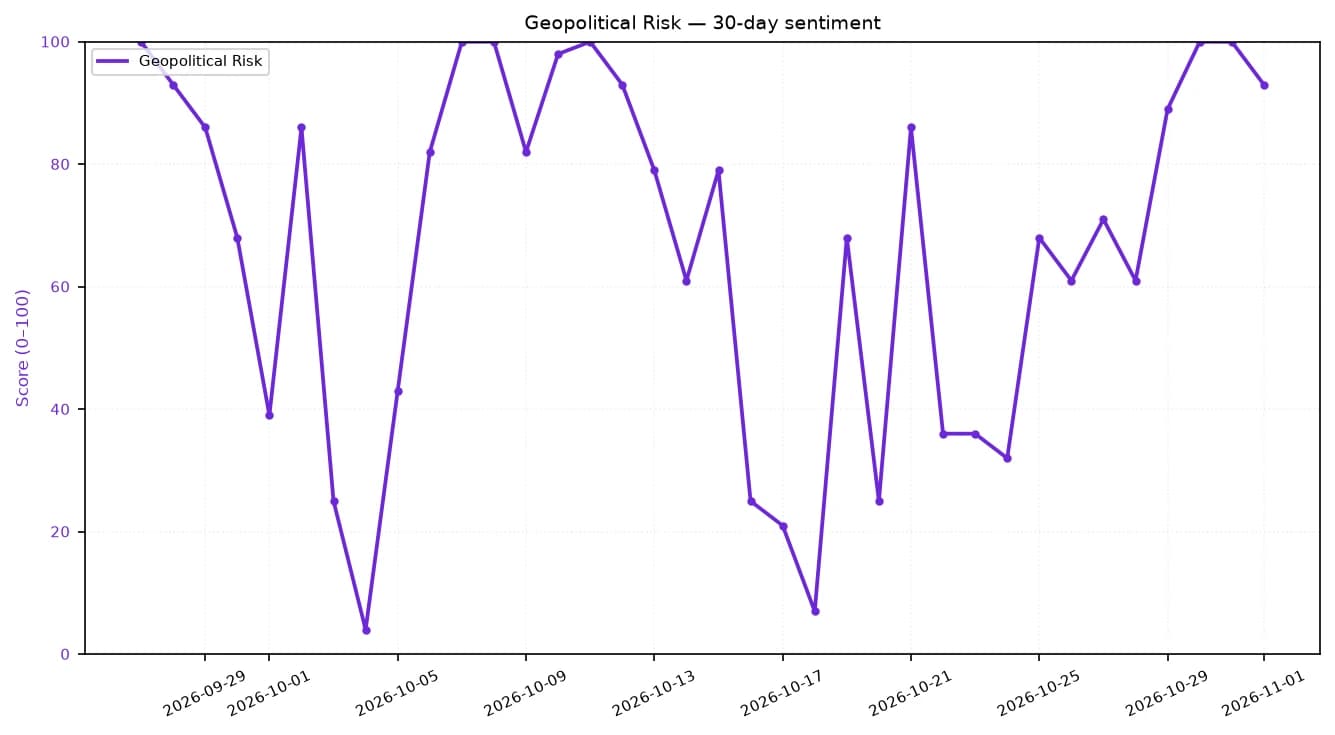
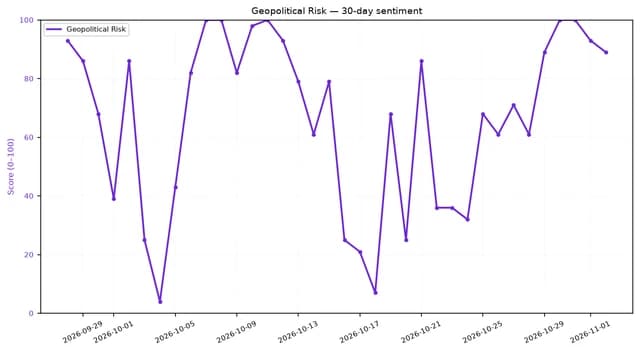
For investors, the immediate market impact is indirect but real. A more contested Taiwan Strait raises the premium on shipping security, regional defense spending and supply-chain resilience, particularly for semiconductors, electronics and energy imports that transit near the island. It also keeps geopolitical risk elevated across Asia, where any escalation could ripple through freight, insurance and broader risk sentiment.
The remarks come as Taiwan seeks more equipment and better intelligence to detect threats earlier and respond faster. That points to continued demand for surveillance systems, drones and coast-guard assets, while keeping attention on how far Beijing is willing to push its maritime campaign short of triggering a crisis.
| Entity | Gains | Losses |
|---|---|---|
| China | ▲Expands de facto pressure | ▼Higher diplomatic backlash |
| Taiwan Coast Guard | ▲More urgency for upgrades | ▼Greater operational strain |
| Global shippers | ▲Short-term vigilance demand | ▼Higher route and insurance risk |
| Defense suppliers | ▲Potential procurement demand | ▼If tensions de-escalate |