China and Djibouti have sharpened the diplomatic cost of Israel’s recognition of Somaliland, warning that any effort to treat the breakaway region as a separate state cuts against Somalia’s sovereignty and could deepen friction in the Horn of Africa.
China, Djibouti back Somalia over Somaliland recognition
Geopolitical Risk
That matters because Somaliland is no longer just a local separatist issue. It is becoming a proxy fight over maritime access, regional alignments and the power of outside players to redraw political realities along one of the world’s most sensitive trade corridors. The joint statement from Beijing and Djibouti gives Somalia’s federal government added backing at a moment when recognition politics can spill into port access, security cooperation and investment decisions across the Red Sea and Gulf of Aden.
Sentiment Indicators
Geopolitical Risk
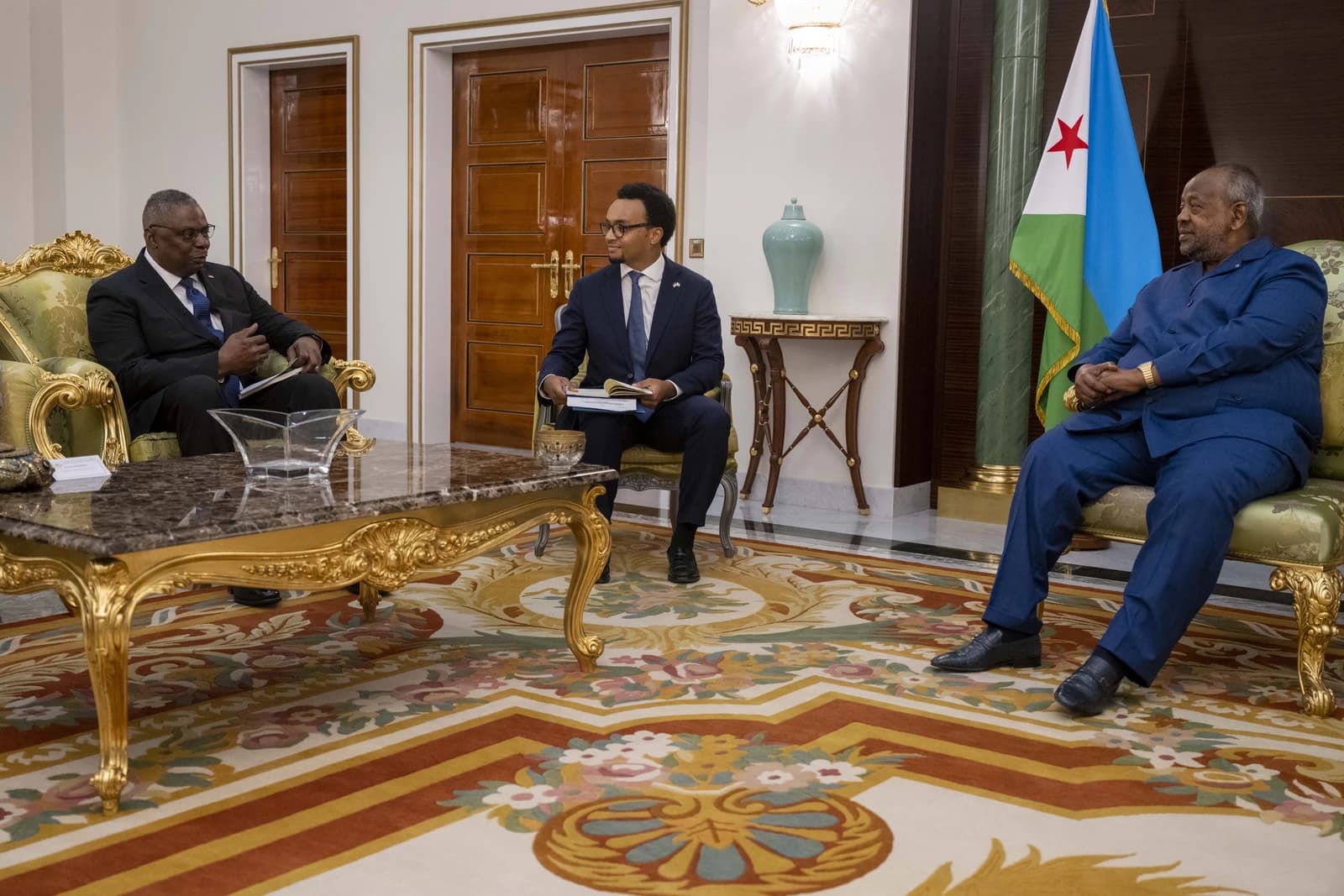
The statement followed talks in Beijing between Chinese Foreign Minister Wang Yi and Djibouti’s Foreign Minister Abdoulkader Houssein Omar. Both governments said they support Somalia’s “national sovereignty and territorial integrity” and oppose “any attempt” to win diplomatic recognition for Somaliland. They also rejected the idea of treating Somaliland as an independent state, calling it an inseparable part of Somalia.
For investors, the key issue is not just symbolism. Recognition disputes can alter the operating environment for infrastructure, logistics, energy and security assets across the Horn of Africa. Djibouti sits on a critical chokepoint for global shipping, and Beijing has long treated the region as strategically important. A firmer diplomatic line from China increases the odds that major external players will continue to avoid moves that might validate Somaliland’s independence, limiting the breakaway region’s ability to convert de facto self-rule into bankable international legitimacy.
Israel’s recognition of Somaliland last December remains the most consequential external move in the dispute and continues to reverberate diplomatically. Somalia has condemned that step, arguing that deals made with Somaliland authorities outside the federal government undermine the country’s territorial claims. The latest statement from China and Djibouti suggests that those objections are gaining more institutional weight, not less.
The market implication is straightforward: the Horn of Africa remains a place where geopolitics can move faster than institutions. That keeps a premium on countries and companies with established relationships, secure access arrangements and the political cover to operate without becoming collateral damage in a sovereignty fight. It also argues for caution on any thesis that assumes Somaliland can quickly translate political autonomy into broad international acceptance.
The next catalyst will be whether more regional powers follow Beijing and Djibouti in hardening their positions, or whether Israel’s recognition remains an isolated exception. Either way, the message is clear: Somaliland’s recognition push is meeting a coordinated diplomatic wall, and that reduces the odds of a near-term breakthrough.
| Entity | Gains | Losses |
|---|---|---|
| Somalia | ▲Sovereignty backing | ▼None |
| China | ▲Regional influence | ▼Recognition flexibility |
| Djibouti | ▲Strategic alignment | ▼Diplomatic neutrality |
| Somaliland | ▲Limited support | ▼Recognition momentum |