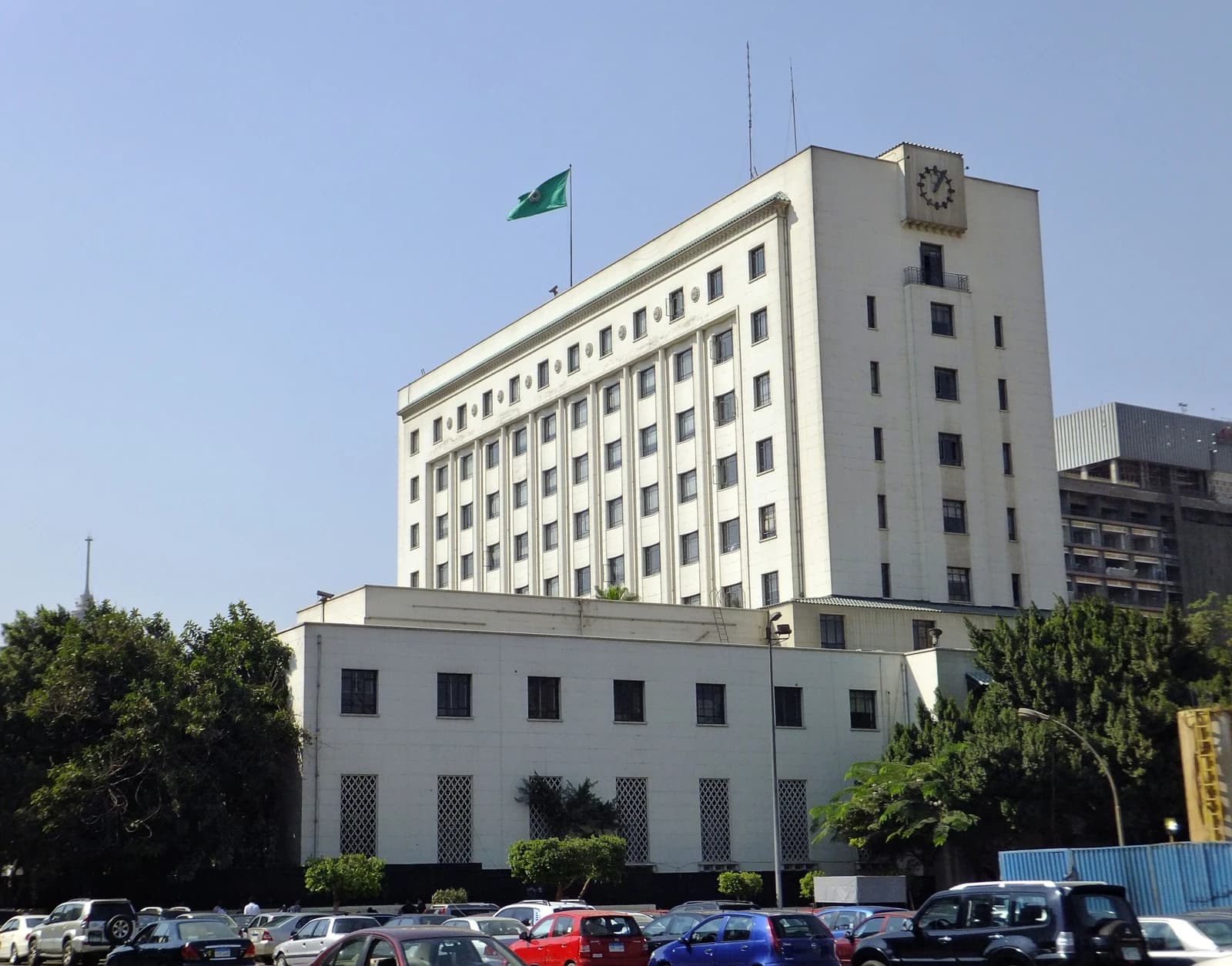
Africa’s ability to present a common front on security is being strained by overlapping crises, from Horn of Africa tensions to the competing political blocs that now define parts of the continent.
Africa security unity strained by regional blocs
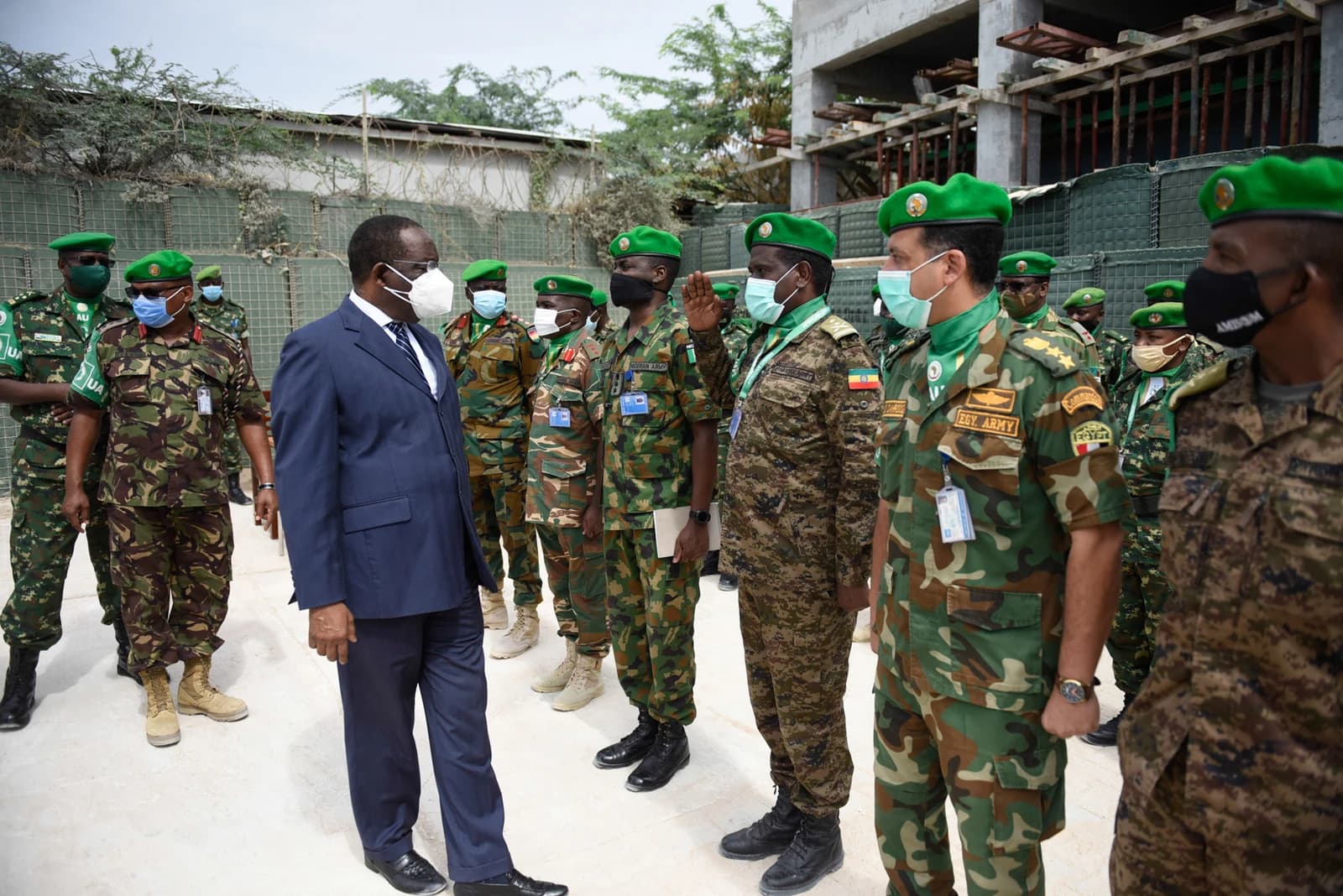
That challenge is why the latest comments from two journalists covering the Russia-Africa summit matter beyond the podcast they appeared on. Their debate over whether Africa can “speak with one voice” goes to the heart of a larger geopolitical question: whether the continent’s regional groupings can translate shared interests into coordinated action at a time when external powers are deepening their courtship of African states.
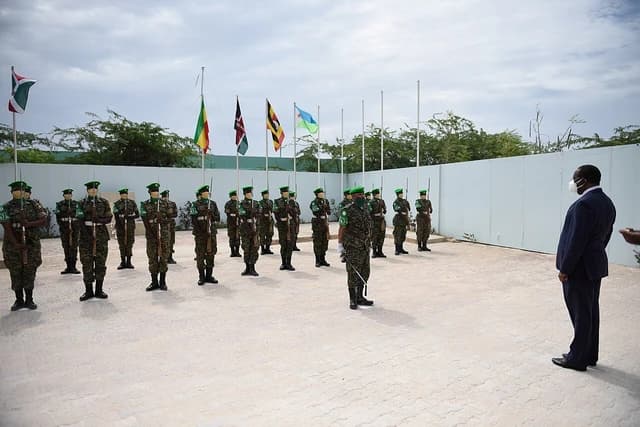
Boubacar Bable Touré, a journalist at Mali’s state broadcaster ORTM, said the Alliance of Sahel States — Mali, Burkina Faso and Niger — are “speaking the same language,” presenting the bloc as proof that African unity can still be built around common security concerns. Bernard Delaitre, from Mauritius, pointed instead to practical cooperation between his country and other African states, underscoring that Africa’s response to insecurity is not only ideological but also transactional and regional.
The contrast matters because security fragmentation carries economic costs. When African states diverge on diplomacy, defense and foreign alignments, it complicates coordination on trade corridors, maritime security, border management and investment risk. That is particularly visible in regions already under pressure, where Sudan has escalated its complaint against Ethiopia to the African Peace and Security Council, reinforcing concerns that disputes in the Horn of Africa could spill further into the wider region.
For investors and policymakers, the issue is not abstract. Persistent instability raises the risk premium on sovereign debt, delays infrastructure projects and weakens the case for long-horizon capital in transport, energy and logistics. It also gives greater leverage to outside powers — including Russia, which used the summit to deepen its diplomatic and security outreach to African governments seeking alternatives to traditional Western partners.
The Sahel bloc’s push for strategic autonomy will be read by supporters as evidence of African agency. Critics will see a continent becoming more politically segmented, with security alliances hardening around local threats rather than continental consensus. That tension is likely to shape how African states negotiate with one another — and with global powers — as fresh disputes from the Sahel to the Horn keep testing the continent’s claim to unity.
| Entity | Gains | Losses |
|---|---|---|
| AES bloc (Mali, Burkina Faso, Niger) | ▲Greater security alignment | ▼Broader continental consensus |
| Mauritius and cooperative states | ▲Practical regional ties | ▼Influence of hard security blocs |
| Regional institutions | ▲Renewed relevance in mediation | ▼Credibility if disputes persist |
| External powers, including Russia | ▲More room for diplomacy | ▼Less unified African negotiating stance |