A deadly skirmish on the Azerbaijan-Iran border has sharpened the risk premium around a corridor that is already carrying geopolitical, energy and security tensions through the South Caucasus.
Azerbaijan-Iran Border Skirmish Raises Corridor Risk
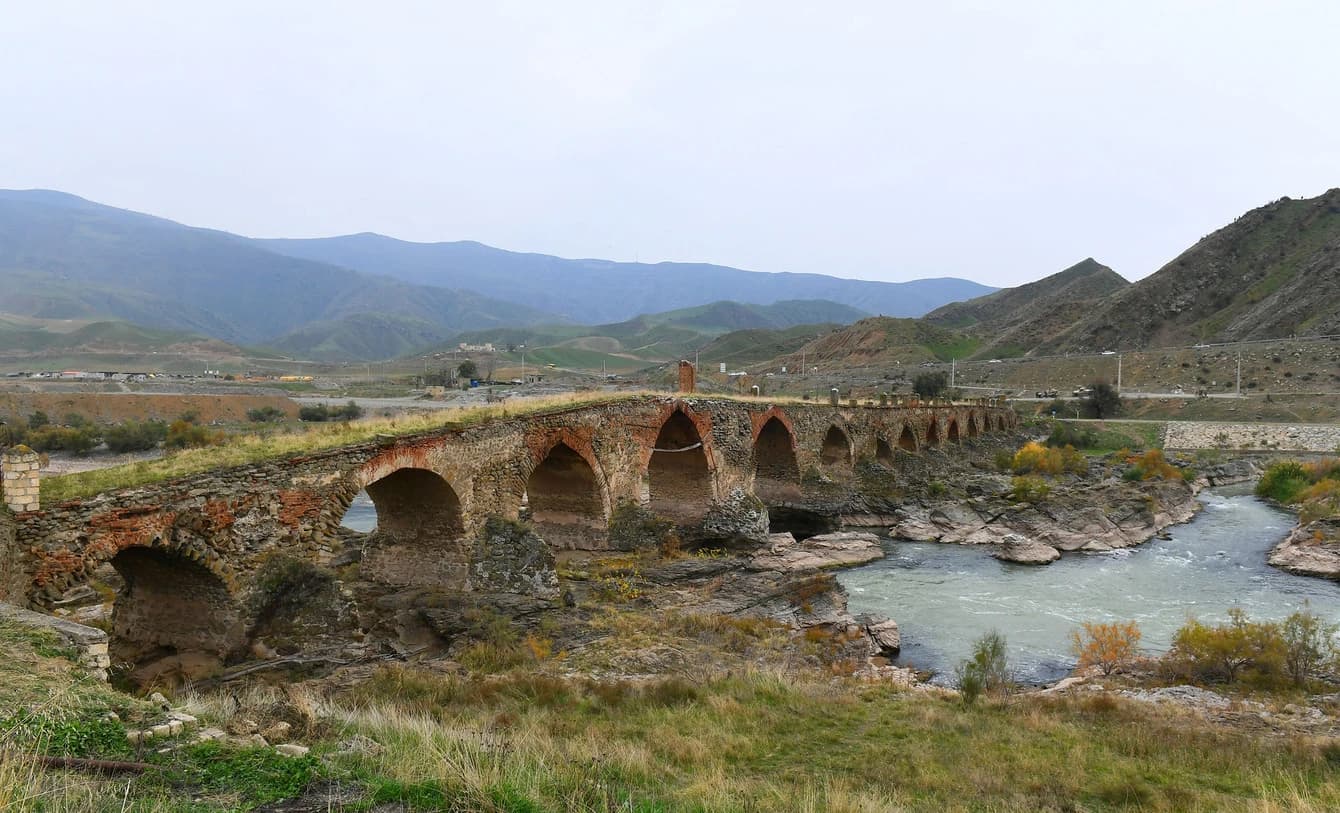
The immediate significance is not the exchange of fire itself but what it says about the fragility of a frontier that links Iranian territory to Azerbaijan’s export routes and broader regional logistics. With one person reported killed, arrests of Afghan nationals crossing into Azerbaijan and a separate drone-linked drug-smuggling attempt from Iran, the border is increasingly looking less like a local policing issue and more like a pressure point where crime, migration and state-to-state friction overlap.
Sentiment Indicators
For investors, that matters because instability along this axis can complicate trade flows, raise insurance and transport costs, and add uncertainty to energy diplomacy. Azerbaijan has been working with Russia and Iran on a gas arrangement that could support regional supply flexibility, but recurring security incidents make any commercial or transit deal harder to price. In markets, even limited violence can widen spreads on perceived geopolitical risk, especially when it touches an export-oriented economy whose fiscal and external accounts remain tied to hydrocarbons and corridor access.
The situation also underscores how border security in the South Caucasus is increasingly bound up with domestic politics inside Iran, where ethnic grievances and language rights remain sensitive. Azerbaijani NGOs have appealed to Tehran to allow education in the Azerbaijani language for ethnic Azerbaijanis in Iran, showing how social and identity issues can feed diplomatic friction. That makes the latest clash more than an isolated incident: it is part of a broader contest over influence, control and legitimacy along a frontier that matters to both governments.
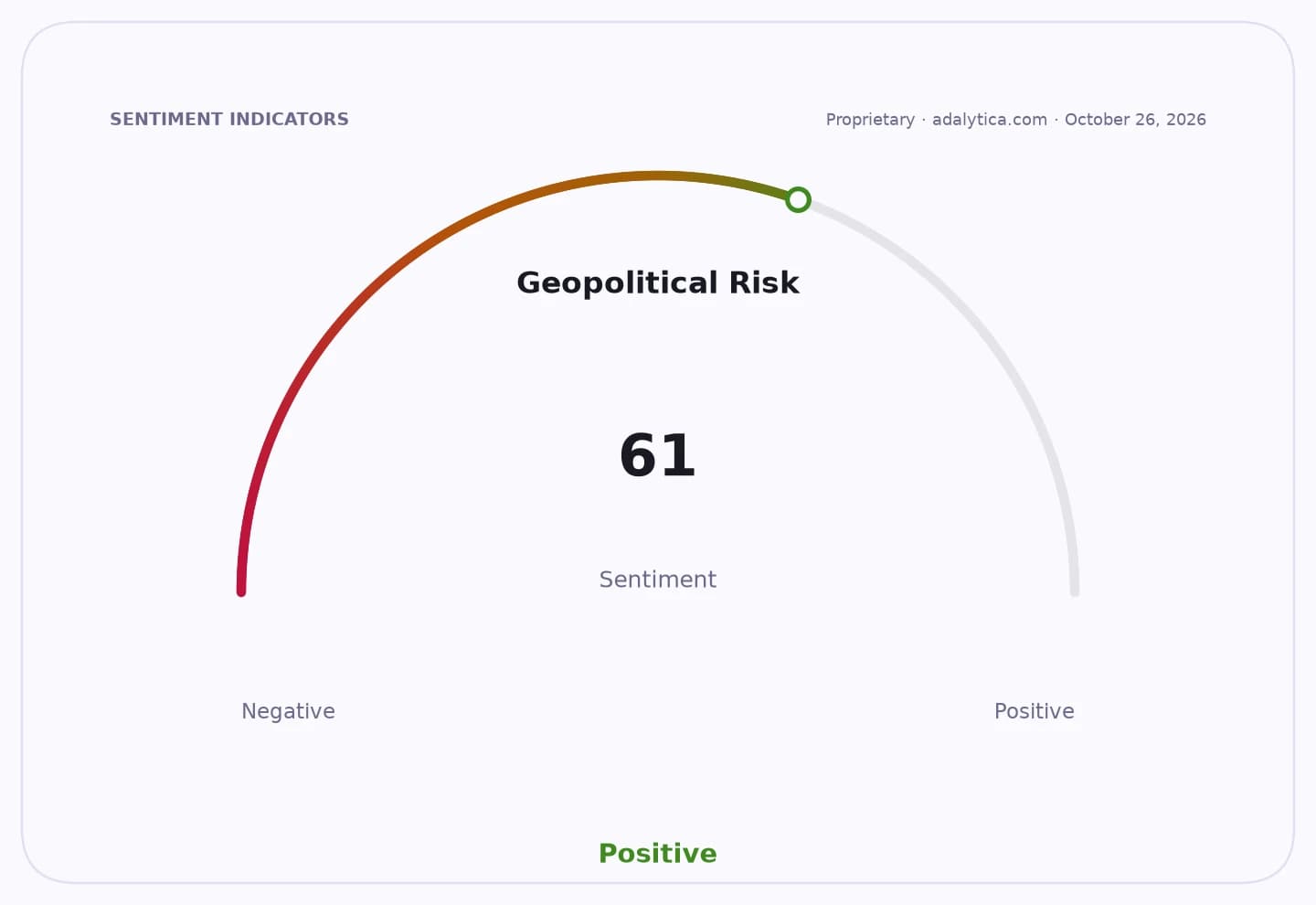
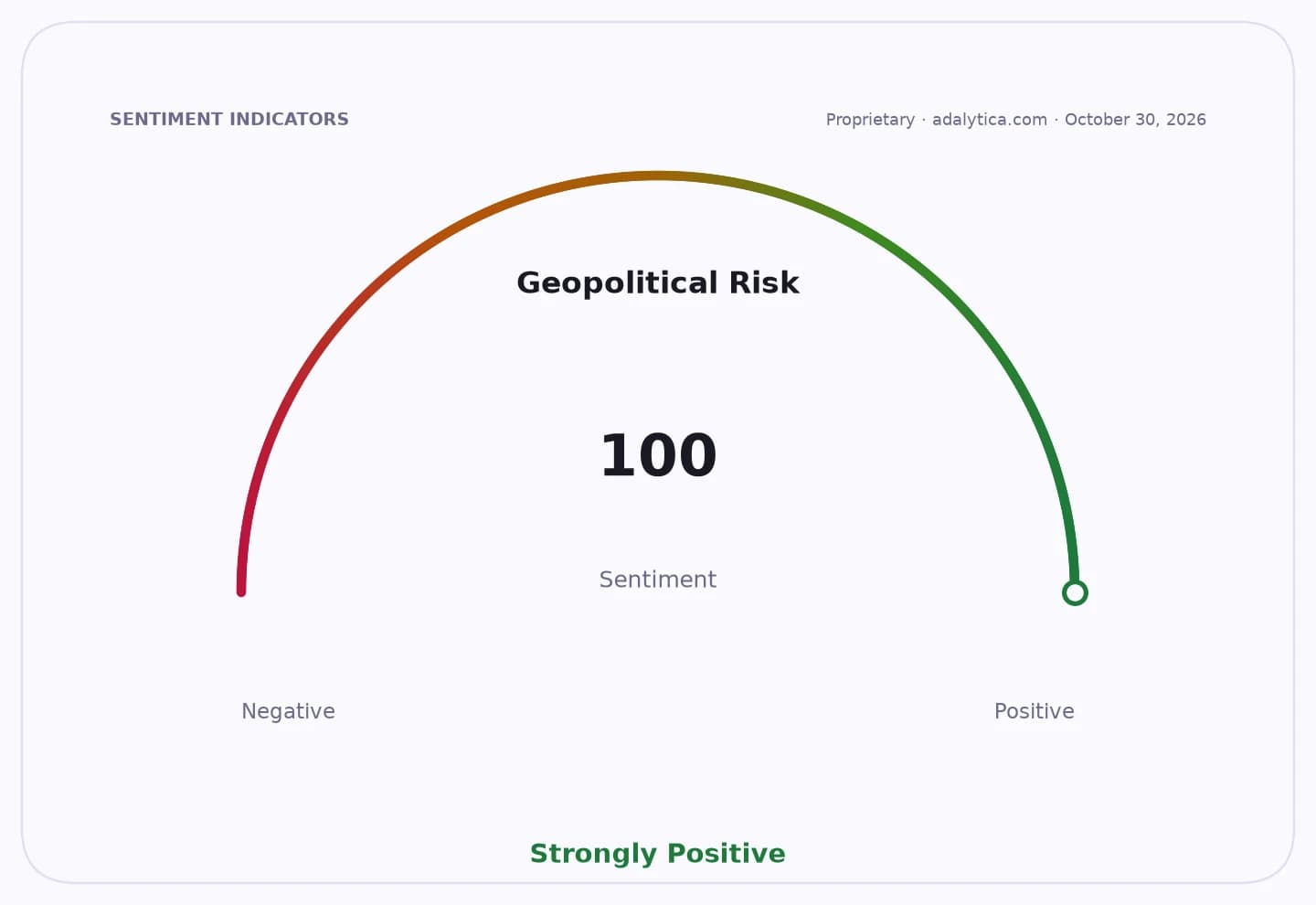
Geopolitical Risk — 30-day sentimentadalytica.com
Explore this data interactively — full history, time series and cross-market comparisons.
Adalytica’s Global Stability Sentiment gauge remains in “Extreme Greed” territory at 89, suggesting markets are still broadly complacent about geopolitical shocks even as the awareness reading stays in “Extreme Fear” at 14. That divergence implies investors may be underpricing tail risk in regions where local incidents can escalate into cross-border disruption.
The near-term question is whether diplomatic engagement can prevent the border violence from spilling into trade and energy talks. A durable gas agreement would help both sides reduce economic friction, but any further skirmishes, arrests or smuggling cases could slow progress and keep the border a source of recurring political risk.
| Entity | Gains | Losses |
|---|---|---|
| Azerbaijan security agencies | ▲More leverage for tighter controls | ▼Higher operational burden |
| Iran | ▲Potential bargaining power in talks | ▼Reputational and border risk |
| Gas negotiators | ▲Incentive for practical cooperation | ▼Risk of delays |
| Regional investors | ▲Chance of eventual stability premium | ▼Near-term geopolitical uncertainty |