In a Caritas grocery store in Geneva, the bargain prices tell a wider economic story: poverty is increasingly defined by access, nutrition and dignity, not just by the size of a pay packet.
Caritas Geneva store shows food affordability strain
The shelves carry the same staples found in any neighborhood grocer — fruit, vegetables, meat, bread, dairy and toiletries — but at sharply reduced prices that make clear how much strain households are under. Rudy Geronimo, who runs Caritas Geneva’s right-to-food service, says some meat lots are sold 66% below the level of most chains because they are frozen on the day they reach their sell-by date and remain safe to eat for longer.
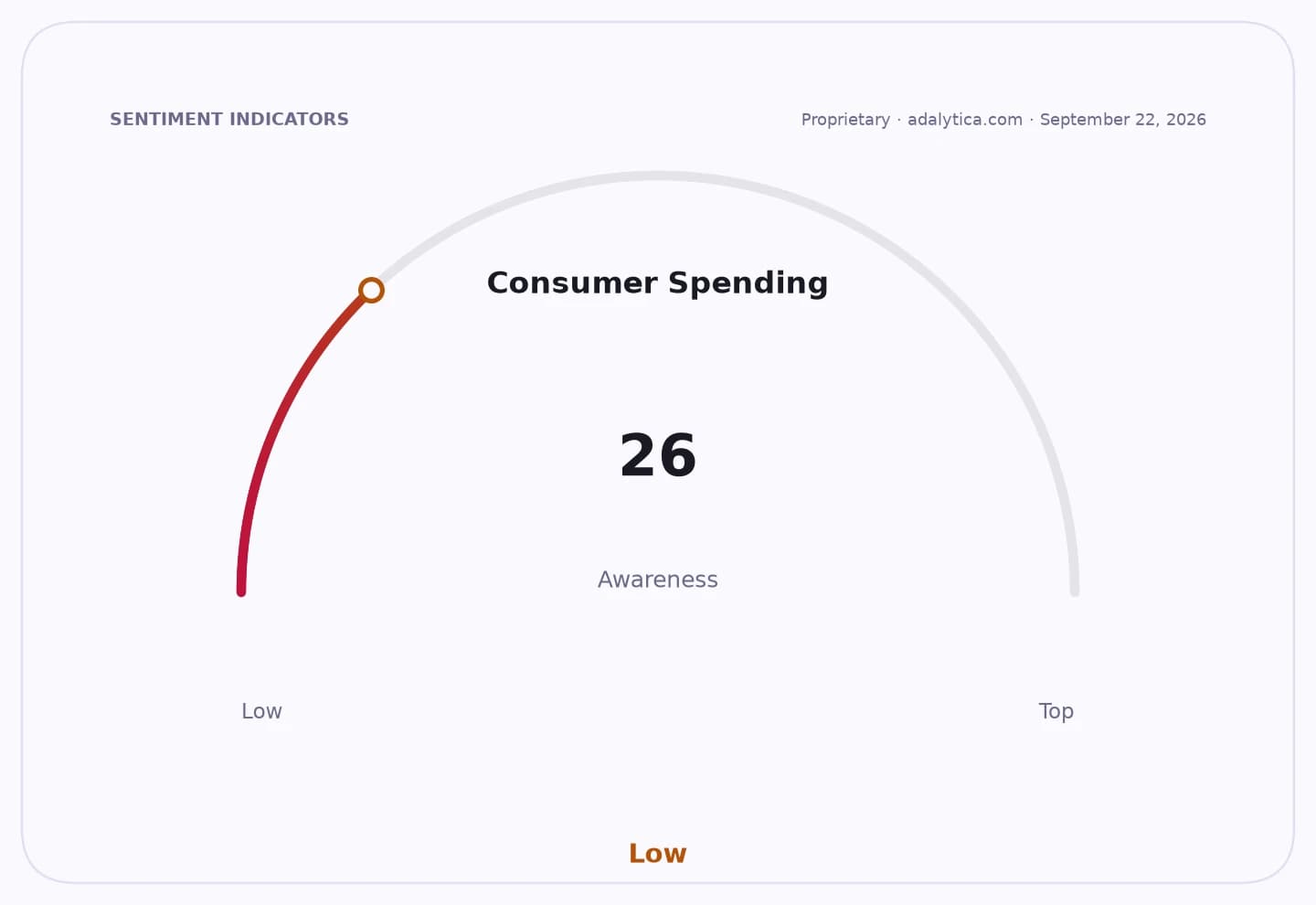
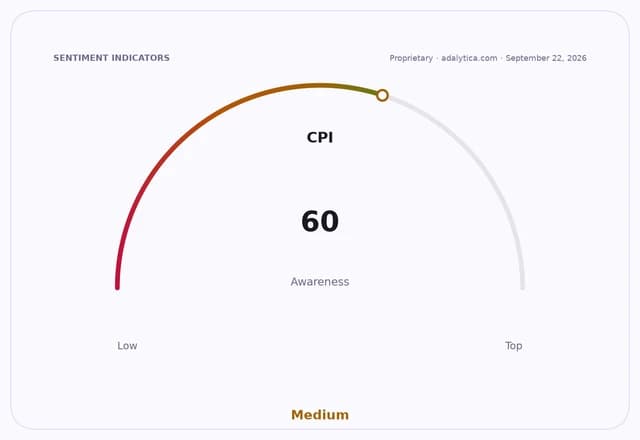
Sentiment IndicatorsⓘProprietary · adalytica.com · September 22, 2026
This is a snapshot — live sentiment, awareness and momentum for 130+ markets update continuously in the dashboard.Open AlphaPulse
That model matters because it shows how food insecurity is moving beyond the poorest households and becoming a structural feature of the cost-of-living squeeze. Even where unemployment is relatively contained and nominal incomes have held up, families are still forced to trade down on quality, brand and nutrition to keep food on the table. The result is a subtler form of poverty: one measured not only by whether people can buy enough calories, but whether they can afford a healthy, stable diet without sacrifice elsewhere.
The broader backdrop is a global food-stress environment that is worsening in many places. News flow from Africa underscores how conflict, fuel costs and budget cuts are pushing millions toward acute shortages, with Nigeria, Sudan and South Sudan all facing severe hunger risks. In richer economies, the mechanism is different but the outcome is similar: rising food prices and persistent living costs are forcing households to cut essentials, particularly for those near the lower end of the income distribution.
That tension is visible in the corporate winners and losers as well. Discounters and value-focused retailers are still drawing traffic as consumers hunt for cheaper baskets, while premium grocers and brands face pressure to justify higher prices. Walmart’s shares have outperformed on the back of its price positioning, while Costco remains a defensive favorite for its ability to attract members seeking value. By contrast, Target has had to lean on markdowns, tariff refunds and efficiency gains to defend traffic and margins, reflecting a consumer who is still spending but becoming more selective.
The implication for policymakers is uncomfortable. If poverty is defined only by unemployment statistics or income thresholds, a growing share of households can still fall through the cracks while remaining technically employed and above formal poverty lines. Food aid, school meal programs and targeted social support become more important when wages do not keep pace with the real cost of eating well. For investors, the message is that the consumer remains bifurcated: value retail may keep taking share, but the pressure on lower-income households also raises the risk of weaker discretionary demand and more promotional pricing ahead.
The next test will be whether inflation in basic goods continues to cool enough to ease that pressure or whether food affordability remains a persistent drag on household budgets. Until then, places like Caritas’ grocery stores are likely to remain a vital indicator of how deep the cost-of-living strain really runs.
| Entity | Gains | Losses |
|---|---|---|
| Caritas value stores | ▲Higher demand for low-cost food | ▼Pressure to sustain margins |
| Low-income households | ▲Access to cheaper staples | ▼Nutrition quality and dignity |
| Walmart and other discounters | ▲Share gains from trading down | ▼Premium grocers and brands |
| Policymakers | ▲Clear signal of social strain | ▼Formal poverty metrics that miss hardship |