Business NT is fighting Labor’s plan to cut backpacker visa access because the move could tighten labour supply in regional Australia, lift wage and operating costs for growers and hospitality operators, and ultimately feed through into prices for consumers.
Business NT opposes backpacker visa cuts

The immediate economic issue is not migration politics but workforce availability. Northern Territory businesses, like employers across rural Australia, rely heavily on short-term working holiday makers to fill seasonal and lower-paid jobs that are difficult to staff locally. If visa settings become less generous, the adjustment would likely show up first in agriculture, tourism and food processing, where labour is both a cost item and a constraint on output.
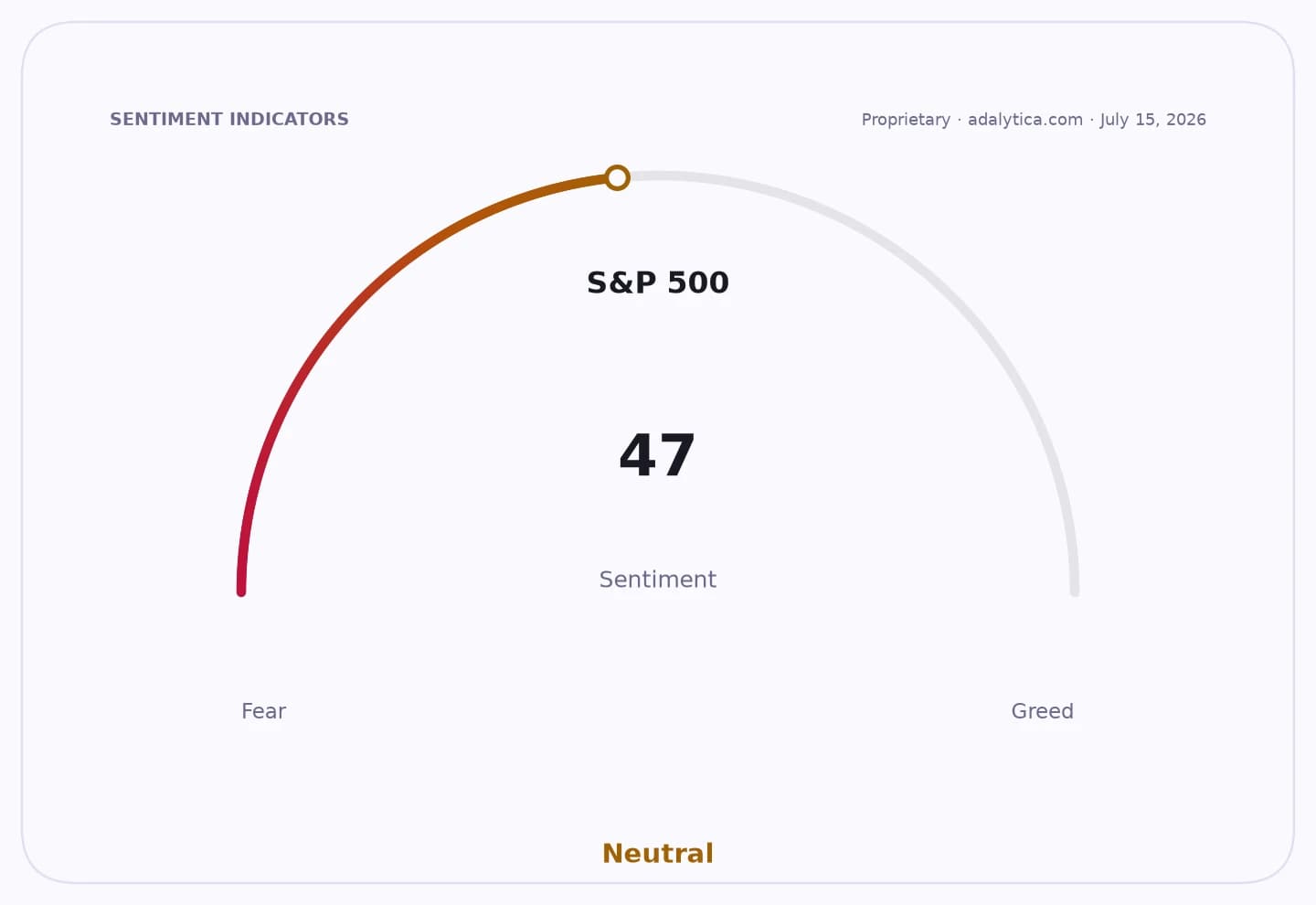
Sentiment IndicatorsⓘProprietary · adalytica.com · September 23, 2026
This is a snapshot — live sentiment, awareness and momentum for 130+ markets update continuously in the dashboard.Open AlphaPulse
That matters because Australia’s labour market is still relatively tight by historical standards. The unemployment rate is forecast at 4.02% for September, after holding at 4.1% in both July and August, underscoring that the economy is not sitting on a large pool of spare workers. Job openings also remain elevated, with vacancies projected at 7,402 in August after 7,271 in July, suggesting employers are still competing for labour even before any further reduction in backpacker supply.
For business owners, the risk is twofold. First, they may have to raise pay or offer more incentives to attract domestic workers into remote and seasonal roles. Second, if they cannot replace departing backpackers, they may simply cut production, delay harvests or reduce services. In industries with thin margins, that can be more damaging than a modest wage increase, because lost output is difficult to recover.
The debate also has a broader macroeconomic angle. A smaller pool of temporary migrant labour can ease political pressure around housing and infrastructure, but it can also intensify cost pressures in sectors that are already labour intensive. That is particularly relevant in regional economies, where employers face higher transport costs, weaker labour depth and more reliance on transient workers than in the major capitals. Any squeeze there tends to be felt quickly in farmgate prices, room rates and local services.
Investors should care because labour access is now part of the profit equation for listed names with exposure to agriculture, tourism, transport and food supply chains. Companies with stronger pricing power and automation can absorb wage pressure better than smaller operators with fixed contracts and limited scale. The issue is also relevant for consumer inflation expectations: if labour shortages persist, businesses often pass higher costs along, limiting margin recovery and keeping services inflation sticky.
The political fight therefore sits at the intersection of immigration, inflation and regional growth. Business NT’s pushback suggests employers view backpacker visas as an economic input rather than a discretionary policy lever. If Labor presses ahead, the winners would be workers with stronger bargaining power and businesses that can automate or absorb higher pay. The losers would be employers dependent on seasonal labour, especially in the Northern Territory and other regional economies where vacancies are hardest to fill.
| Entity | Gains | Losses |
|---|---|---|
| Local workers | ▲Higher bargaining power | ▼Fewer job gains if output falls |
| Regional employers | ▲None | ▼Labour shortages, higher costs |
| Consumers | ▲None | ▼Higher prices for food and services |
| Automation-capable firms | ▲Greater relative advantage | ▼Smaller labour-dependent operators |