Brent’s jump to $107 a barrel after a drone strike shut the East-West pipeline in Saudi Arabia is the biggest market move here, because it threatens to reawaken inflation, keep central banks cautious and reshape the trade across metals. The immediate result is a more defensive commodity tape: copper briefly sold off on tariff uncertainty before bargain hunters stepped in, while gold’s reaction has been more muted than many traders expected.
Brent at $107 as Saudi pipeline hit lifts oil

For investors, that matters because higher oil can hit risk assets through two channels at once — by lifting input costs and by hardening expectations for policy tightening. Markets are already pricing roughly an 86% chance the Federal Reserve delivers a 25-basis-point move at its Sept. 16 meeting, and a sustained energy spike would make it harder for officials to sound dovish. That is a problem for industrial demand, especially in sectors already strained by raw-material inflation.
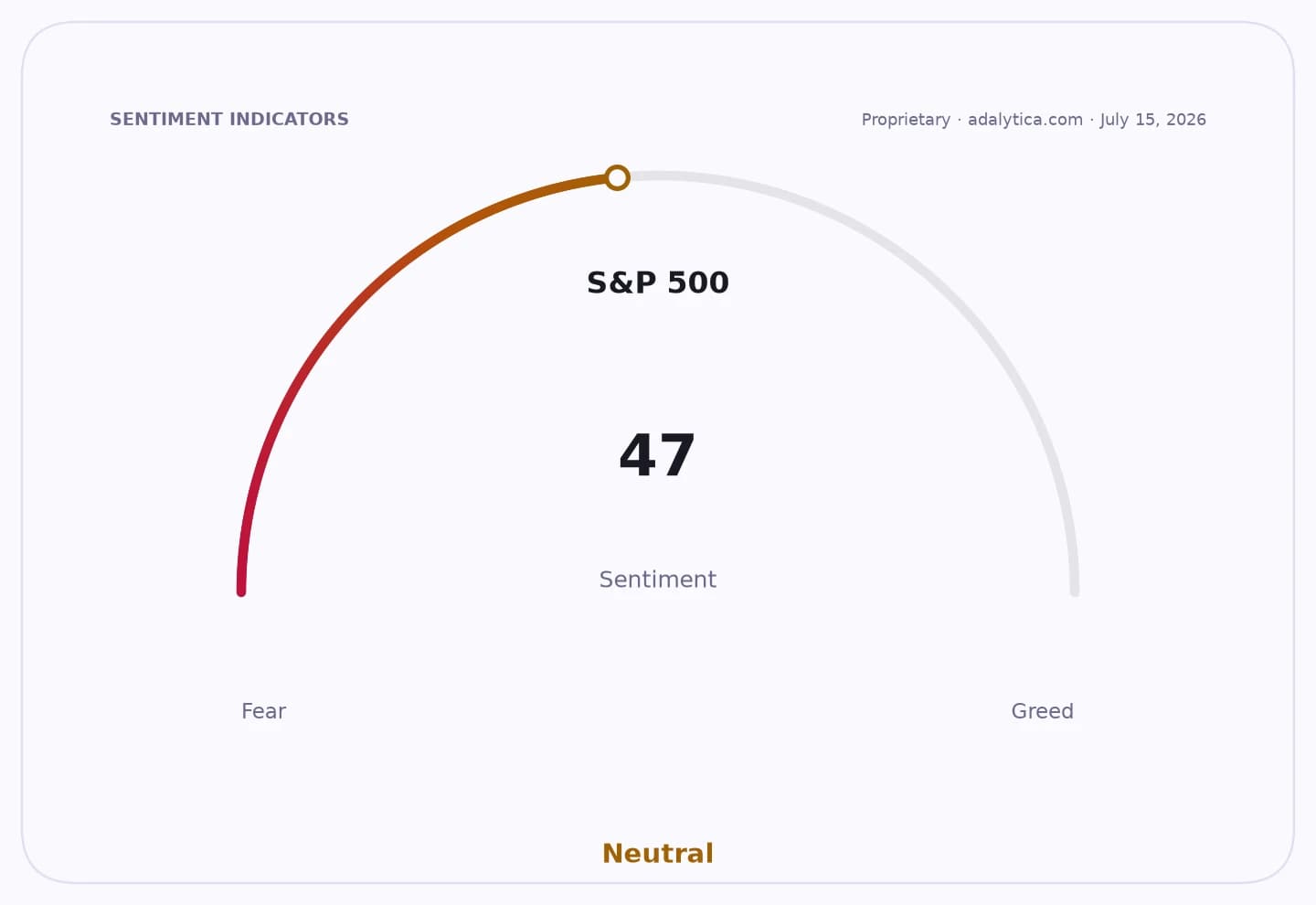
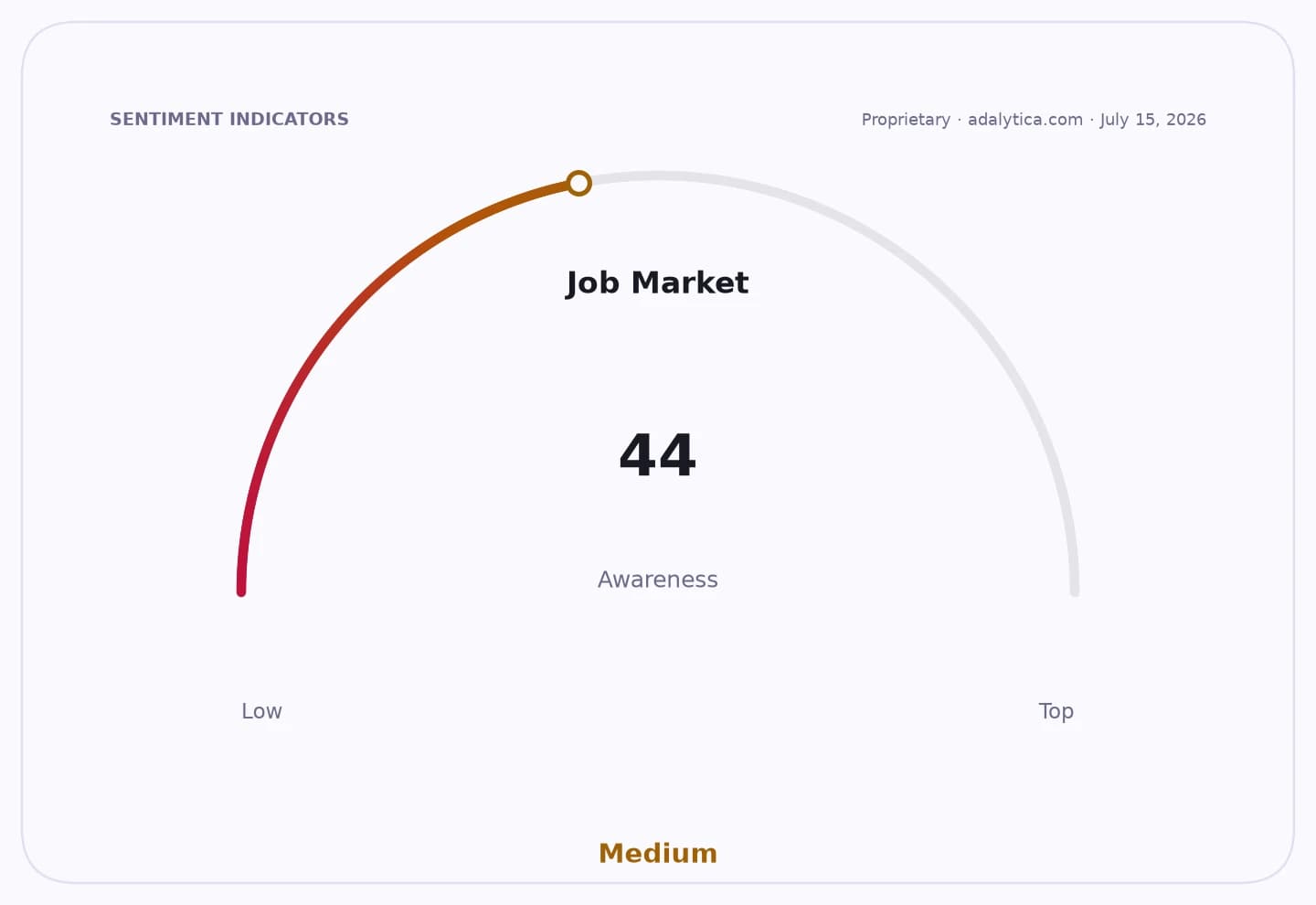
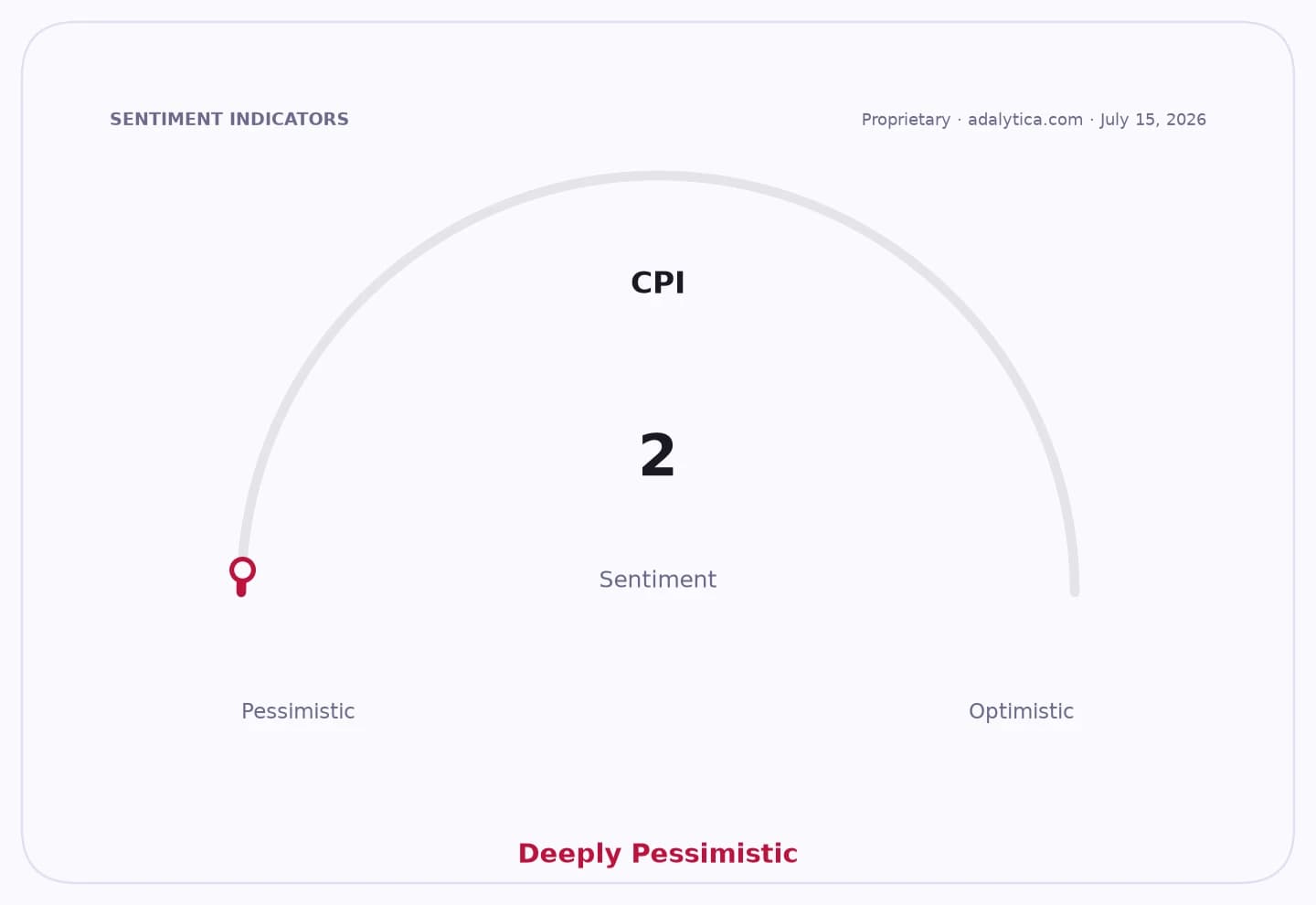
Sentiment IndicatorsⓘProprietary · adalytica.com · September 19, 2026
This is a snapshot — live sentiment, awareness and momentum for 130+ markets update continuously in the dashboard.Open AlphaPulse
Copper remains the clearest second-order trade. New York COMEX copper for December delivery finished barely changed at $6.5480 a pound after tumbling nearly 5% a day earlier on reports Washington may reconsider plans for copper-import tariffs. StoneX said funds and Chinese producers bought the dip, but the bigger story is that policy uncertainty is colliding with a structurally tight market. Copper had already surged to records on demand from grid buildout, AI data centers and electric vehicles, and the latest pullback looks more like a pause than a trend change.
That is where the investment case gets interesting. Higher oil does not just support energy names; it reinforces the scarcity premium in copper by raising the odds of persistent inflation, supply-chain hedging and delayed rate cuts. At the same time, it pressures manufacturers that cannot easily absorb metal inflation. Indian automakers, appliance makers, telecom gear suppliers and construction firms are all exposed, with some already lifting prices or shifting to aluminium in selected applications. The market is underestimating how quickly copper costs can move from a commodities story into a margin story.
Gold, meanwhile, is telling a different story. It has stabilized after three straight weekly declines, but the metal has not yet broken out in a convincing way despite geopolitical tension and a weaker dollar. That suggests investors are still treating the inflation shock as a reason to hold cash and Treasuries first, precious metals second. Platinum and palladium remain even weaker, with oversupply concerns and softer Chinese demand limiting any haven bid.
The setup now favors energy bulls and copper selectivity over a broad metals rally. If Brent holds near triple digits, the next leg higher may come not from a sudden demand boom, but from rising costs, tariff hedging and supply disruptions filtering through the industrial chain. In that environment, the best opportunities are in the infrastructure and electrification names that sell the picks and shovels — while the biggest losers are the manufacturers forced to eat the higher bill.
| Entity | Gains | Losses |
|---|---|---|
| Brent/energy producers | ▲Higher realized prices | ▼Consumers, importers |
| Copper miners and suppliers | ▲Tight-market pricing | ▼Copper users, manufacturers |
| Gold holders | ▲Inflation hedge demand | ▼Rate-sensitive traders |
| Automakers/appliance makers | ▲— | ▼Input-cost pressure |