Brazil and Spain are using their own economic data to argue that higher growth, lower deficits and tougher regulation of big corporations can coexist — a message aimed squarely at investors betting that only market-first policy can deliver macro stability.
Brazil and Spain Growth, Deficits and Regulation
The pitch matters because it is no longer being made in the abstract. In Brazil, the Lula government says unemployment is at record lows, household income is rising and millions have moved out of poverty after it tightened transparency, expanded social programs and rolled back tax breaks for large business groups. In Spain, Pedro Sánchez’s administration says it has delivered one of the fastest growth rates among major advanced economies for three straight years while cutting the deficit to its lowest level in nearly two decades.
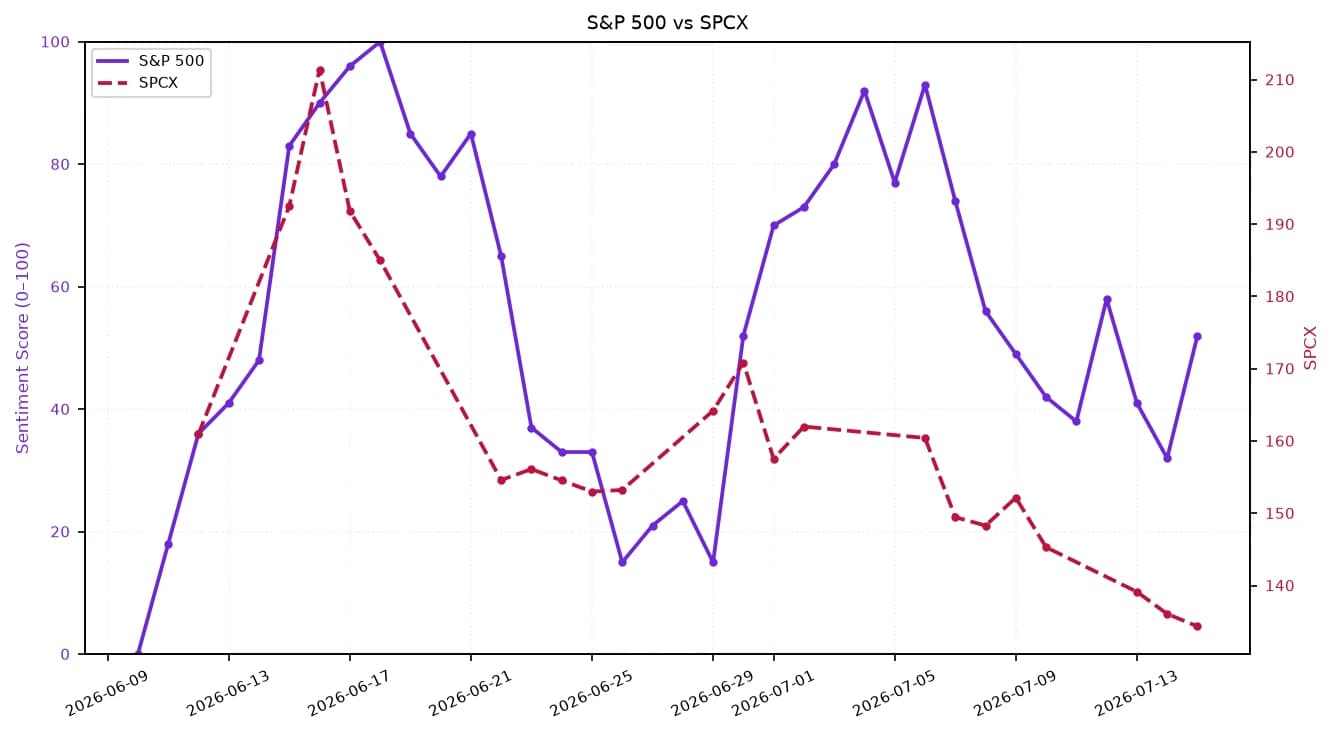
Sentiment IndicatorsⓘProprietary · adalytica.com · September 22, 2026
This is a snapshot — live sentiment, awareness and momentum for 130+ markets update continuously in the dashboard.Open AlphaPulse
For investors, that combination is important because it challenges a long-held assumption that redistribution and fiscal discipline are mutually exclusive. If these policies can keep growth intact while improving public accounts, then the market’s preferred playbook — austerity, deregulation and tax relief concentrated at the top — looks less like a requirement for stability and more like one political choice among several. That has implications for sovereign risk, domestic consumption, labor markets and the valuation of industries exposed to higher taxation or tighter oversight.
The timing is also not accidental. Both governments are trying to define a “progressive economy” at a moment when demographic aging, the energy transition and the digital shift are reshaping national budgets and corporate profits. Spain has leaned on renewables, which now generate more than half its electricity, and says that has helped insulate households and industry from energy shocks. Brazil, meanwhile, is framing Amazon protection, clean energy and a more progressive tax code as part of the same growth story rather than a drag on it.
That matters for capital allocation. Spain’s position as a clean-energy leader and Brazil’s broader push on fiscal fairness, regulation and strategic assets make both countries more attractive to investors looking for policy-backed structural themes rather than cyclical rebounds alone. The winners are the sectors tied to domestic demand, infrastructure, renewables and data centers; the losers are banks, energy producers and Big Tech platforms when governments decide profits should carry a heavier public cost.
The broader narrative is clear: the most investable economies may not be the ones that promise the least intervention, but the ones that can pair social legitimacy with growth and budget control. If Brazil and Spain can keep delivering both, the market will be forced to price in a new policy regime — one that favors resilience, public investment and strategic industries over the old neoliberal bargain. For investors, that is a cue to look earlier at the beneficiaries of state-backed transition spending and more carefully at the companies likely to face higher taxes, tighter rules and slower margin expansion.
| Entity | Gains | Losses |
|---|---|---|
| Brazil domestic consumers | ▲Higher incomes, lower unemployment | ▼Less relief from large-business tax breaks |
| Spain renewable-energy sector | ▲Policy support, lower power costs | ▼Fossil-fuel dependence |
| Banks and energy companies | ▲Stable macro backdrop | ▼Windfall taxes, higher scrutiny |
| Big Tech platforms | ▲AI and data-center policy support | ▼Tighter regulation, age limits |