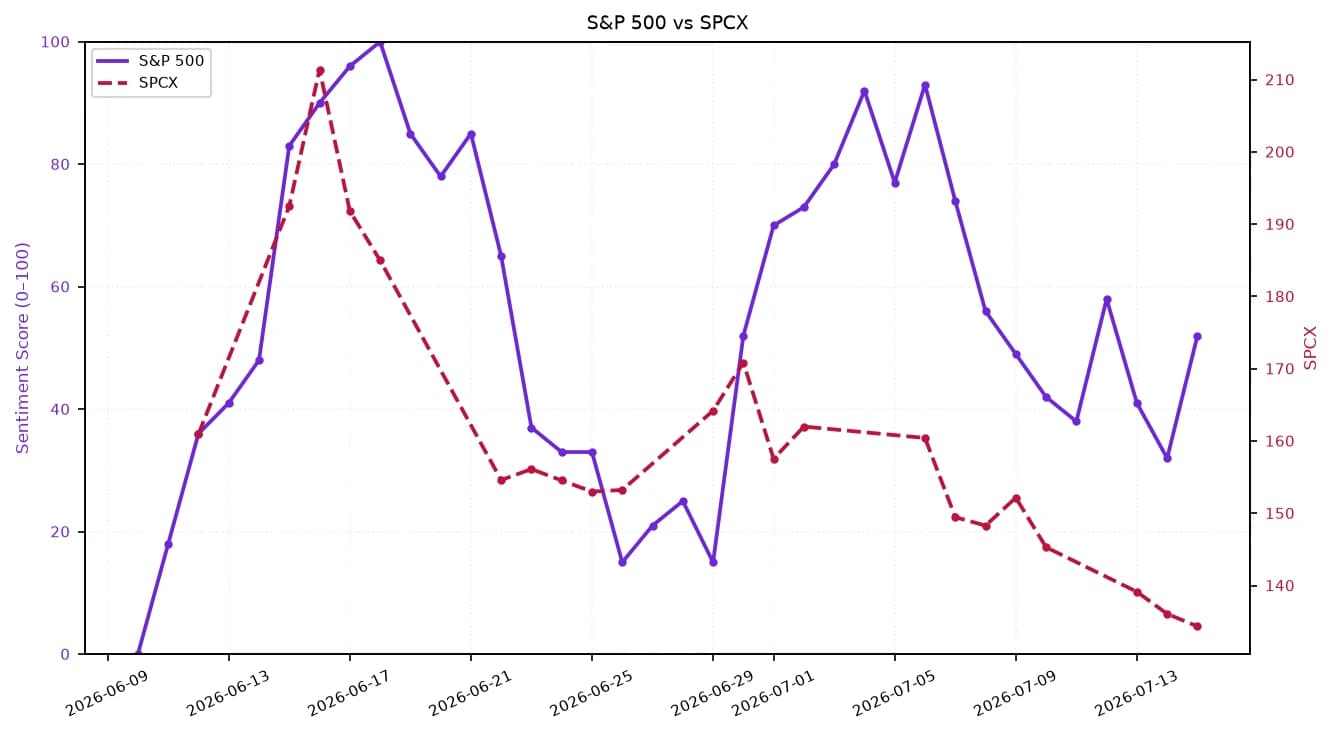
Brazil is finding that subsidizing fuel can slow inflation, but it cannot fully offset a surge in global oil prices driven by geopolitical risk.
Brazil Fuel Subsidies Slow Inflation as Oil Rises
With Brent crude holding above $100 a barrel after renewed conflict in the Middle East, pressure on diesel and gasoline prices is filtering into freight costs and the broader price index just as the country heads into the final stretch before the first round of the 2026 election. The tension matters economically because Brazil still relies heavily on imported refined fuels, making domestic inflation more vulnerable to swings in international energy markets than to local tax policy alone.
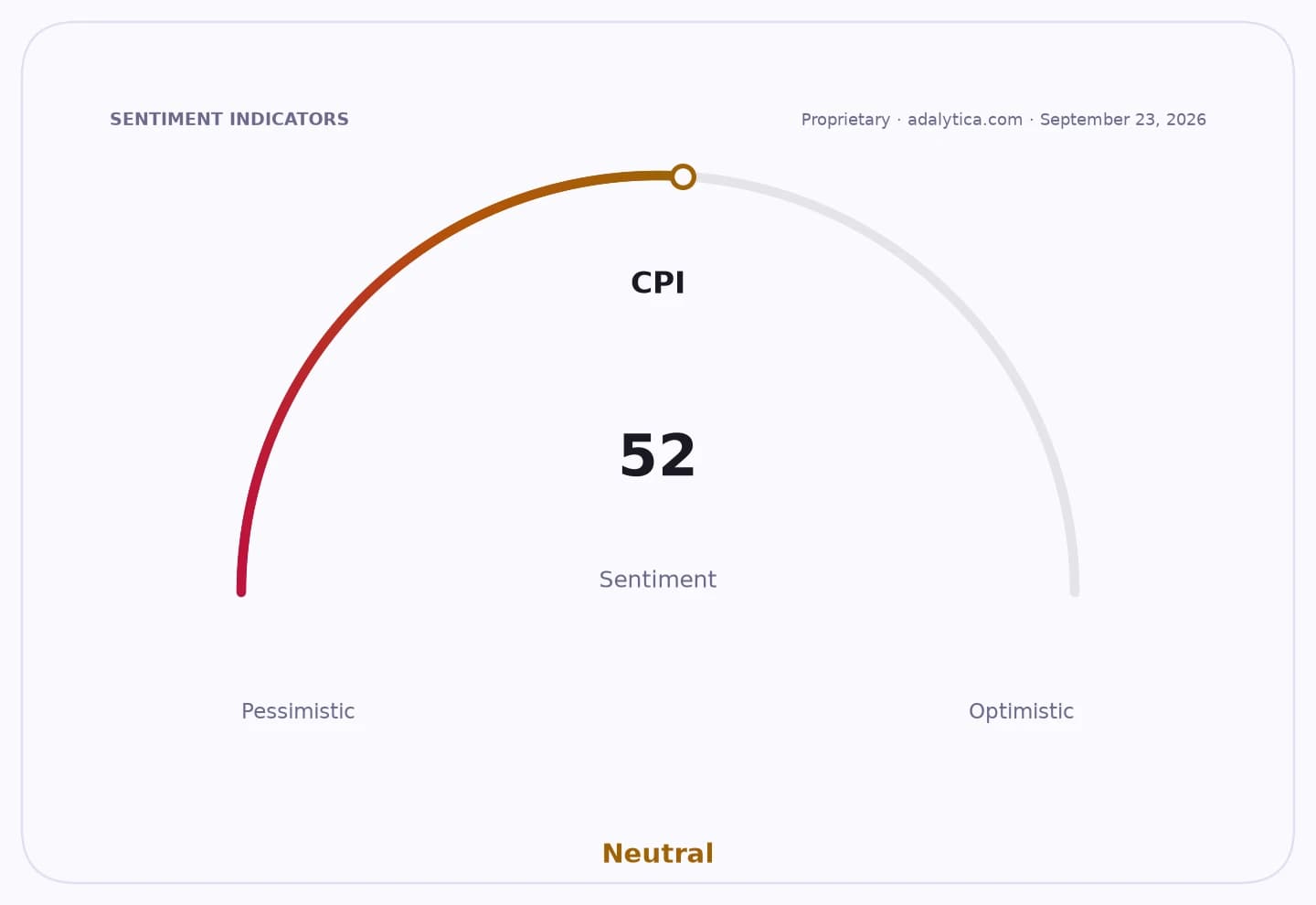
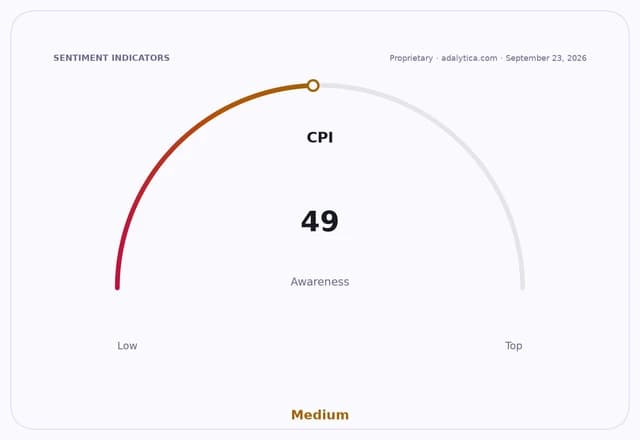
Sentiment IndicatorsⓘProprietary · adalytica.com · September 23, 2026
This is a snapshot — live sentiment, awareness and momentum for 130+ markets update continuously in the dashboard.Open AlphaPulse
The government has moved to cushion the blow. It has rolled out an extraordinary R$6.6 billion subsidy package, cut PIS/Cofins levies, zeroed taxes on hydrated ethanol and reduced gasoline charges by R$0.63 a liter between September and October. It also granted R$1 a liter in support for road diesel. But economists say those measures mainly delay pass-through to the pumps rather than eliminate it.
That distinction matters for markets and policy. The ANP says S10 diesel has risen 14.45% since the conflict began in February, a gain that is already lifting freight costs and feeding into headline inflation. In a country where transport expenses have an outsized effect on food and industrial prices, even partial fuel increases can complicate the central bank’s inflation-management efforts and add to fiscal pressure as the state shoulders more of the adjustment.

The broader problem is structural. Brazil’s import dependence on refined products leaves it exposed to external shocks, while instability around the Strait of Hormuz keeps traders focused on supply risk. The result is a policy trap: holding down fuel prices supports households and may blunt election-year discontent, but it also raises the fiscal cost of inflation control and can distort pricing signals for Petrobras and the downstream market.
Petrobras, for its part, has said it is sticking to a commercial strategy centered on market share, refining optimization and profitability, while avoiding immediate pass-through of temporary commodity volatility. That stance may preserve volume and limit political friction in the short term, but it also leaves investors watching for margin pressure, subsidy timing and any further state involvement if crude stays elevated.
For investors, the key question is whether oil’s latest spike proves temporary or becomes a new baseline. If Brent remains near triple digits, Brazil’s inflation path, interest-rate outlook and fiscal arithmetic all get harder, with the greatest winners likely to be fuel exporters and the clearest losers households, transport-heavy industries and policymakers trying to keep prices contained.
| Entity | Gains | Losses |
|---|---|---|
| Petrobras | ▲protects market share | ▼faces margin and pricing pressure |
| Brazilian consumers | ▲short-term pump relief | ▼higher inflation over time |
| Transport/freight firms | ▲temporary subsidy buffer | ▼higher diesel-linked costs |
| Brazilian government | ▲buys political time | ▼higher fiscal burden |