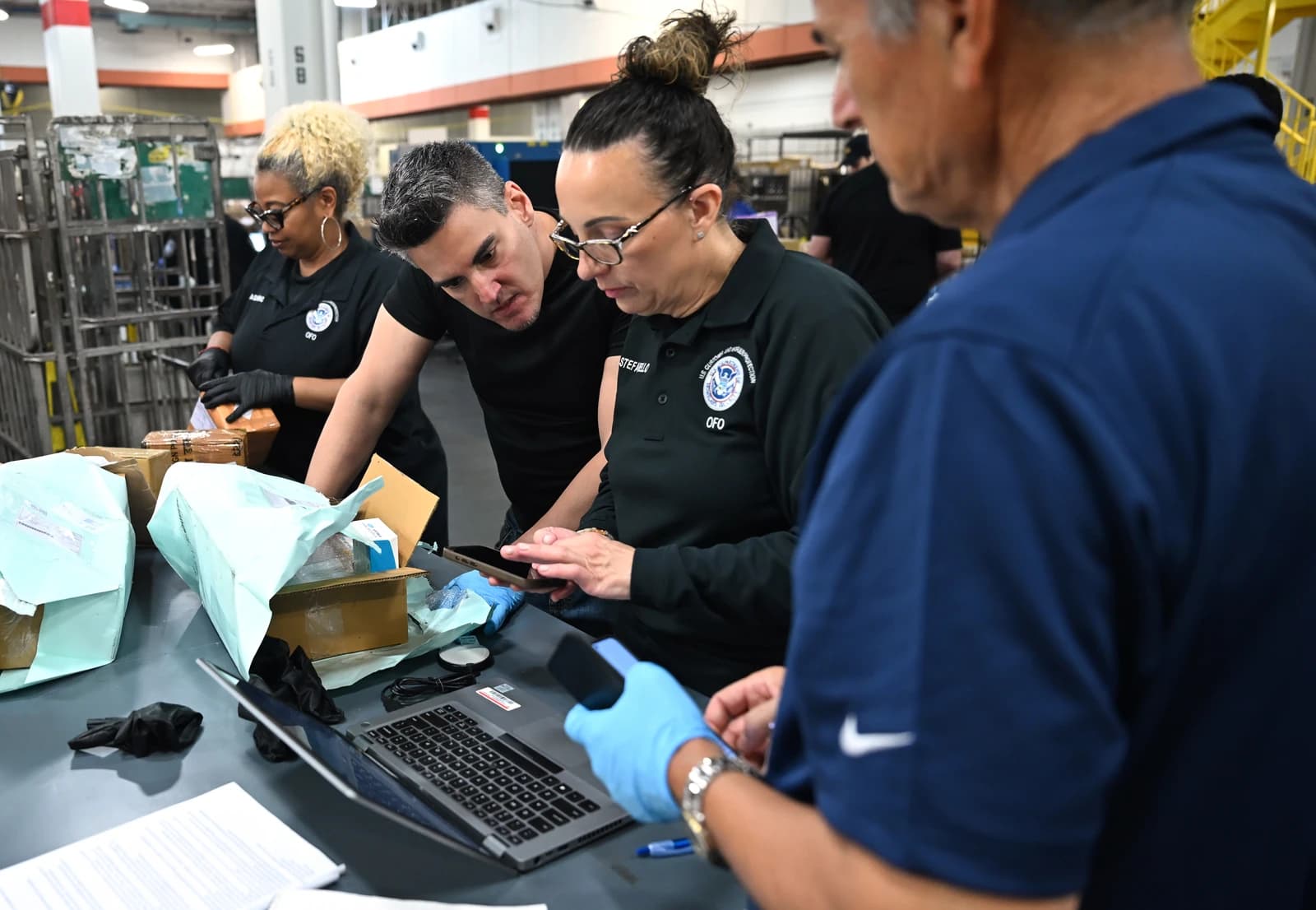
Mato Grosso do Sul spent 9% of its criminal justice outlays on enforcing Brazil’s drug law in 2024, underscoring how much of the country’s security budget is still tied up in arresting, prosecuting and imprisoning drug offenders rather than dismantling trafficking networks.
Brazil drug law spending hits R$14.5 billion
The state ranked eighth among Brazil’s 27 federal units on that measure, above the national average of 7.9%, according to a study by the Cesec research center released Tuesday. The finding matters because it puts a hard number on a long-running policy debate: drug enforcement is consuming a meaningful share of public safety resources even as authorities face pressure to show results beyond mass incarceration.
Sentiment Indicators
At the national level, the study estimated Brazil spent R$14.5 billion last year applying the drug law across police, courts, prosecutors’ offices, prisons and juvenile detention units. Nearly half of that total was concentrated in military police and prison systems, which together accounted for 48.9% of the bill.
That spending profile suggests the country is still channeling money toward street-level policing and incarceration, rather than intelligence-led investigations into trafficking organizations. The report said military police alone accounted for R$3.2 billion in drug-law costs, while prisons absorbed R$3.8 billion.
For investors, the relevance is indirect but real: sustained public spending on policing and prison capacity shapes fiscal priorities in Brazil, influences construction and service demand in the corrections sector, and signals the political durability of tough-on-drugs policy. It also has implications for companies exposed to detention and correctional contracts in the US, where law-and-order policy and incarceration trends can affect occupancy and revenue.
The Cesec study said São Paulo led the country in absolute spending at R$3.08 billion, while Mato Grosso do Sul’s share was calculated only as a proportion of justice-system expenses, not as a share of the state budget. Researchers said the R$14.5 billion estimate likely understates the full cost because it excludes specific police operations and raids.
The report also showed wide regional variation in the use of youth detention for drug-related offenses, with Paraná at 61% of adolescents under socio-educational measures for drug infractions versus a 17% national average. Researchers said the data support a shift toward targeting criminal command structures rather than relying mainly on arrest and confinement.
| Entity | Gains | Losses |
|---|---|---|
| Brazilian prison and police systems | ▲Budget support | ▼Efficiency scrutiny |
| Drug trafficking networks | ▲Enforcement pressure | ▼Operational freedom |
| Mato Grosso do Sul taxpayers | ▲More visible enforcement | ▼Less fiscal flexibility |
| Corrections-focused contractors | ▲Potential demand stability | ▼Policy uncertainty |