Brazil’s drive to sustain record grain output is putting a spotlight on one of agriculture’s smallest but most consequential inputs: boron. With the national farm agency Conab projecting 360.1 million tonnes of grain in the 2025/26 crop, farmers and agribusiness suppliers are under pressure to protect yield gains with tighter nutrient management, especially as the margin between deficiency and over-application narrows for micronutrients.
Brazil boron demand rises with grain output

That matters economically because Brazilian agriculture is no longer being won only on acreage or bulk fertilizer use. At the top end of productivity, small physiological constraints can determine whether crops fully set flowers, pods, seeds and fruit. Boron is central to those reproductive processes, making its management a yield lever for soybeans, corn, cotton, coffee, beans, canola and fruit crops that together underpin export earnings and domestic food supply.
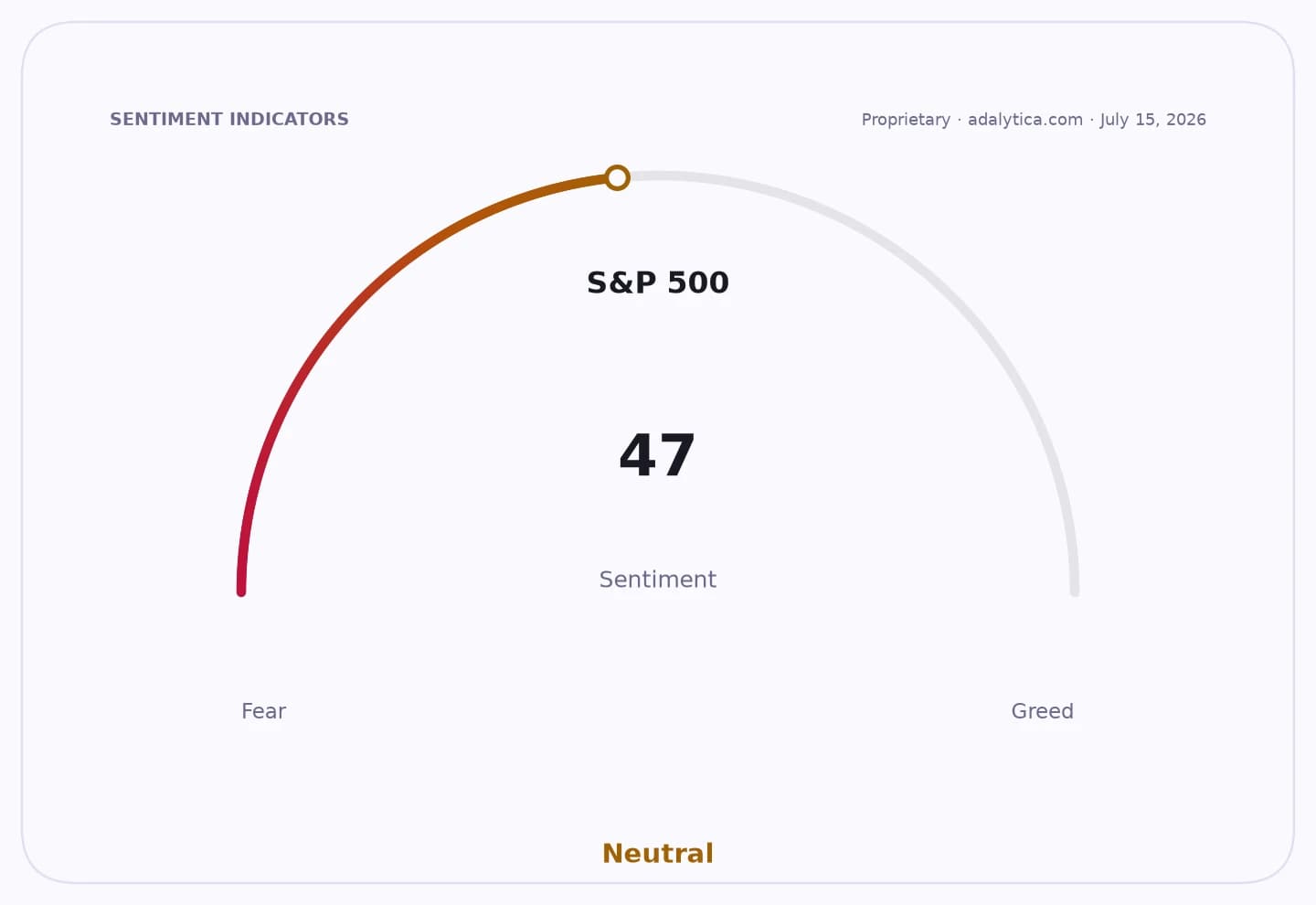
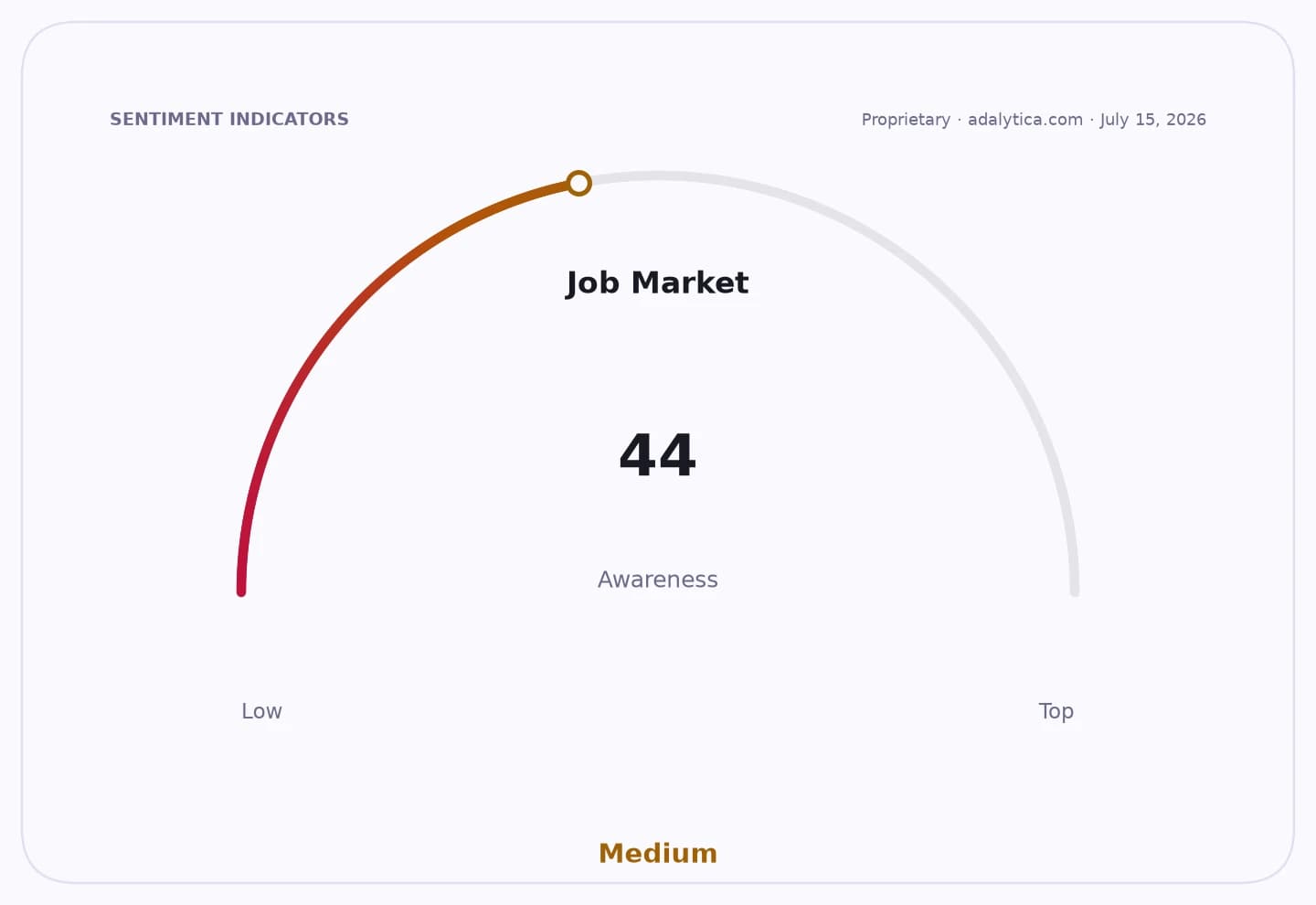
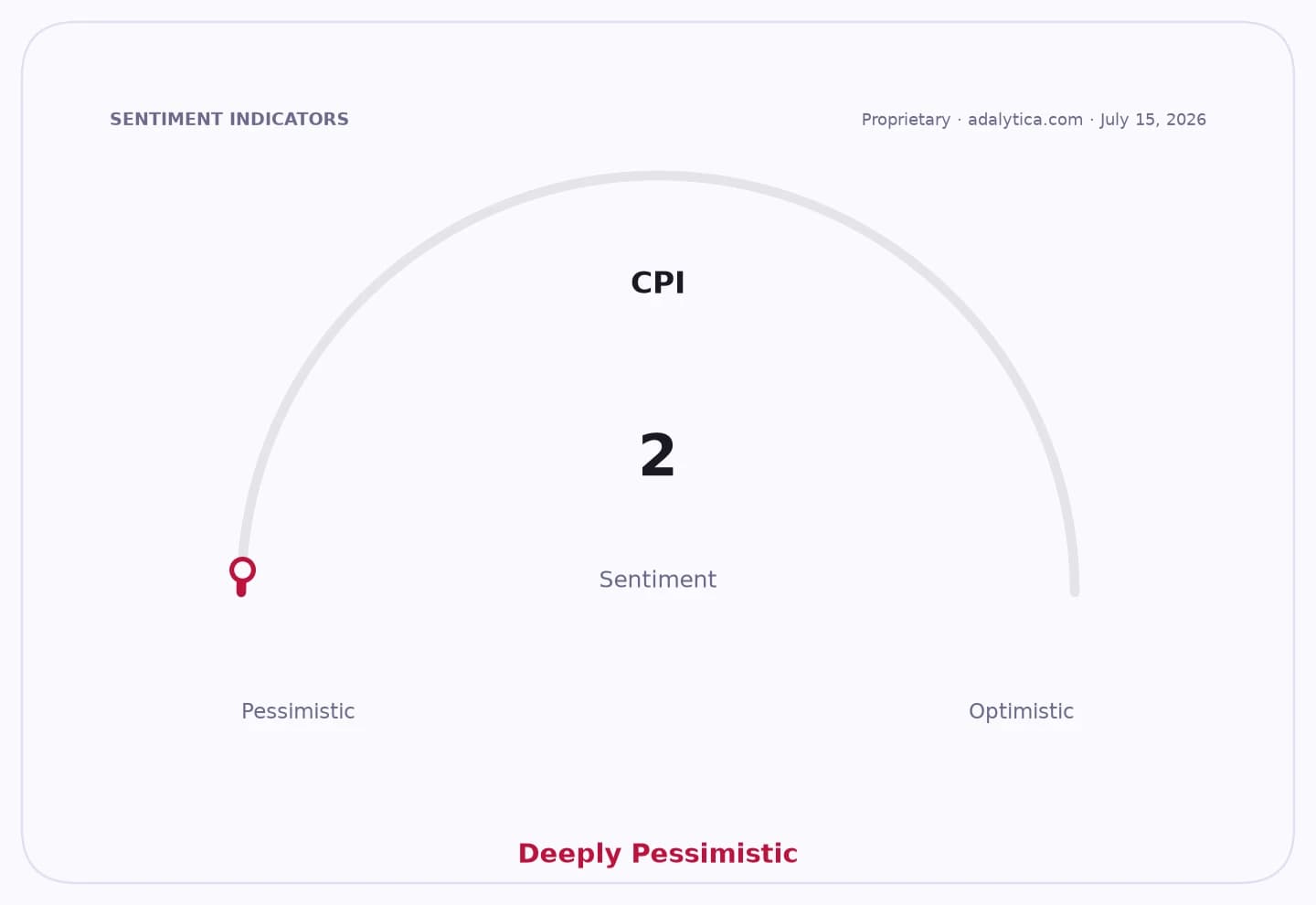
Sentiment IndicatorsⓘProprietary · adalytica.com · September 20, 2026
This is a snapshot — live sentiment, awareness and momentum for 130+ markets update continuously in the dashboard.Open AlphaPulse
The nutrient’s importance is rising as producers move from reactive deficiency correction toward planned, stage-specific nutrition. Agronomists say the reproductive phase is where boron becomes especially critical, supporting fecundation and grain formation. But the range between deficiency and toxicity is narrow, which raises the value of precision sourcing, dosage and timing. In a market where producers are already balancing weather risk, input costs and tight margins, a micronutrient that can improve or impair crop performance in small doses carries outsized financial importance.
That is helping suppliers with specialized boron technologies position themselves inside a broader productivity trade. BRQ Brasilquímica said it is among the country’s largest importers of boron and is marketing formulations designed to make foliar application easier and more compatible with crop protection products. Its Dual Boro product, part of the QualyMix line, is aimed at delivering high boron concentration while keeping pH near neutral, a formulation the company says improves mixing with herbicides and fungicides. For growers, that can lower application friction and potentially reduce passes across the field.
The commercial logic extends beyond one company. Global and regional fertilizer players with exposure to specialty nutrients stand to benefit from a farm economy that increasingly rewards agronomic precision over volume alone. That includes producers and distributors of micronutrients, foliar fertilizers and crop input blends, while farmers who adopt better boron management may be better positioned to capture yield potential in high-value crops.
For investors, the story is less about boron as a commodity than about the market for productivity-enhancing agricultural inputs. Brazil’s scale makes any incremental yield gain material, and a push to protect output at 360.1 million tonnes of grain implies continued demand for differentiated fertilizer products, technical services and imported raw materials. The bear case is that boron remains a niche input, vulnerable to pricing pressure and substitution if growers cut costs. The bull case is that tighter agronomy and higher-value crop systems support recurring demand for precision micronutrients.
The broader narrative is straightforward: as Brazilian agriculture pushes against productivity limits, the smallest nutritional gaps become strategically important. Boron may be used in tiny quantities, but in a crop cycle where reproductive success determines output, it is one of the inputs most likely to decide whether the sector can keep stretching yields.
| Entity | Gains | Losses |
|---|---|---|
| BRQ Brasilquímica | ▲Specialty boron sales | ▼Commodity fertilizer rivals |
| Brazilian growers | ▲Higher yield potential | ▼Input-cost pressure |
| Crop nutrient distributors | ▲Precision-input demand | ▼Low-value bulk suppliers |
| Crop yields | ▲Better reproductive set | ▼Deficiency or toxicity risk |