Michelle Bowman’s long-awaited move to rewrite the Federal Reserve’s bank stress test framework matters because it could make one of the most powerful tools in U.S. banking supervision more predictable for lenders, investors and shareholders.
Bowman Rewrites Fed Bank Stress Test Framework
The Fed’s vice chair for supervision said Friday that the final rule changes are designed to increase transparency and reliability in the annual tests, while reducing some of the volatility that banks have long complained can whipsaw capital requirements from year to year. For investors, that’s a big deal: stress tests influence how much capital big banks must hold and, in turn, how much they can return through dividends and share buybacks.
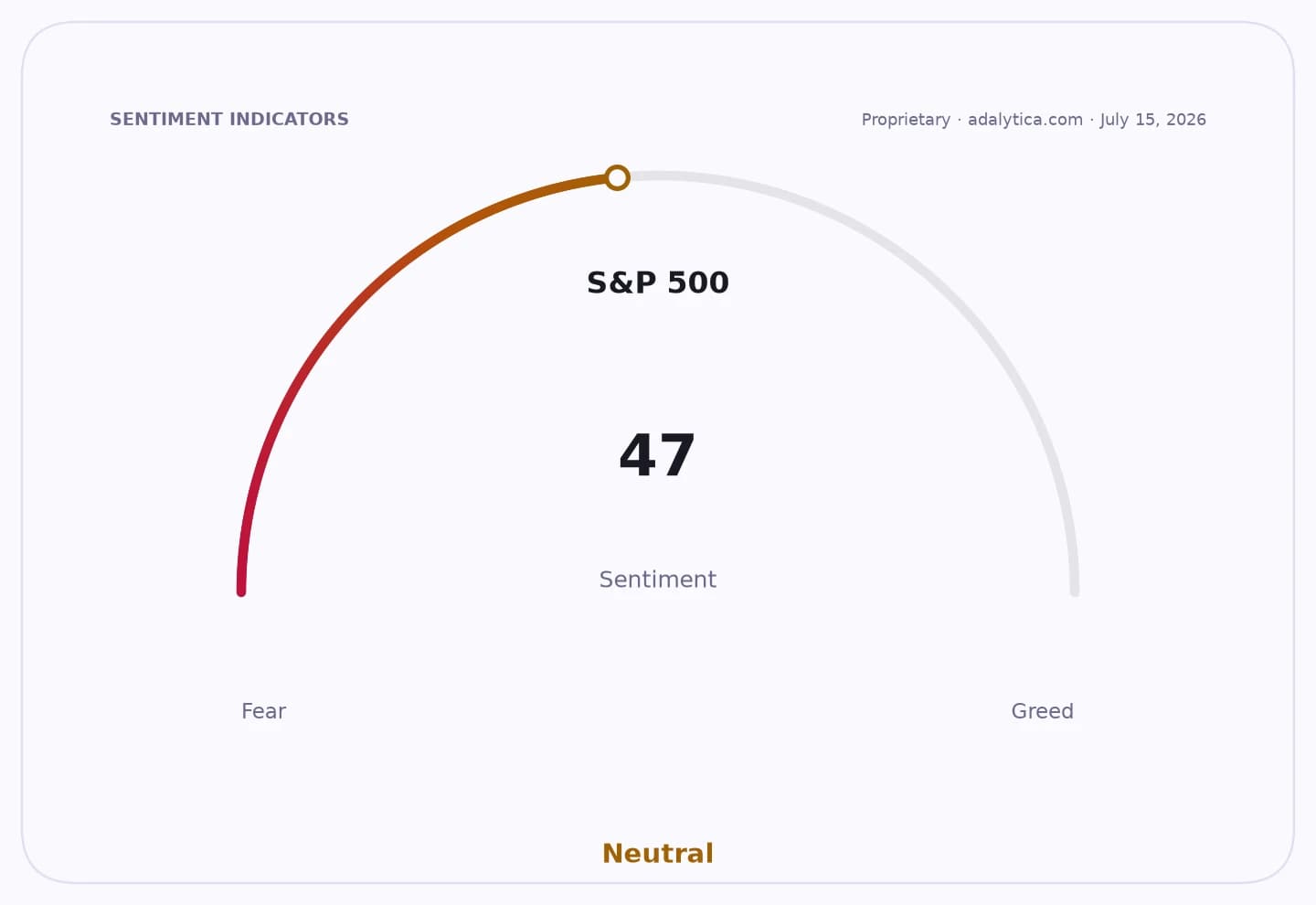
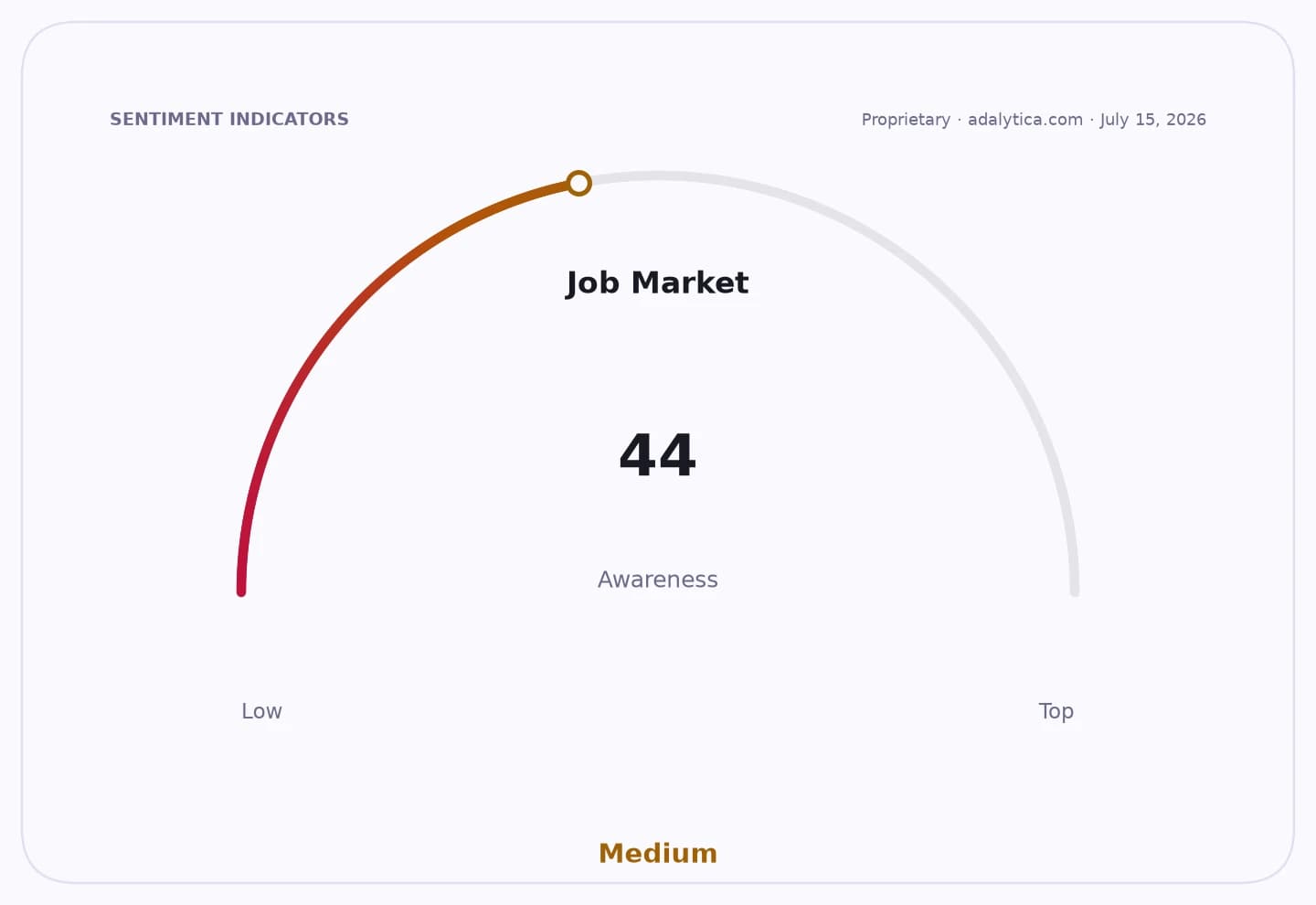
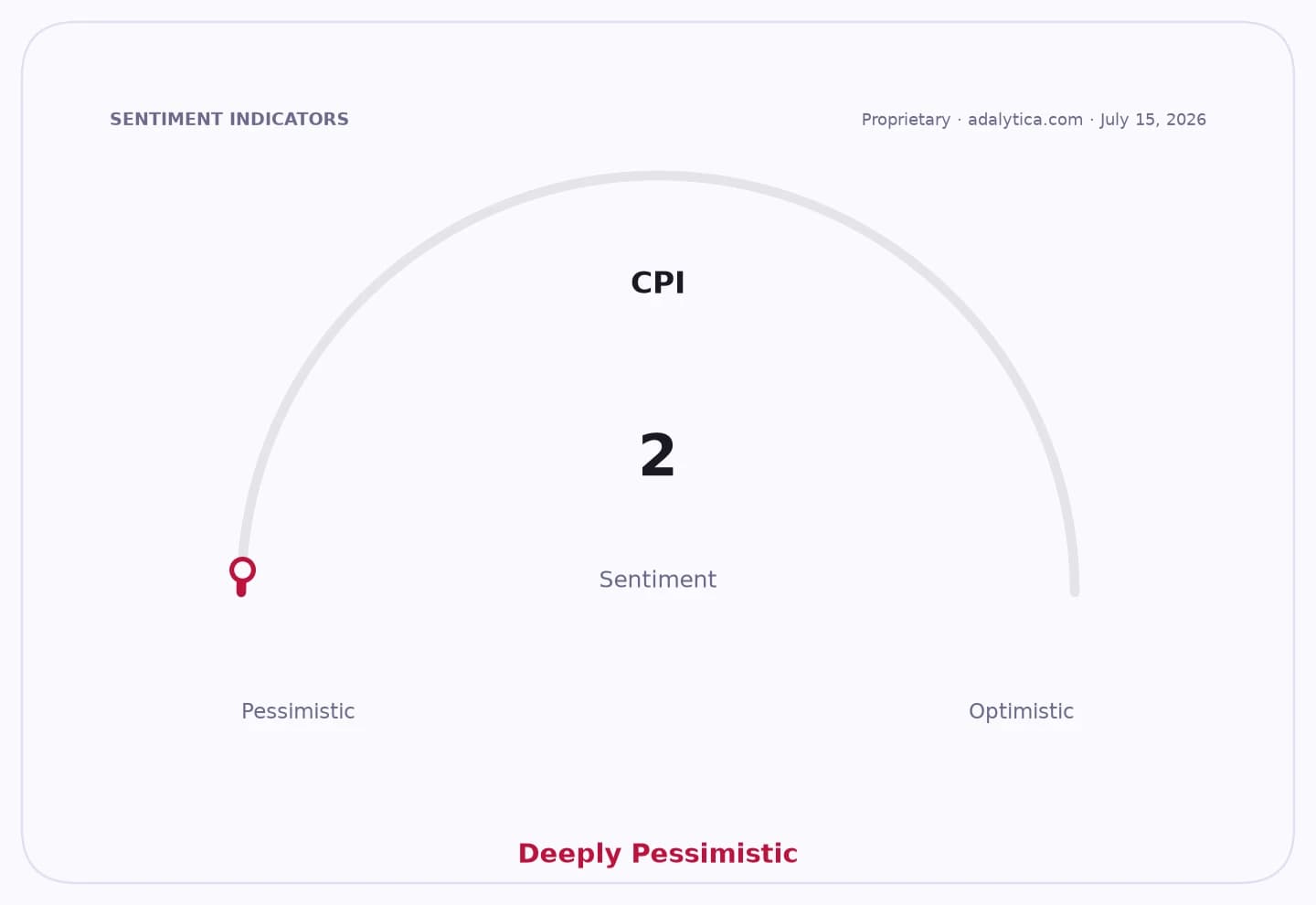
Sentiment IndicatorsⓘProprietary · adalytica.com · September 21, 2026
This is a snapshot — live sentiment, awareness and momentum for 130+ markets update continuously in the dashboard.Open AlphaPulse
Bowman said the revisions would not change capital requirements themselves, but they would give the public a clearer view of the models used to calculate hypothetical losses and revenues under severe recession scenarios. That should help investors better judge which banks have sturdier balance sheets and which are running closer to the edge. It also comes after banks sued the Fed in December 2024, arguing the tests were too opaque and effectively run behind closed doors.
The policy shift speaks to a broader balancing act in U.S. banking: regulators want to keep the system resilient after the failures of 2008, but lenders want less uncertainty over the rules that govern capital planning. In theory, more disclosure should improve market discipline by letting shareholders and counterparties price risk with greater confidence. In practice, it could also make earnings and capital-return plans easier to forecast, which is exactly what long-term investors in banks want.
That is why the announcement lands as more than a bureaucratic update. Large banks such as JPMorgan Chase, Wells Fargo and the big universal banks have spent years building capital plans around the Fed’s annual review. Even if the rules do not directly lower capital buffers, a steadier framework can reduce the odds of unpleasant surprises that pressure valuations or force management to hold back buybacks.
The timing also matters for bank stocks more broadly. U.S. financial shares have been sensitive to interest-rate moves and regulatory headlines, and the sector’s recent trading has reflected a tug-of-war between healthy profitability and concern over capital rules. A more transparent stress-test regime could support a steadier multiple for the group over time, especially if investors come to trust the process more.
For long-term investors, the takeaway is simple: this is another step toward a banking system that may be easier to analyze and, potentially, easier to own through the cycle. The biggest winners are likely to be well-capitalized banks with durable earnings power and strong buyback capacity. The losers are the institutions that relied on regulatory opacity to obscure weaker risk management.
| Entity | Gains | Losses |
|---|---|---|
| Large U.S. banks | ▲More predictable capital planning | ▼Less room for model opacity |
| Bank investors | ▲Clearer risk assessment | ▼Less upside from surprise capital relief |
| Regulators | ▲Greater credibility | ▼More scrutiny of assumptions |
| Weaker lenders | ▲None | ▼Higher pressure on capital discipline |