Agriculture in Bosnia and Herzegovina is sliding into a sharper supply squeeze just as fuel prices rebound and the harvest cycle turns to autumn sowing, raising the odds of another round of food inflation that households and policymakers may struggle to contain.
Bosnia Agriculture Faces Supply Squeeze and Food Inflation
The immediate economic risk is not just lower farm output, but a breakdown in the local cost structure for food. Farm groups in the Federation of Bosnia and Herzegovina say prolonged drought has made production “unbearable,” forced some farms toward closure and left many producers unable to cover costs because farmgate prices are falling even as seeds, fertilizer and diesel become more expensive. That combination is the classic setup for margin destruction in agriculture: volumes fall, input costs rise and producers have little pricing power.
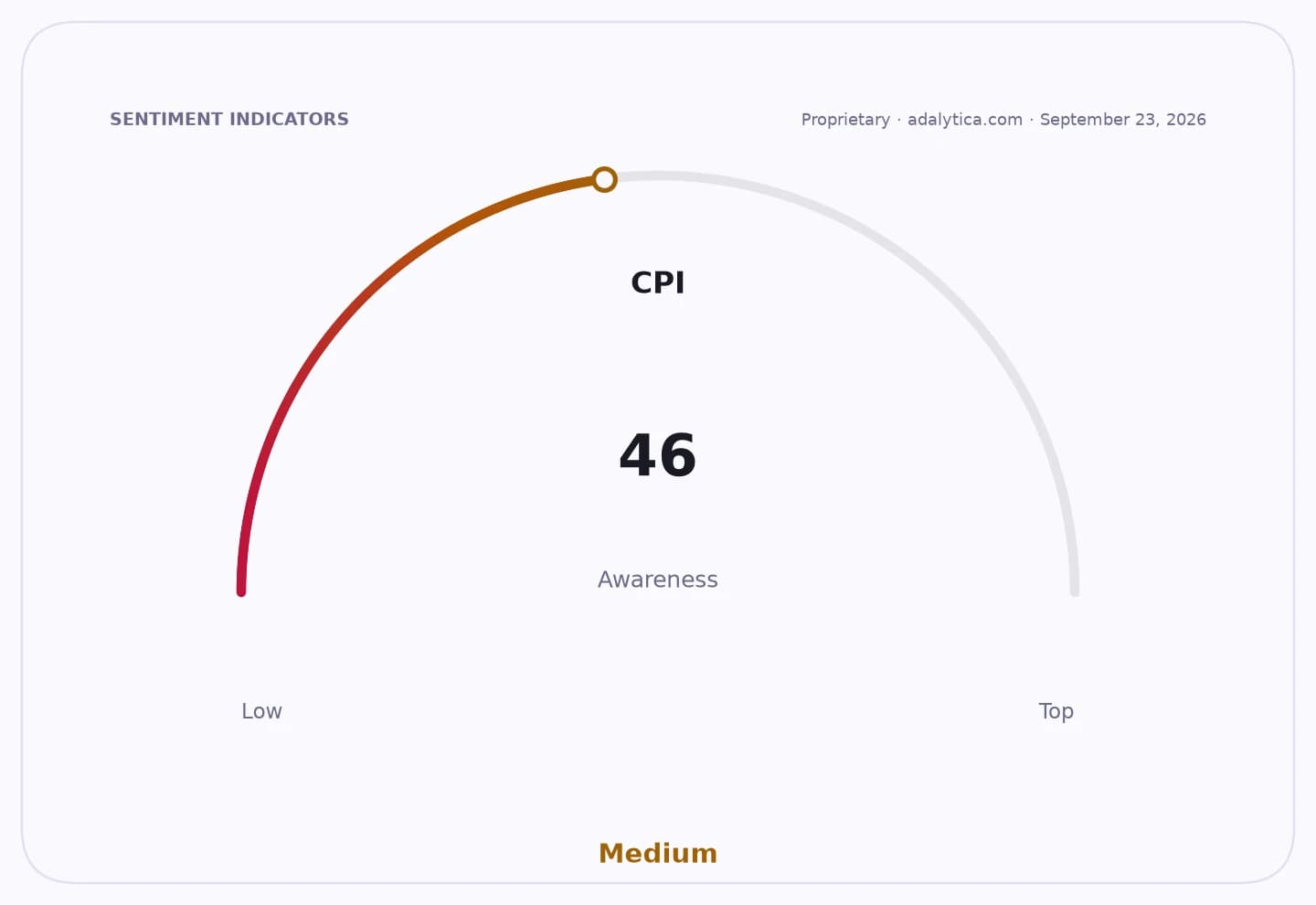
Sentiment IndicatorsⓘProprietary · adalytica.com · September 23, 2026
This is a snapshot — live sentiment, awareness and momentum for 130+ markets update continuously in the dashboard.Open AlphaPulse
Nedžad Bićo of the Federation’s farmers’ association said the damage began earlier in the year when fuel costs surged after the Iran conflict and has since been compounded by drought. With autumn sowing now approaching, the sector is being hit again by higher diesel prices, which tend to ripple through the food chain via transport, field work, feed and packaging. In a small and import-dependent economy, that matters far beyond farms. It can quickly translate into higher retail prices for basic foodstuffs, particularly if global energy markets stay tight.
There are already signs that Bosnia is entering a broader inflationary phase. The country posted 4.5% inflation in August, and households are still facing a cost of living that far outpaces incomes. The union consumer basket for a four-person family was calculated at 3,810.70 marka for August, underscoring how fragile purchasing power remains. If food and electricity costs rise again, the burden will fall most heavily on lower-income households and pensioners, who have the least room to absorb another price shock.
Policy is trying to cushion the blow, but only at the edges. The Federation government extended its “locked prices” list for 100 products through year-end and kept caps on fuel and pellet margins for 90 days. Republika Srpska is maintaining its fuel margin limits and offering a temporary 0.10 marka-per-liter cut in petrol and diesel prices. Those measures may slow the pace of price increases, but they do not address the underlying problem: a supply-side squeeze driven by weather, energy and weak domestic production. Consumer groups are already arguing that only state-level action, including taxes and excise duties, could make a meaningful difference.
For investors and businesses, the story is less about a single bad harvest than a widening inflation risk in the Western Balkans. Higher food and energy costs could pressure retail margins, weaken real consumption and keep public debate focused on price controls rather than growth. Agriculture equipment suppliers and input distributors may see demand distorted by the downturn, while processors and retailers face tighter margins if they cannot pass on costs cleanly to consumers.
The coming weeks will be critical. If fuel prices stay elevated and the autumn sowing campaign disappoints, Bosnia could enter winter with both weaker domestic food supply and a fresh inflation impulse. That would leave households poorer, policymakers on the defensive and the agricultural sector further weakened heading into 2026.
| Entity | Gains | Losses |
|---|---|---|
| Fuel suppliers | ▲Higher pump prices | ▼Consumers, farmers |
| Food retailers | ▲Can pass through costs | ▼Households on fixed incomes |
| Farmers | ▲None | ▼Crop yields, farm margins |
| Government price controls | ▲Short-term relief credibility | ▼Long-term pricing flexibility |