Heavy transport operators in Bolivia are preparing a national meeting to weigh freight-rate increases after the government removed diesel subsidies, a move that is set to lift one of the sector’s biggest operating costs and feed through to prices for goods moving across the country.
Bolivia transport operators prepare freight rate hikes

The backdrop is a broader policy shift by President Rodrigo Paz to replace subsidized diesel with a pricing mechanism tied to international fuel costs. For carriers, that means freight bills will no longer be anchored to a fixed state-set fuel price, exposing margins to global oil swings and forcing shippers to absorb higher transport charges.
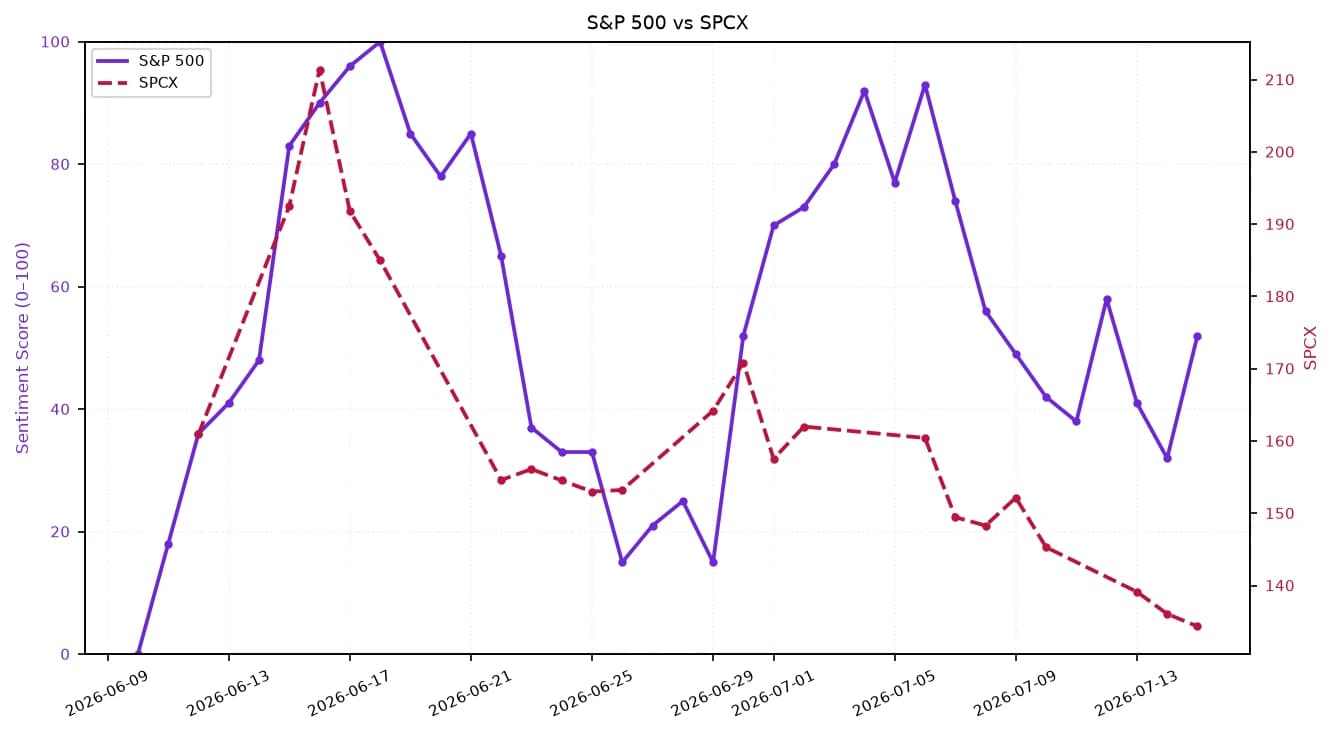
Sentiment IndicatorsⓘProprietary · adalytica.com · September 22, 2026
This is a snapshot — live sentiment, awareness and momentum for 130+ markets update continuously in the dashboard.Open AlphaPulse
Luis Añez, head of the Bolivian Transport Chamber, said the new diesel price “hits the sector” and warned that the impact will extend beyond fuel to lubricants, tires and spare parts. Those are core inputs for long-haul trucking, so even a modest fuel adjustment can quickly squeeze profitability and trigger rate negotiations across the supply chain.
The government has defended the subsidy removal as a fiscal necessity, saying it costs about $55 million a week, or more than $2.6 billion a year, and distorts the market by encouraging smuggling and illegal resale. Officials say those funds will be redirected to social programs, productive investment and infrastructure, but the near-term effect is likely to be higher logistics costs.
For investors and businesses, the issue matters because freight is a transmission channel for inflation. Higher trucking tariffs can lift the price of food, industrial goods and imports, complicating any effort to stabilize consumer prices while adding pressure on retailers and manufacturers already facing tighter operating conditions.
Transport chambers will first meet at the departmental level before convening a national gathering to decide on coordinated action. The next test will be whether rate hikes are phased in gradually or passed through quickly, which will shape how sharply the diesel reform ripples through Bolivia’s supply chain in the weeks ahead.
| Entity | Gains | Losses |
|---|---|---|
| Bolivian government | ▲Lower subsidy burden | ▼Short-term price pressure |
| Heavy transport firms | ▲Ability to reset rates | ▼Higher operating costs |
| Consumers and shippers | ▲Better fuel pricing transparency | ▼Higher freight and goods prices |
| Fuel importers and formal suppliers | ▲Less subsidized distortion | ▼More cost volatility |