Bold is trying to turn its payments network into a broader lender for small businesses, a shift that could determine whether one of Colombia’s fastest-growing fintechs can keep expanding without relying on card processing alone.
Bold expands SME lending beyond card payments
The company already handles close to 20 billion pesos a year in card transactions, or about 7% of Colombia’s card volume, and has built a base of more than 600,000 merchants since launching its first point-of-sale terminals in 2020. Now it wants to deepen credit, using transaction data from those terminals to underwrite loans for merchants that often lack formal financial records.
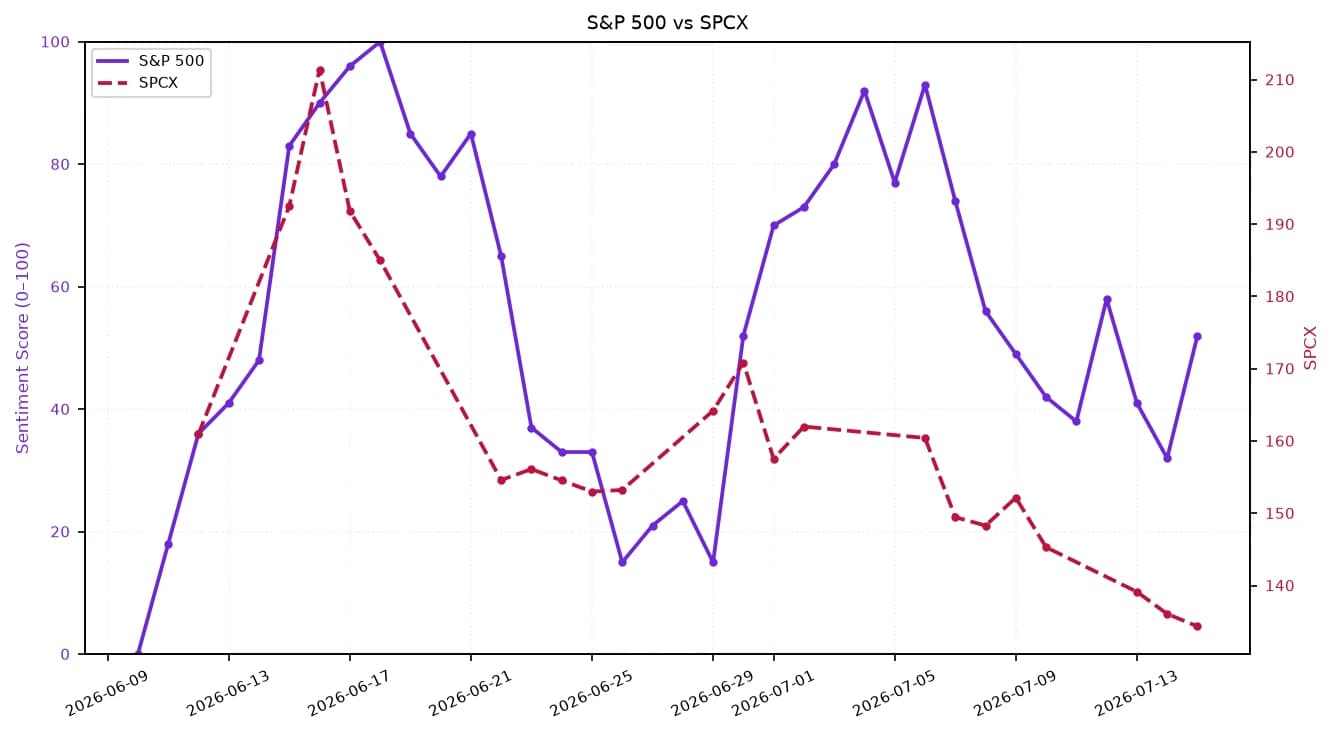
Sentiment IndicatorsⓘProprietary · adalytica.com · September 21, 2026
This is a snapshot — live sentiment, awareness and momentum for 130+ markets update continuously in the dashboard.Open AlphaPulse
That model matters because it targets a structural gap in Latin America’s SME finance market. In Colombia, micro and small firms make up more than 95% of businesses and generate about 80% of formal employment, yet they remain underserved by banks that prefer larger, better-documented borrowers. Bold says it already has around 150,000 customers using its digital account and a credit portfolio approaching 300 billion pesos, but management sees the business still in its early stages.
For investors, the credit expansion changes the economics of the platform. Payments can bring in merchants, but lending can deepen engagement, increase recurring revenue and raise lifetime customer value. It also carries more risk: underwriting based on cash-flow data can widen access, but it exposes the company to losses if merchant activity weakens or if the payments data proves less predictive in a downturn. That is the same tension now visible across fintech and payments peers, where lending is increasingly used to boost monetization but demands tighter risk controls and more capital.
José Vélez, Bold’s founder and chairman, said the company is building what he calls a digital bank for SMEs, with accounts, debit and credit cards, lending and software all tied to the same merchant relationship. In Colombia, Bold already has a financial company license that lets it offer banking-like services, including access to the central bank payments system. That gives it a broader regulatory base than a pure payments processor and helps explain why the company says its next chapter is about credit rather than terminals.
The growth case extends beyond Colombia. Bold bought a portfolio of 30,000 customers in Peru about a year ago and is seeking a financial license there, signaling that the same SME-led model could be replicated in other fragmented banking markets. The strategy, however, depends on whether Bold can keep improving user experience and underwriting while maintaining low servicing costs.
The company’s ambition is clear: turn a merchant-acquiring business into a regional SME finance franchise. Whether that becomes the defining advantage or a source of credit-cycle risk will likely decide how far Bold can scale from here.
| Entity | Gains | Losses |
|---|---|---|
| Bold | ▲Higher-margin lending | ▼Pure payments growth story |
| Small merchants | ▲Easier credit access | ▼Reliance on one fintech |
| Traditional banks | ▲— | ▼SME lending share |
| Competitor fintechs | ▲— | ▼Market share in SME finance |