Warren Buffett has stepped down as chairman of Berkshire Hathaway, ending one of the most consequential leadership eras in American capitalism and forcing investors to test whether the conglomerate’s culture can outlast the man who built it.
Berkshire Hathaway Buffett steps down as chairman
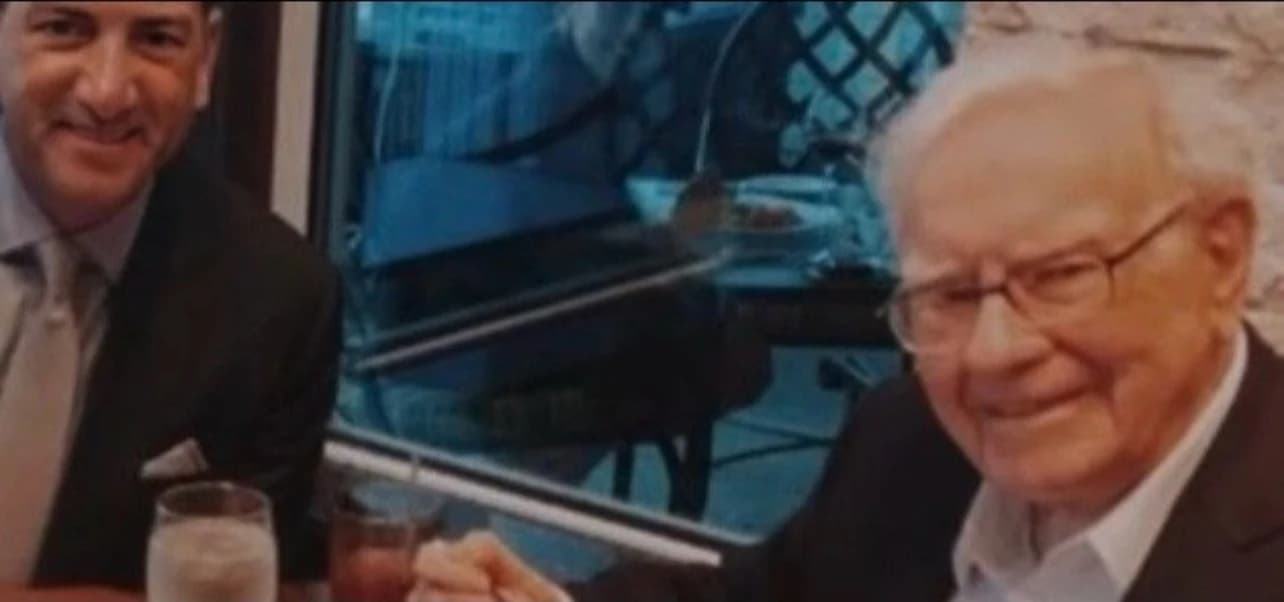
The real market story is not the symbolism of a 96-year-old legend leaving the stage. It is the transition of control at a $1 trillion empire sitting on $365.5 billion in cash, with the fate of that capital now resting more squarely on Greg Abel’s ability to deploy it and Howard Buffett’s role in preserving the Berkshire culture that made the machine work for six decades.
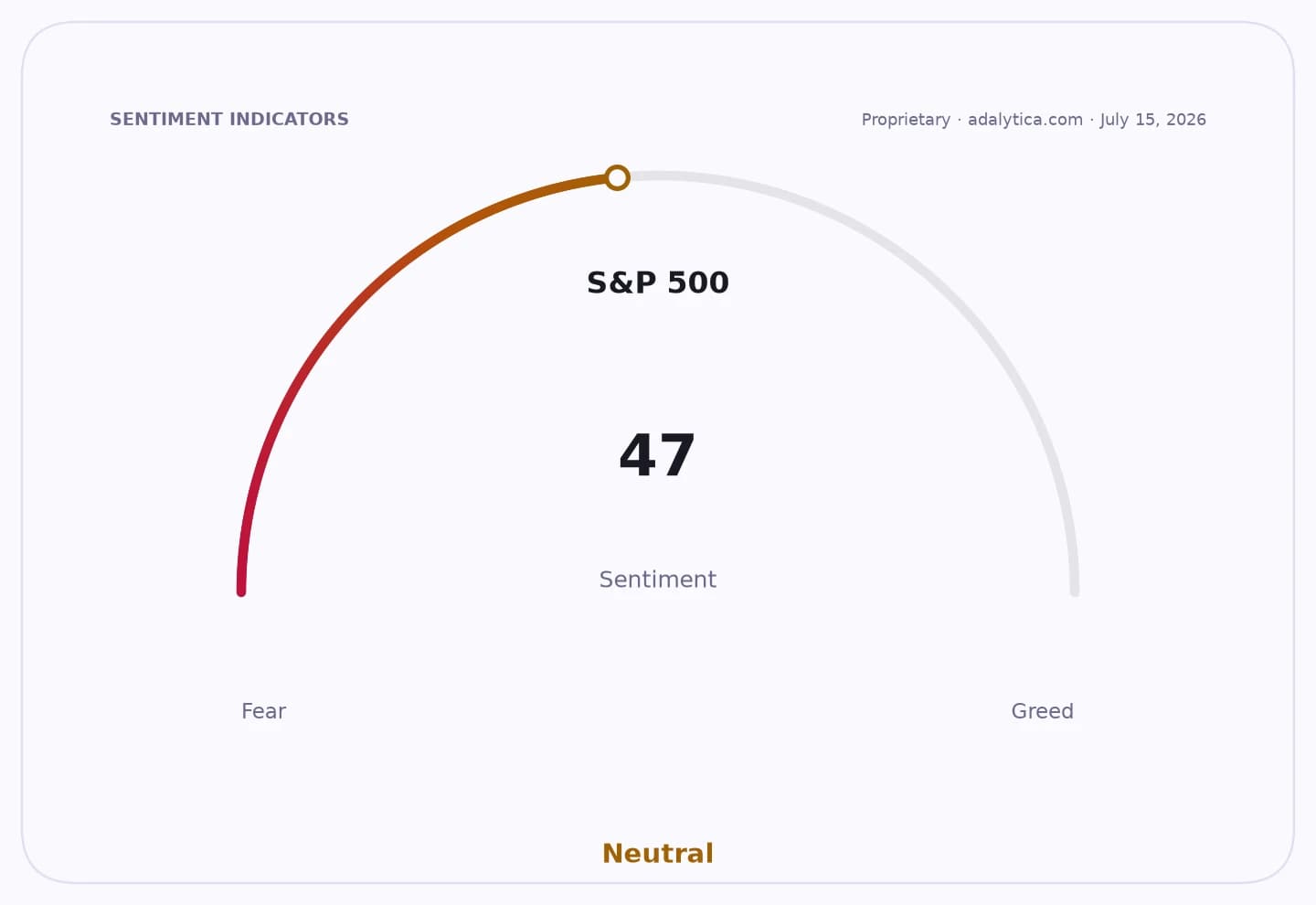
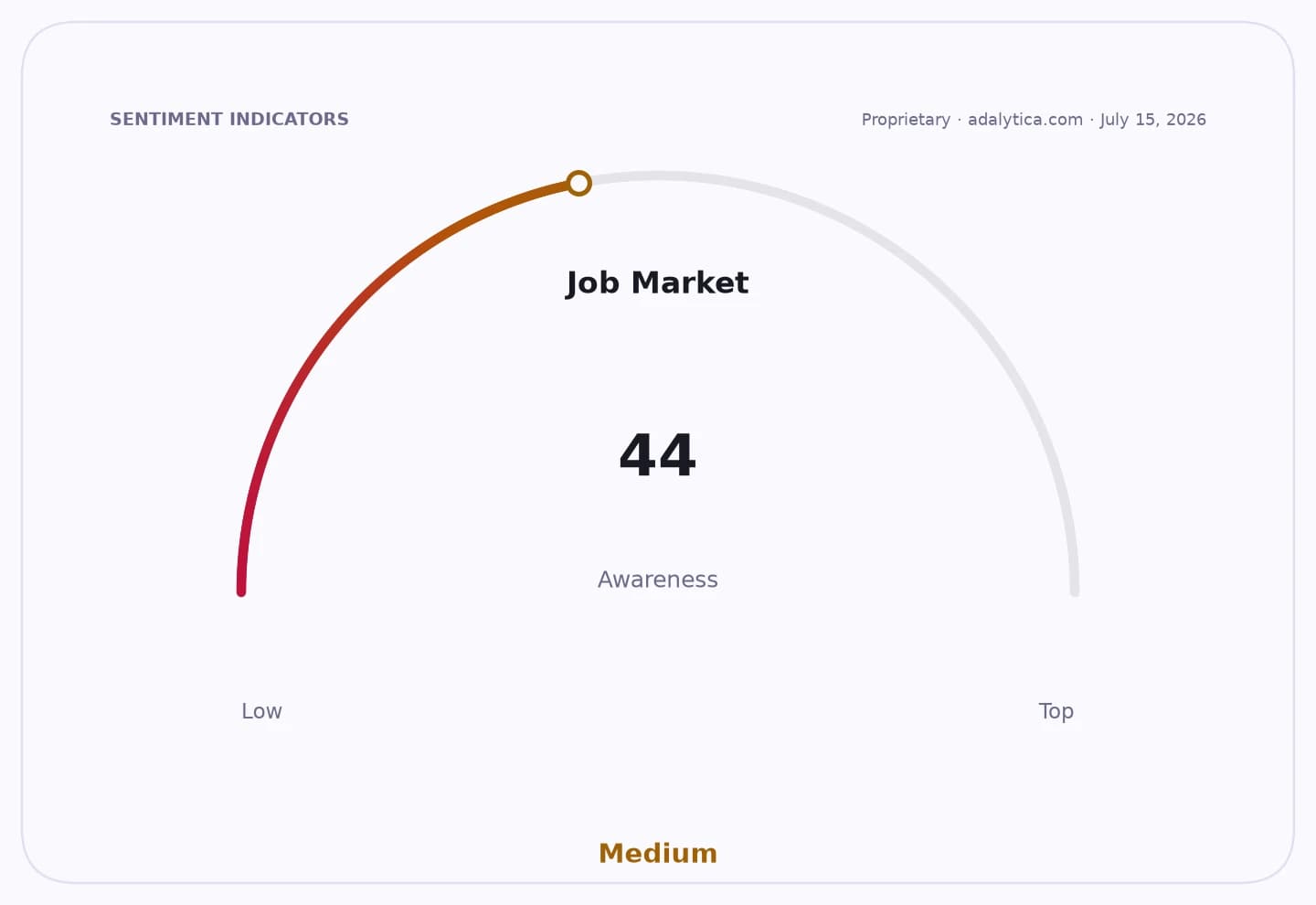
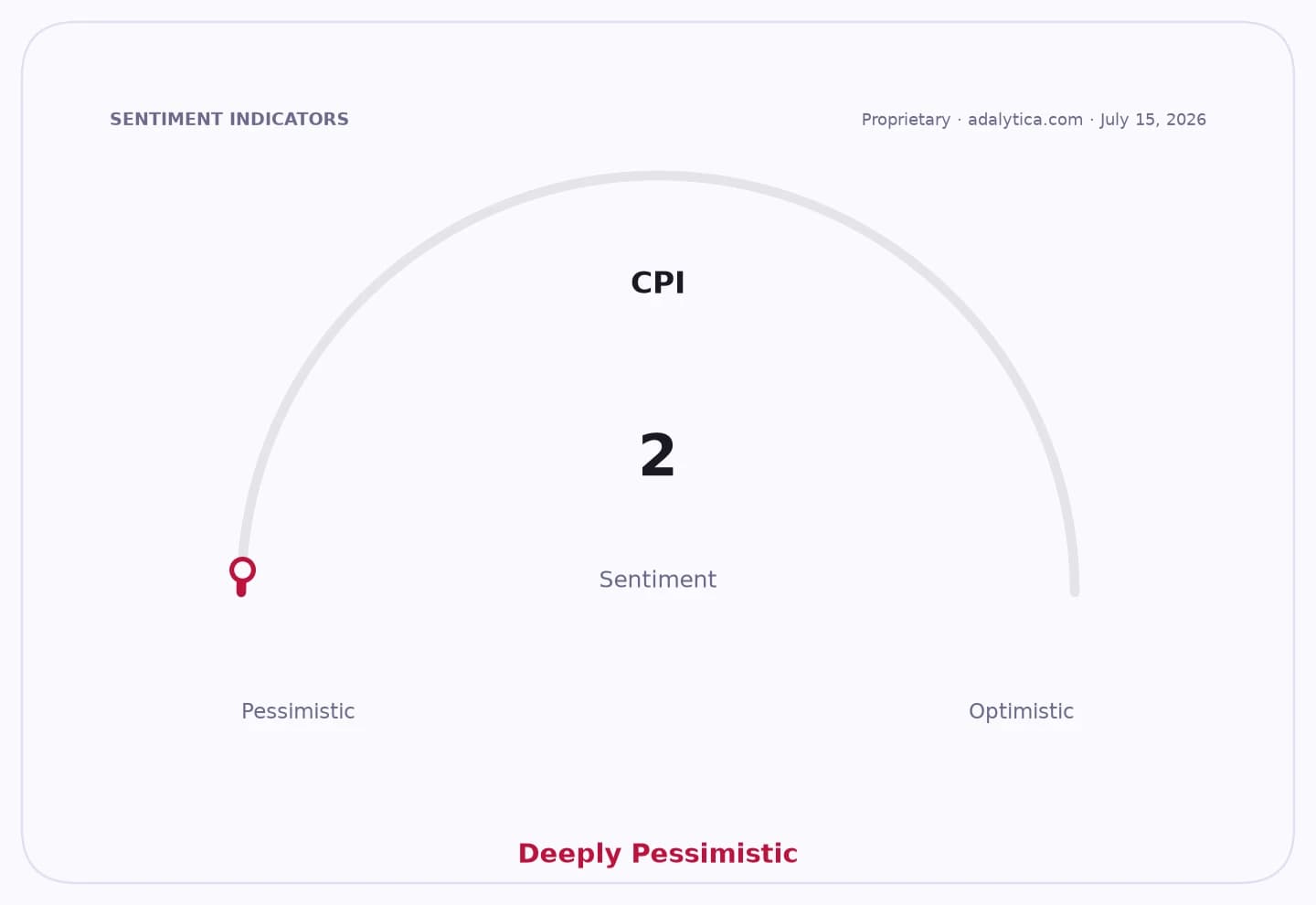
Sentiment IndicatorsⓘProprietary · adalytica.com · September 20, 2026
This is a snapshot — live sentiment, awareness and momentum for 130+ markets update continuously in the dashboard.Open AlphaPulse
That matters because Berkshire is not just another blue-chip company. It is one of the market’s largest capital allocators, a sprawling owner of insurers, industrials, railroads and utilities, and a barometer for whether disciplined, patient investing still works in a market increasingly dominated by AI hype, speculative growth and momentum trading. Buffett’s average annual compounded return of 19.7% since 1965, nearly double the S&P 500’s pace, created an almost impossible standard for the next regime.
Investors have already been voting with their feet. Berkshire shares have lagged the broader market this year, rising just 1% while the S&P 500 has climbed more than 11%, a gap that reflects both Berkshire’s comparatively muted exposure to the hottest growth names and the market’s preference for faster-expanding earnings stories. The stock’s recent moves also show the transition is happening against a backdrop of volatility, with Berkshire-B shares trading around $509.77 and technically holding above the 50-day moving average but below recent highs, while the broader market remains supported even as risk appetite has shifted sharply between fear and greed.
The succession had been carefully choreographed. Abel took over as chief executive in 2025, Buffett remained chairman until now, and Howard Buffett will serve as chairman from here, with Susan Decker continuing as lead independent director. That split is important: Abel runs operations and capital deployment, while Howard is being positioned as guardian of values and governance. Buffett himself framed his son as a kind of insurance policy for Berkshire’s culture — something shareholders may hope never to need, but will be glad is there.
The operating backdrop is still formidable. Berkshire generated $44.5 billion of operating profit last year and employs nearly 400,000 people. The company’s balance sheet remains a war chest, and Abel has already shown he is willing to lean in, lifting share repurchases to $4.5 billion in the second quarter. That is a signal investors should not ignore: Berkshire is entering its post-Buffett chapter with enormous financial flexibility and a management team that appears ready to keep the buyback engine running if the shares stay attractive.
Buffett has also shown he is not fading into irrelevance quietly. This year he disclosed that he was the main driver behind Berkshire’s $10 billion stake in Alphabet, now its third-largest holding after Apple and American Express. That tells investors the portfolio is not frozen in amber. Even in the final phase of his chairmanship, Buffett was still making big, high-conviction moves into technology infrastructure and internet platforms — the kind of exposure the market often assumes Berkshire avoids.
For investors, the key question is whether Berkshire becomes a “transition discount” stock or a renewed compounder under Abel. I believe the market underestimates how much Berkshire’s next leg can still be driven by cash deployment, buybacks and a culture of capital discipline, even without Buffett at the helm. If Abel can convert that $365.5 billion cash pile into sensible acquisitions, opportunistic repurchases and selective equity stakes, Berkshire could remain one of the most attractive large-cap defensive growth stories in the market.
The takeaway is simple: Buffett’s retirement closes the most iconic chapter in modern investing, but it does not end the Berkshire thesis. If anything, it creates a new one. The opportunity now is to own a company with fortress liquidity, durable cash generation and a succession plan already in place — before the market fully decides that Berkshire can thrive in a post-Buffett world.
| Entity | Gains | Losses |
|---|---|---|
| Berkshire Hathaway | ▲succession clarity | ▼founder aura |
| Greg Abel | ▲control of capital | ▼direct Buffett comparison |
| Howard Buffett | ▲governance role | ▼pressure to preserve legacy |
| S&P 500 rivals | ▲valuation premium from growth | ▼Berkshire-style discipline benchmark |