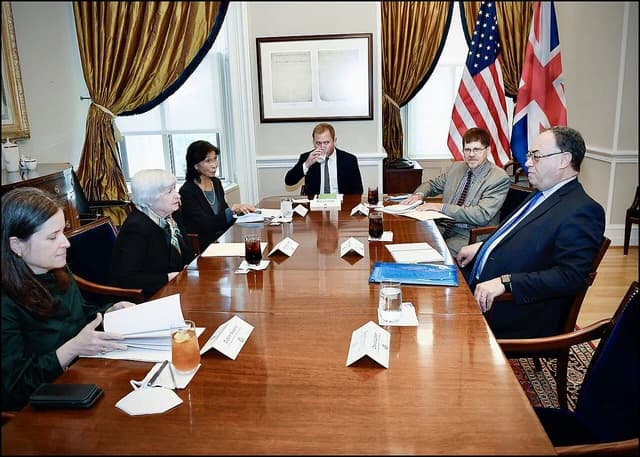
The Bank of England left rates unchanged at 3.75%, a move that should keep pressure on the pound if traders conclude the central bank is closer to easing than hiking.
Bank of England holds rates at 3.75%

That matters because sterling has been trading as an inflation-sensitive currency rather than a growth story: the market wants proof that Britain’s price pressures are broad enough to force the BoE into a tougher stance. Instead, the latest data showed headline CPI at 3.1% in August, but core inflation held at 2.6% for a fourth straight month, reinforcing the view that the spike is being driven more by energy than by a lasting wage-price spiral.
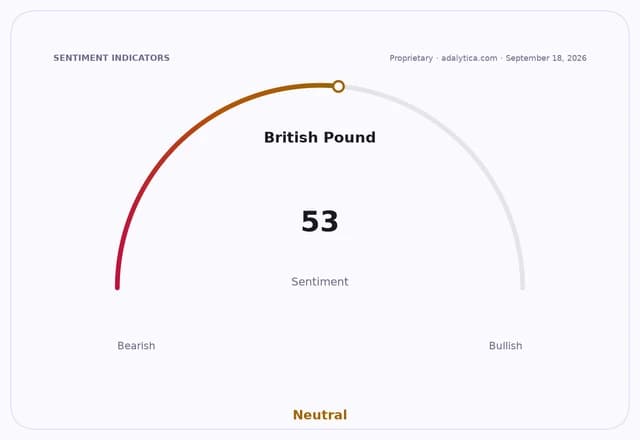
Sentiment IndicatorsⓘProprietary · adalytica.com · September 18, 2026
This is a snapshot — live sentiment, awareness and momentum for 130+ markets update continuously in the dashboard.Open AlphaPulse
For investors, that combination is a classic setup for a weaker currency and a more defensive gilt market. The pound was already sitting near a monthly low around $1.3464, and FX screens suggest positioning has become crowded enough that even a mildly dovish Bank of England can trigger another leg lower. Adalytica’s British pound trade signals were neutral, but awareness was elevated, while the U.S. dollar sat in extreme-greed territory, a backdrop that leaves sterling vulnerable if the BoE fails to validate hawkish hopes.
The decision also underscores how quickly the inflation narrative has changed. A few months ago, markets had been looking for the BoE to start cutting in 2026. The jump in energy prices tied to geopolitical shocks pushed those expectations back toward tighter policy, with traders now assigning some odds to a 25-basis-point move to 4% in November. But the labor market is doing the Bank’s work for it: softer hiring, tame core inflation and only a modest pickup in prices argue against an immediate hike.
That is why the pound’s reaction matters as much as the rate call itself. FX markets rarely wait for the headline when the real trade is about guidance, and the absence of a sharp move into the decision suggests investors are braced for caution rather than conviction. If Governor Andrew Bailey’s message leans toward patience, sterling could underperform even with inflation above target, because markets will infer the Bank sees the economy weakening faster than prices are accelerating.
For bond investors, the message is more nuanced. The yield curve can still absorb one more hike if November remains live, but the path beyond that looks less aggressive than the market was pricing after the energy shock. That supports selective duration exposure and argues against chasing a strong pound bet until wage data or services inflation reaccelerate.
The investable takeaway is straightforward: the Bank of England’s hold is not a green light for sterling bulls. It is a warning that Britain may be entering the kind of stagflation-lite environment where inflation stays sticky, growth softens and the currency absorbs the first blow. In that setup, the better opportunities are in defensive exporters, dollar earners and rate-sensitive assets that benefit if the pound keeps losing altitude.
| Entity | Gains | Losses |
|---|---|---|
| Dollar bulls | ▲Stronger USD demand | ▼Sterlings rebound |
| UK exporters | ▲More competitive revenues | ▼Imported inputs cost more |
| UK borrowers | ▲No immediate rate hike | ▼Higher rates later if BoE tightens |
| Sterling longs | ▲— | ▼Weaker pound risk |