The Bank of England has moved to shield UK government bonds from a further supply shock, suspending sales from its £488 billion gilt portfolio until April and ending sales of long-dated bonds in a sharp reversal of its quantitative tightening plan.
Bank of England suspends gilt sales until April

That matters because gilt yields had been rising even as the BoE kept its policy rate unchanged at 3.75% for a sixth straight meeting, leaving investors to absorb not just higher borrowing costs but also heavy central-bank supply. By dialing back QT, the BoE is effectively easing pressure on a market already rattled by inflation persistence, fiscal concerns and a global selloff in sovereign debt.
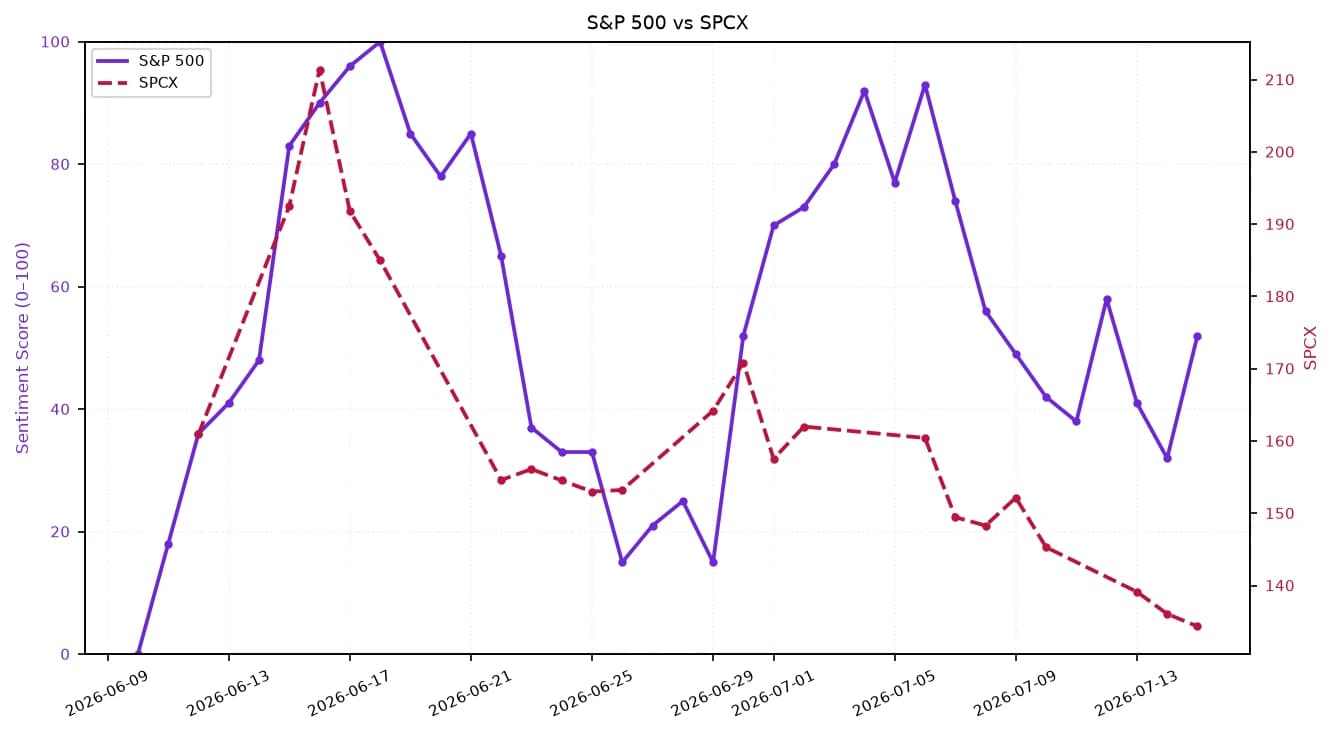
Sentiment IndicatorsⓘProprietary · adalytica.com · September 20, 2026
This is a snapshot — live sentiment, awareness and momentum for 130+ markets update continuously in the dashboard.Open AlphaPulse

The clearest immediate effect was in the front end of the curve, where the two-year gilt yield fell 10 basis points after the announcement, its biggest drop in four months, after recently climbing to the highest level since 1998. For a market that had been pricing tighter financial conditions for longer, the move signalled that the central bank is willing to use its balance sheet to stabilise market functioning even while holding rates steady.
The policy shift is economically significant because gilt yields feed directly into mortgage pricing, corporate borrowing costs and the government’s own financing bill. Lower yields could ease some of the pressure on Prime Minister Andy Burnham’s fiscal plans ahead of Chancellor John Healey’s first budget on Oct. 28, where tax and spending choices are expected to be shaped by a fragile inflation backdrop and elevated debt-service costs.

Andrew Bailey said the BoE had “announced a big move today” after long planning, underscoring that the adjustment is not a knee-jerk response to market volatility but a recognition that the composition of QT matters as much as the pace. By stopping sales of long-dated paper entirely, the bank is targeting the segment most vulnerable to duration risk and fiscal anxiety, where supply can have an outsized effect on borrowing costs.
For investors, the message is that policy support may be arriving through the bond market rather than the policy rate. That is constructive for duration holders and UK rate-sensitive assets, while it may be less welcome for investors who had been betting that gilt yields would keep climbing on the back of fiscal slippage and persistent inflation. The move also aligns the BoE more closely with the Debt Management Office and Treasury, a coordination that could help smooth the yield curve.
The bull case is that fewer gilt sales reduce term-premium pressure at a time when markets are already digesting higher global inflation and large sovereign issuance. The bear case is that QT relief does not solve the underlying problem if inflation remains sticky and the October budget disappoints, in which case yields could resume their climb once the supply pause ends.
The next test is whether the BoE’s reform proves enough to stabilise the gilt market into year-end and whether the government can use the breathing room to present a budget that reassures investors on debt sustainability without deepening the slowdown.
| Entity | Gains | Losses |
|---|---|---|
| UK gilts | ▲Lower supply pressure | ▼Less support from higher yields |
| BoE | ▲Market stability | ▼Less balance-sheet runoff |
| UK government | ▲Easier funding conditions | ▼Less room for fiscal drift |
| Bond bears | ▲Short-covering risk | ▼Momentum in yields fades |