Azerbaijan is facing a more sophisticated airborne drug-smuggling campaign from across its border with Iran, and that matters because it raises the cost and complexity of policing one of the South Caucasus’ most sensitive frontiers.
Azerbaijan Seizes Drugs in Border Paraglider Raid
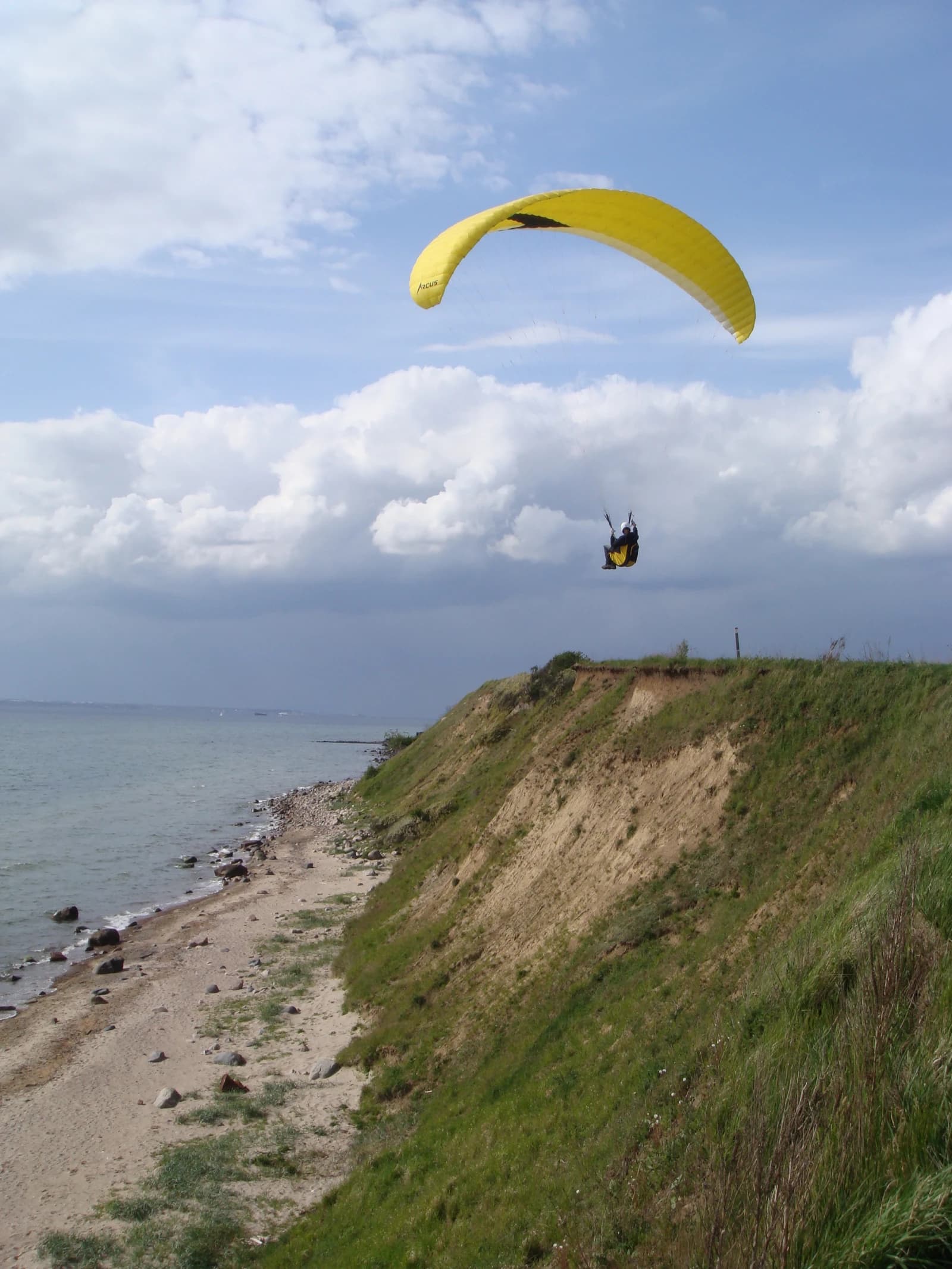
The State Border Service says it has now intercepted multiple aerial shipments this year, culminating in a 16 November case in which guards detained an Iranian national piloting a powered paraglider and seized more than 21 kilograms of drugs, along with 4,000 methadone tablets. The cargo included cannabis and opium, underscoring that this is not a one-off stunt but part of a persistent trafficking route that is adapting to security pressure.
Sentiment Indicators
For investors, the story is less about narcotics in the abstract than about border security, geopolitical risk and the resources governments must commit to counter it. Azerbaijan has repeatedly said smugglers first used drones and then moved to piloted paragliders, a shift that suggests traffickers are willing to take on greater risk to move larger loads. In September, the border service said a paraglider dropped 65.5 kilograms of drugs — roughly three times the biggest drone payload it said it had seen this year — before the latest seizure showed the tactic was still being used in November.
That escalation matters economically because border insecurity does not stay isolated at the frontier. It increases pressure on customs, surveillance, policing and military assets, and it can complicate trade flows, logistics and investment sentiment in a region already shaped by tension with Iran. Most of the incidents cited by the border service happened at night and along the Horadiz and Geytepe sectors, which sit close to the Iranian border, suggesting traffickers are exploiting predictable gaps in coverage.
There is also a foreign-policy angle that matters to markets. Washington has long tied some assistance to Azerbaijan to border security conditions under Section 907 waiver language, meaning Baku’s anti-smuggling operations are not just a domestic law-enforcement issue but part of the framework governing its cooperation with the United States. In practical terms, better border enforcement can support continued security aid, while a deterioration would add another layer of risk to an already tense bilateral landscape.
The latest seizure also fits a broader pattern of friction between Baku and Tehran. Azerbaijan has accused Iran this year of drone attacks on Nakhchivan, allegations Tehran denied. Iran has not commented on the smuggling reports, and Baku has not identified any wider network behind the flights. Even so, the repeated incidents show that smugglers are testing the border with increasingly creative methods, and that the authorities are still playing catch-up.
For long-term investors, the takeaway is straightforward: border tension is becoming a structural feature of the Azerbaijan-Iran relationship, not an occasional headline. That usually supports security spending and state urgency, but it can also keep a geopolitical risk premium attached to the region. The best response is patience, diversification and close attention to whether enforcement actually improves or simply forces smugglers to innovate again.
| Entity | Gains | Losses |
|---|---|---|
| Azerbaijan border forces | ▲More justification for funding | ▼Higher enforcement burden |
| Iranian smugglers | ▲Larger payload attempts | ▼Detentions and seizures |
| U.S.-Azerbaijan security ties | ▲Stronger border-security case | ▼Risk if cooperation frays |
| Regional investors | ▲Clarity on security priorities | ▼Higher geopolitical risk premium |