Australia’s opposition has tied a major cost-of-living promise to the next oil shock, saying it would halve the fuel excise and trim about $15 from the average tank when Brent crude averages more than $US100 a barrel for two weeks.
Australia Coalition Fuel Excise Cut Plan
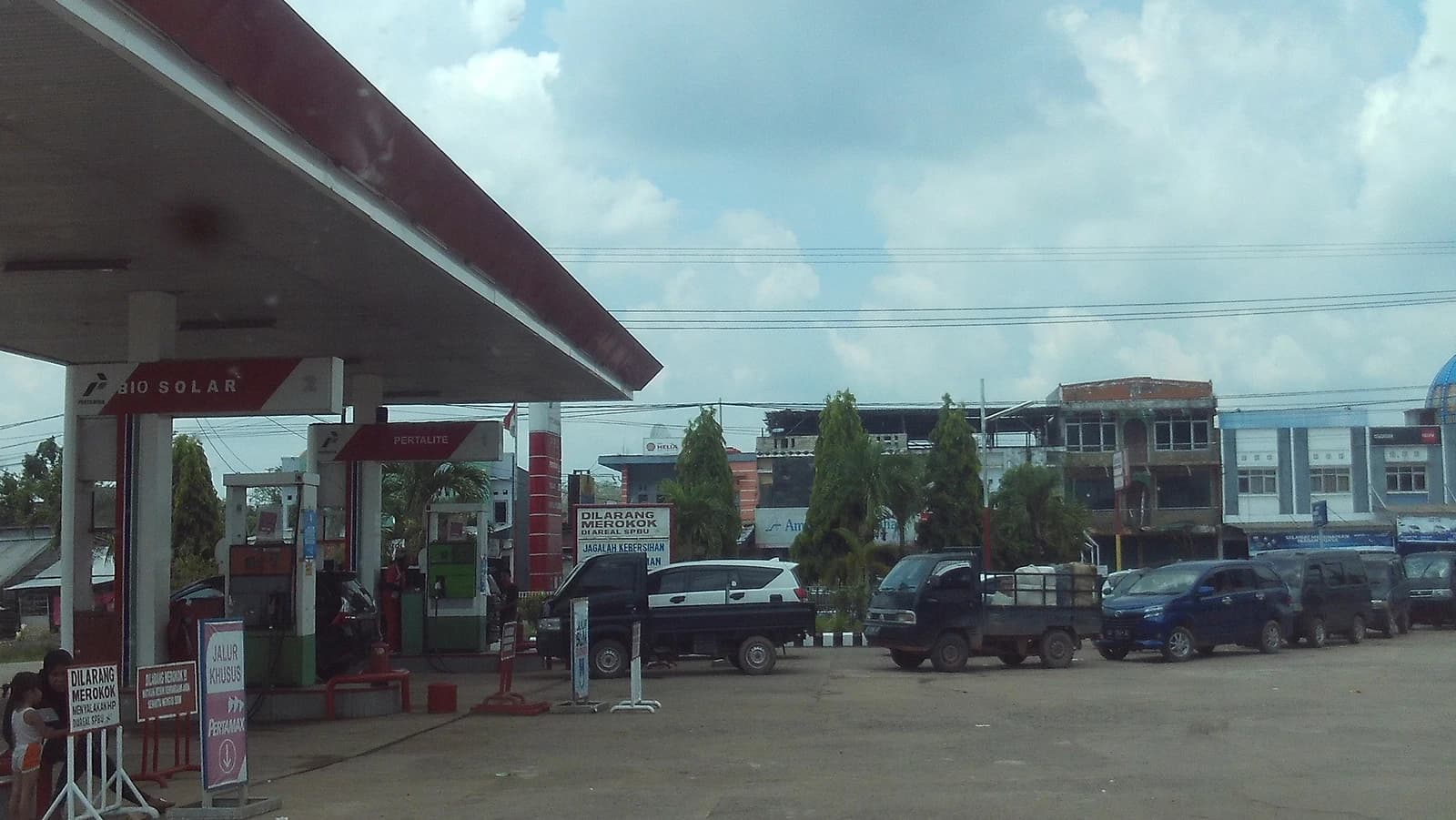
The policy matters because fuel is one of the quickest channels through which global energy spikes feed into household budgets, transport costs and broader inflation. By setting a trigger linked to a sustained jump in Brent, the Coalition is trying to position itself as ready to cushion motorists if Middle East tensions or other supply disruptions push crude back into triple digits.
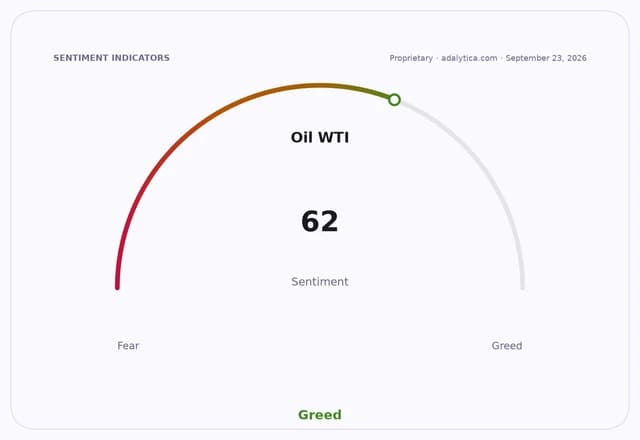
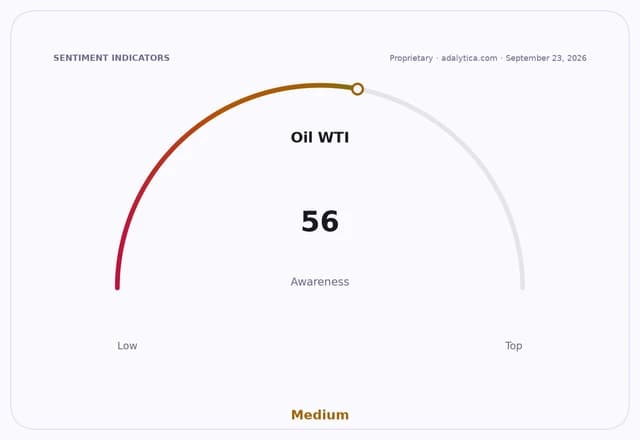
Sentiment IndicatorsⓘProprietary · adalytica.com · September 23, 2026
This is a snapshot — live sentiment, awareness and momentum for 130+ markets update continuously in the dashboard.Open AlphaPulse
Under the plan, branded “Fuel Price Shield,” the Coalition would cut the excise from 52.6 cents a litre to roughly 26 cents a litre when the benchmark threshold is met, a move it says would lower petrol prices by about 27 cents a litre. It also wants to scrap the 32-cent road user charge for heavy vehicles, extending relief beyond drivers to freight and goods transport, where fuel costs can quickly flow through to supermarket prices and other essentials.
The party says the measure would be fully funded by reducing the tobacco excise, with modelling from the Parliamentary Budget Office putting the tobacco-tax savings at $8 billion. That funding claim is central to the political fight, because Treasurer Jim Chalmers has dismissed the plan as “uncapped and unfunded” and said the government is not considering any new fuel excise cut.
Economically, the proposal is a classic trade-off between immediate consumer relief and inflation management. Independent economist Chris Richardson argued a fuel-tax cut acts as a “bad band-aid” because it leaves households with a lower bowser bill but adds spending power elsewhere in the economy, potentially stoking prices more broadly. That view reflects the standard concern among economists: excise cuts can blunt headline inflation for a time, but they do not change the underlying oil price shock and can complicate monetary policy if demand remains firm.
The timing gives the policy real market relevance. Benchmark oil has climbed above $US100 a barrel in recent trading, with the front-month WTI contract also showing the kind of volatility that can quickly filter into retail fuel prices. Shares and sector sentiment have reflected that tension: energy equities have strengthened, while the broader macro backdrop still shows elevated price pressure, even if recession indicators remain muted. For investors, that means the policy is less about a one-off political pledge than about how governments may respond if another crude spike hits consumers already facing high rates and sticky living costs.
There is also a distributional angle. The biggest winners from a temporary excise cut would be motorists, freight operators and sectors with high diesel exposure. The losers would be the federal budget, which would forgo revenue, and potentially the inflation fight if lower fuel taxes kept consumer demand stronger than otherwise. Tobacco consumers would also face the offsetting burden of a much steeper excise cut, a move the government argues would increase smoking and vaping.
For markets, the key question is whether the global oil rally is temporary or the start of a more durable supply squeeze. If Brent stays above the Coalition’s trigger, pressure will build on Canberra to match relief measures seen elsewhere, including tax cuts in Europe. If prices retreat, the plan becomes a political talking point rather than an economic lever. Either way, the announcement underlines how quickly fuel costs can move from the oil market into the centre of Australian fiscal and inflation policy.
| Entity | Gains | Losses |
|---|---|---|
| Australian motorists | ▲Lower petrol bills | ▼— |
| Freight operators | ▲Lower diesel costs | ▼Federal tax revenue |
| Coalition | ▲Cost-of-living pitch | ▼Budget scrutiny |
| Treasury / inflation fighters | ▲— | ▼Higher spending pressure |