Athens International Airport has won its first investment-grade ratings from Moody’s and S&P Global after a heavily oversubscribed €500 million bond sale, a financing step that lowers its cost of capital and gives the airport more room to refinance debt and fund expansion.
Athens International Airport Wins First Investment Grade
The upgrade matters because it moves AIA into a broader pool of institutional demand at a time when European borrowers are still balancing higher-for-longer interest rates against the need to refinance maturing liabilities. Moody’s assigned Baa1 with a stable outlook and S&P rated the company BBB+ with a stable outlook, both one notch above the level the bond itself initially carried. For investors, that is a meaningful validation of the airport’s cash generation and traffic-linked resilience.
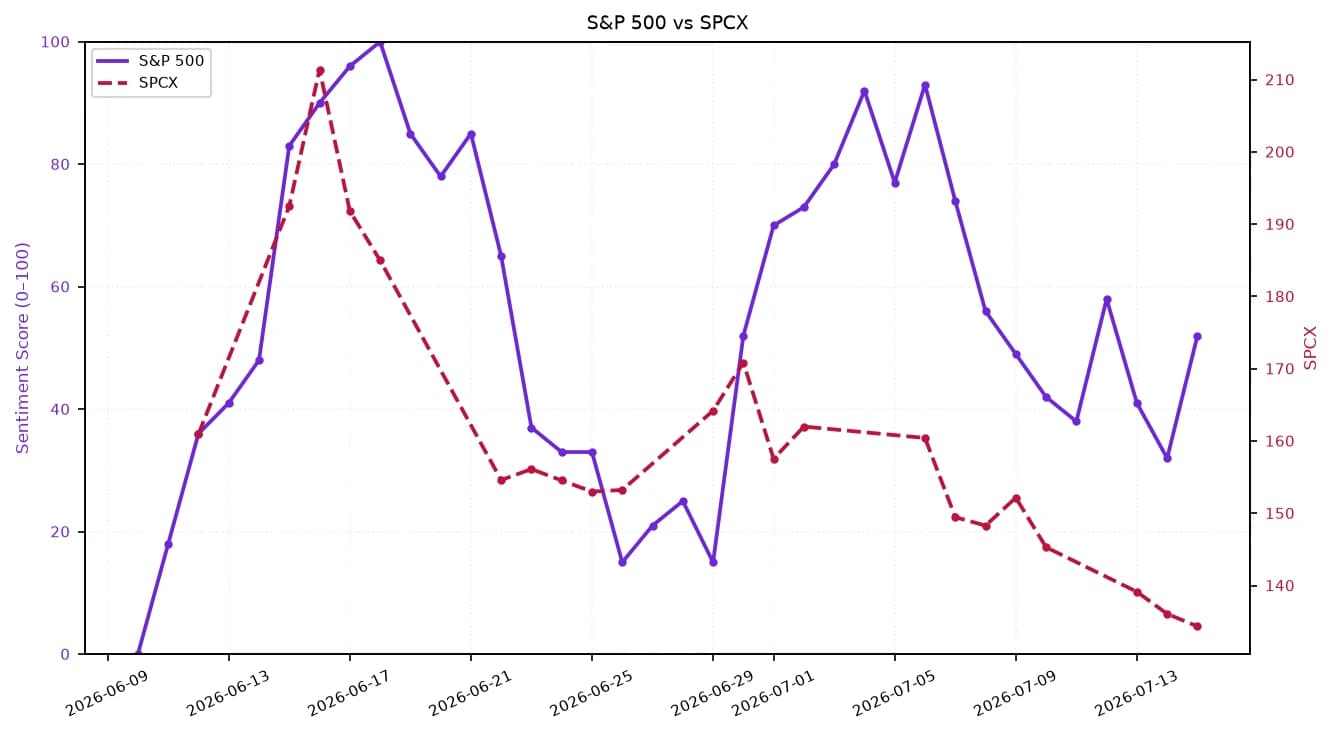
Sentiment IndicatorsⓘProprietary · adalytica.com · September 22, 2026
This is a snapshot — live sentiment, awareness and momentum for 130+ markets update continuously in the dashboard.Open AlphaPulse
The transaction drew more than €2.6 billion of orders, about 5.2 times the amount on offer, allowing AIA to price the 2033 notes at 3.75% and 99.469% of face value. In debt markets, that kind of demand usually signals confidence not only in the issuer’s balance sheet but also in the durability of the underlying business model. Airports sit in a relatively defensive part of the infrastructure universe: revenues are tied to travel volumes, commercial activity and regulated charges, but they also benefit from high barriers to entry and long-lived assets.
For AIA, the bond is doing two jobs at once. It refinances existing borrowings and provides capital for general corporate purposes, including investment. That combination is important because it can improve maturity profiles while preserving liquidity for growth. If the company can fund expansion without relying on expensive bank loans, it may protect margins and support shareholder returns over time.
The rating action also has broader significance for Greek corporate credit. An airport operator coming through with a strong eurobond deal and investment-grade standing reinforces the view that selected Greek issuers can now access deep international capital markets on terms closer to western European peers. That helps reduce reliance on domestic bank funding and may encourage other large local borrowers to test demand.
There are still limits to the bullish case. Airport traffic is exposed to macro shocks, tourism cycles and geopolitical disruptions, while the new debt still adds leverage even if it replaces older borrowings. But the combination of oversubscription, investment-grade recognition and pricing below par suggests investors see AIA as a rare regional credit with scale, visibility and tangible asset backing.
For bondholders, the near-term takeaway is straightforward: AIA has probably locked in cheaper and longer-dated funding than it could have achieved without the upgrade. For equity investors, the question is whether management uses the improved balance-sheet profile to accelerate investment without sacrificing returns. The next test will be how quickly the new funding translates into capacity expansion and earnings growth.
| Entity | Gains | Losses |
|---|---|---|
| AIA | ▲Lower funding costs | ▼Higher leverage |
| Bond investors | ▲Investment-grade exposure | ▼Limited yield pickup |
| Greek corporate credit | ▲Stronger market access | ▼Repricing pressure on weaker issuers |
| Existing lenders | ▲Refinanced exposure | ▼Lost interest income |