Río Cuarto’s sharp rise in debt arrears among people under 25 is a warning sign that Argentina’s household credit stress is increasingly concentrated in the youngest borrowers, where nearly four in 10 are already behind on payments.
Argentina Río Cuarto youth debt arrears near 40%
The Debt Map, based on Central Bank data, shows delinquency in the department in southern Córdoba approaching 40% for the under-25 cohort, the highest rate across age groups and far above older borrowers, whose arrears fall steadily with age. The unpaid balances run from 1.1 million pesos to 4.08 million pesos, underscoring how quickly short-term consumer borrowing can become unmanageable when wages lag prices and job prospects are weak.
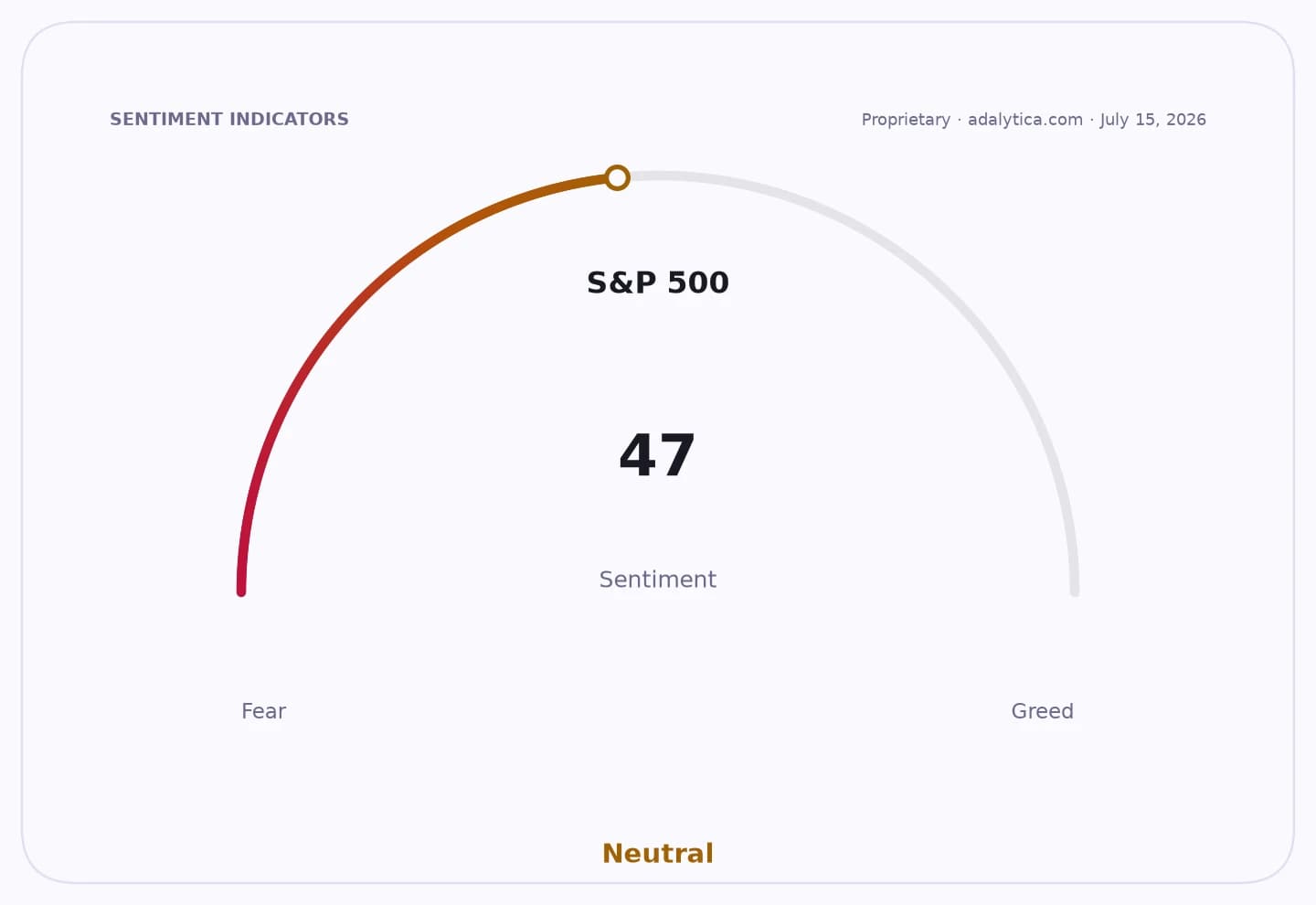
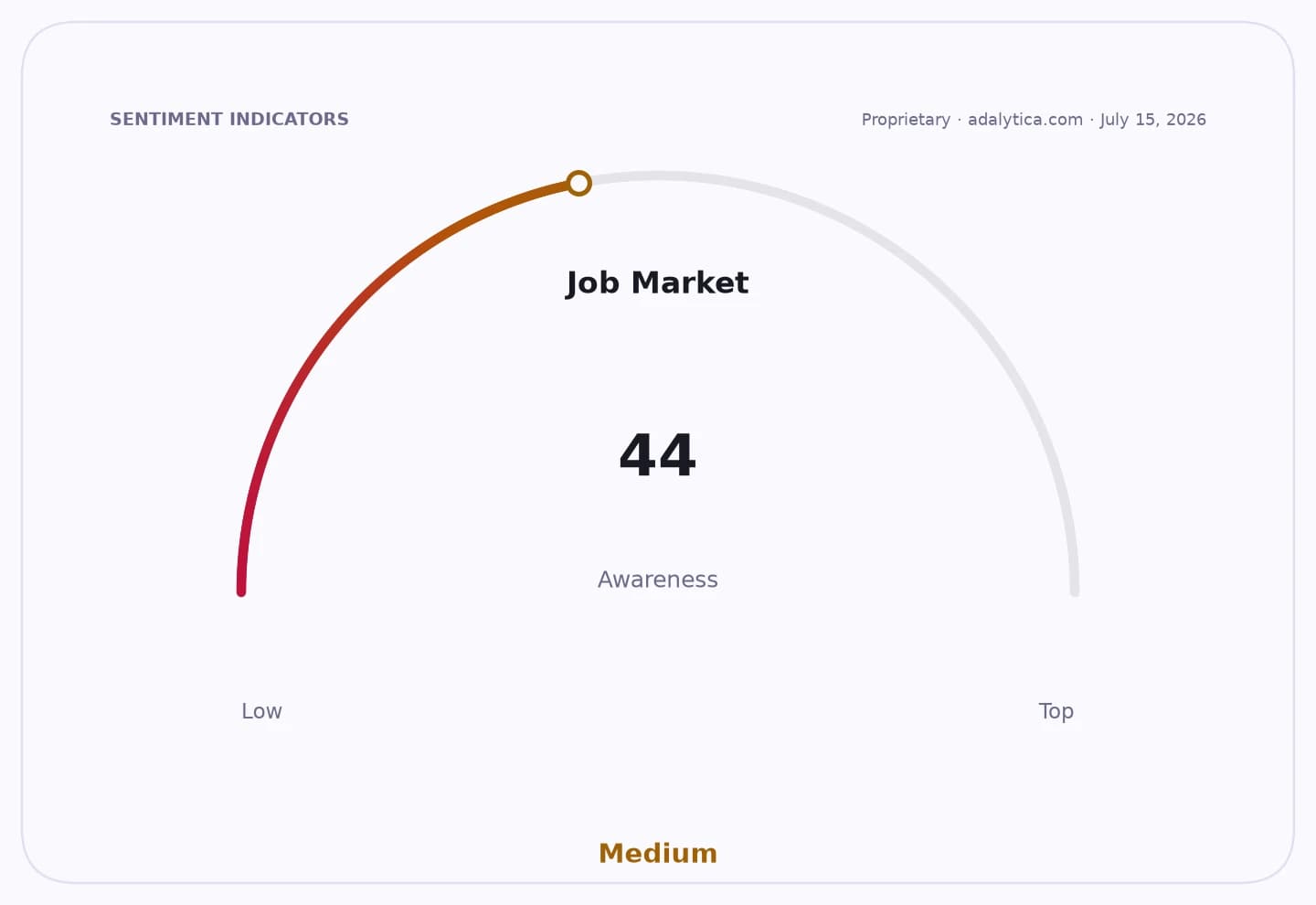
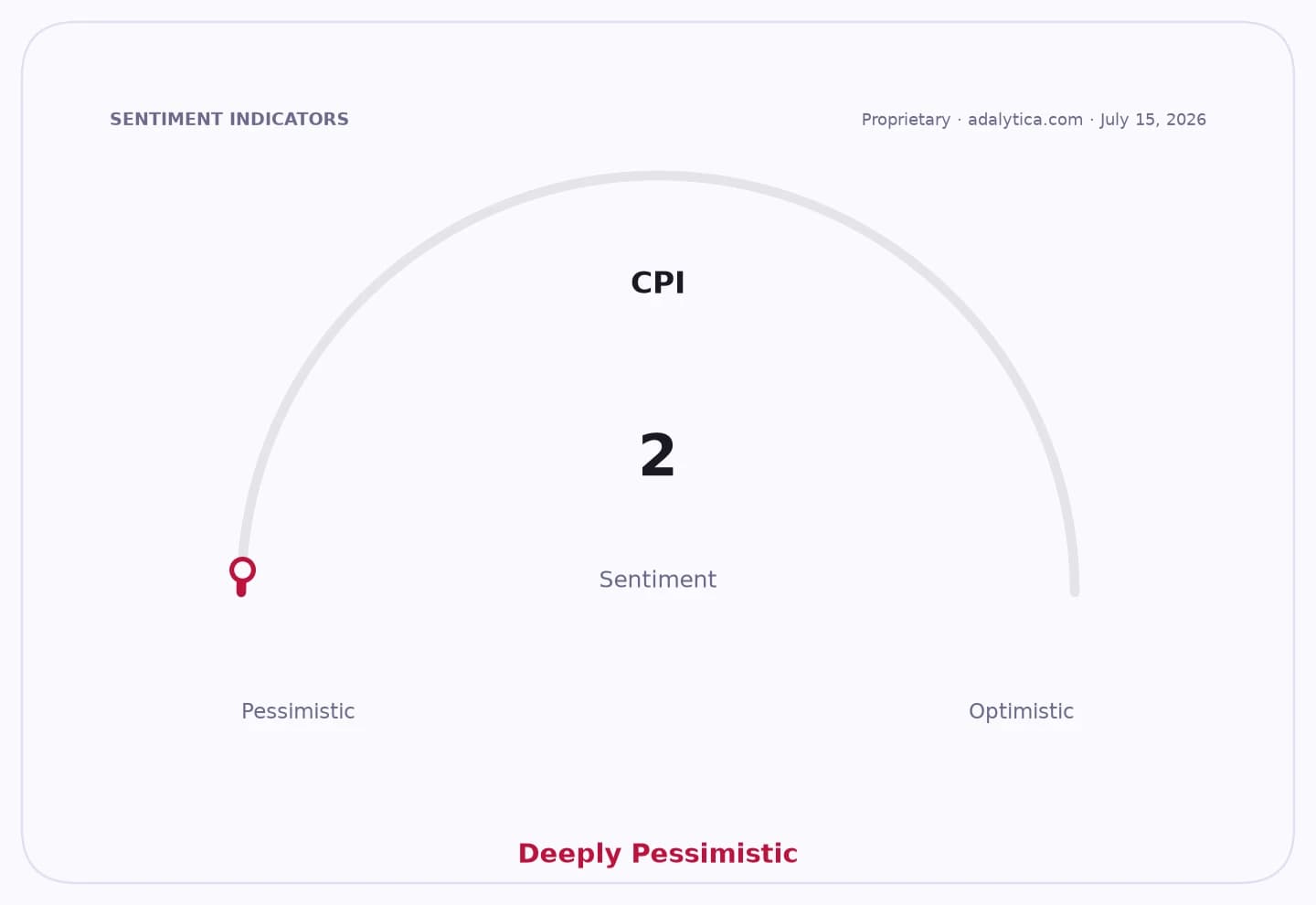
Sentiment IndicatorsⓘProprietary · adalytica.com · September 23, 2026
This is a snapshot — live sentiment, awareness and momentum for 130+ markets update continuously in the dashboard.Open AlphaPulse
Economically, the pattern points to a fragile lower end of the credit market rather than a broad-based collapse. Young borrowers usually have thinner credit histories, lower incomes and less room to absorb inflation shocks, so they are the first to miss payments when real wages are squeezed. In a high-price, high-rate environment, even modest debt burdens can turn into persistent arrears, limiting access to formal credit and pushing more households toward informal finance.
For banks and lenders, the implication is not just higher default risk but a worsening borrower mix. Concentrated arrears among younger clients tend to hurt origination quality, raise collection costs and force tighter underwriting, even if total credit demand remains intact. That can curb consumption among first-time borrowers, who typically rely on consumer loans, cards and small installment plans to finance basics, education and durable goods.
The broader narrative is one of credit stress moving through the parts of society with the least buffer. If youth delinquency continues to rise while older groups remain more stable, lenders may respond by charging more, lending less or asking for collateral that younger households cannot provide. That would deepen the divide between those with access to formal credit and those shut out of it, while adding another sign that Argentina’s inflation and income squeeze are still feeding through to households.
For investors, the story matters less as a local anomaly than as a signal of how quickly consumer credit can deteriorate when macro conditions stay tight. Any lender with exposure to lower-income or younger borrowers in Argentina will be watching for spillover into broader delinquency trends, reserve needs and loan growth. The key question is whether Río Cuarto is an isolated warning or an early read on a wider deterioration in retail credit quality.
| Entity | Gains | Losses |
|---|---|---|
| Older borrowers | ▲More stable repayment profiles | ▼Less credit stress visibility |
| Young borrowers under 25 | ▲Limited access to new credit | ▼Rising arrears and penalties |
| Banks and consumer lenders | ▲Tighter underwriting discipline | ▼Higher defaults and collection costs |
| Households in Río Cuarto | ▲Potential policy focus on debt stress | ▼Reduced borrowing capacity |