Argentina’s labor market is shifting toward precarious work, with unprotected employment rising to 45.2% of private-sector workers in the first quarter and now accounting for almost half of the total workforce when “changas,” gig-like jobs and active retirees are included.
Argentina labor market shifts toward informal work
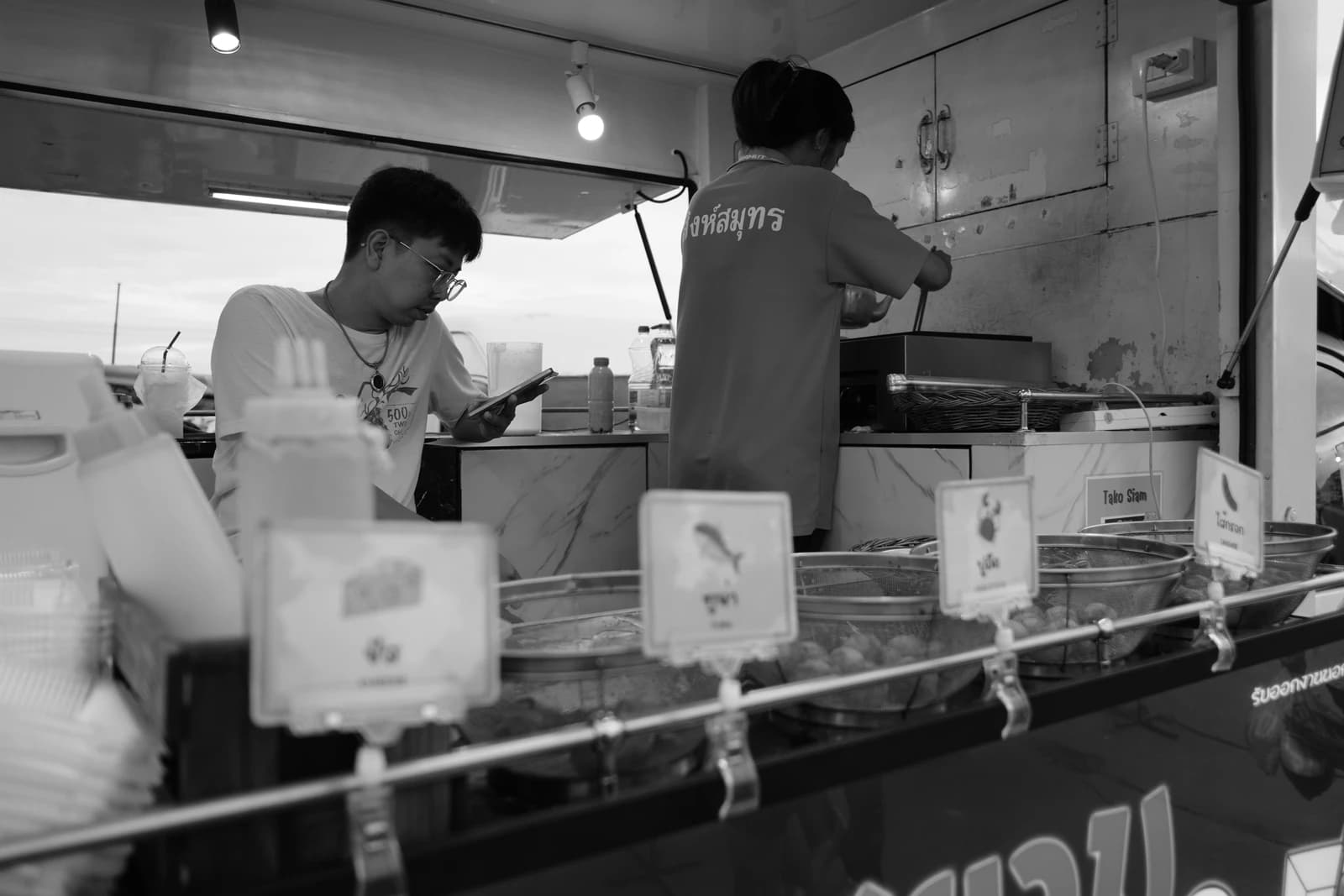
That matters economically because the country is not just creating fewer formal jobs — it is replacing them with lower-quality work that carries no contributions, little continuity and weaker purchasing power. The result is a labor market that can absorb people in the short term while eroding tax collections, pension financing and household income stability over time.
Sentiment IndicatorsⓘProprietary · adalytica.com · September 23, 2026
This is a snapshot — live sentiment, awareness and momentum for 130+ markets update continuously in the dashboard.Open AlphaPulse
The Institute Argentina Grande said the share of workers it classifies as unprotected has climbed steadily over the past two years, leaving a 45% to 39% split between unprotected and protected private workers, while public employment accounts for another 15.7%. In its framework, protected work includes salaried jobs with contributions, independent professionals with more than a year in their activity, programmers and consultants, or workers with their own machinery and stable clients. Everyone else is counted among workers doing “changas sin aportes ni continuidad.”
The broader implication is that Argentina’s labor market is becoming more dual, with formal employment unable to absorb the losses from the public sector and the private formal sector. The institute estimates there are 626,000 more unprotected jobs than two years ago, while protected private jobs fell by 56,000 and public employment dropped by 212,000. That mix points to a deeper deterioration in job quality than headline employment figures suggest.
The strain is most visible among younger workers and retirees. For those aged 18 to 26, the unprotected rate has surged to 61.6% from 53.4% in two years, a rise driven by the loss of 126,000 quality jobs among young men. Commerce accounted for the biggest hit, with 88,000 protected jobs lost, while construction also shed a large share of quality youth employment.
At the other end of the age spectrum, workers over 66 saw a 6.6 percentage-point rise in unprotected employment as more retirees entered the labor force because of low incomes. That helps explain why the report says the “blue unemployment” rate — a broader measure that combines the official jobless rate with underemployment and unprotected work — reached 15.5%, the highest level since the current administration took office. Among young adults, it climbs to 27.7%, underscoring how difficult it has become to enter the formal labor market.
For investors, the picture is mixed. A looser labor market can support short-term cost control for employers, especially in consumer-facing sectors exposed to weak demand. But the medium-term cost is a weaker domestic demand base, more pressure on wages and a less reliable consumer, which is bad news for retailers, banks and any company dependent on mass-market spending. It also raises the fiscal burden on the state through lower payroll contributions and greater pressure on social programs.
The gender breakdown adds another layer of risk. The wage gap between men and women widened to 10% per hour in the first quarter, the highest level in the series since 2017, as salaries in feminized sectors such as health and education fell behind. Women have also borne a larger share of the rise in unprotected work, reflecting the loss of 212,000 public-sector jobs since the change in government, 132,000 of them held by women.
The policy challenge is straightforward but politically difficult: Argentina needs more formal job creation without choking off hiring in a fragile economy. If growth remains concentrated in low-quality, informal or short-duration work, the labor market may look resilient on the surface while continuing to weaken earnings, productivity and social cohesion underneath. That leaves the next round of wage negotiations, labor policy and fiscal adjustment central to whether the current deterioration becomes a structural feature of the economy.
| Entity | Gains | Losses |
|---|---|---|
| Informal workers | ▲More short-term opportunities | ▼No contributions, unstable income |
| Formal employers | ▲Lower labor costs | ▼Weaker consumer demand |
| Active retirees | ▲Extra income from work | ▼Lower retirement security |
| Government/public finances | ▲Some labor absorption | ▼Lower payroll tax revenue |