Amazon’s AI shopping assistant is changing what a product page is for, and sellers that still write for keyword search risk losing visibility as shoppers increasingly ask detailed questions instead of typing blunt terms. The shift matters because Amazon is folding more shopping behavior into conversational AI, turning listing clarity, review quality and attribute completeness into a direct commercial advantage.
Amazon AI Shopping Assistant Changes Product Discovery
Amazon renamed its U.S. assistant Alexa for Shopping from Rufus in May and is tying it more closely to Alexa+, bringing it deeper into the core search experience. For sellers, that means the assistant is no longer just another layer on top of the marketplace — it is increasingly a gatekeeper that reads titles, bullets, descriptions, attributes, reviews, Q&A and even web mentions before recommending a product.
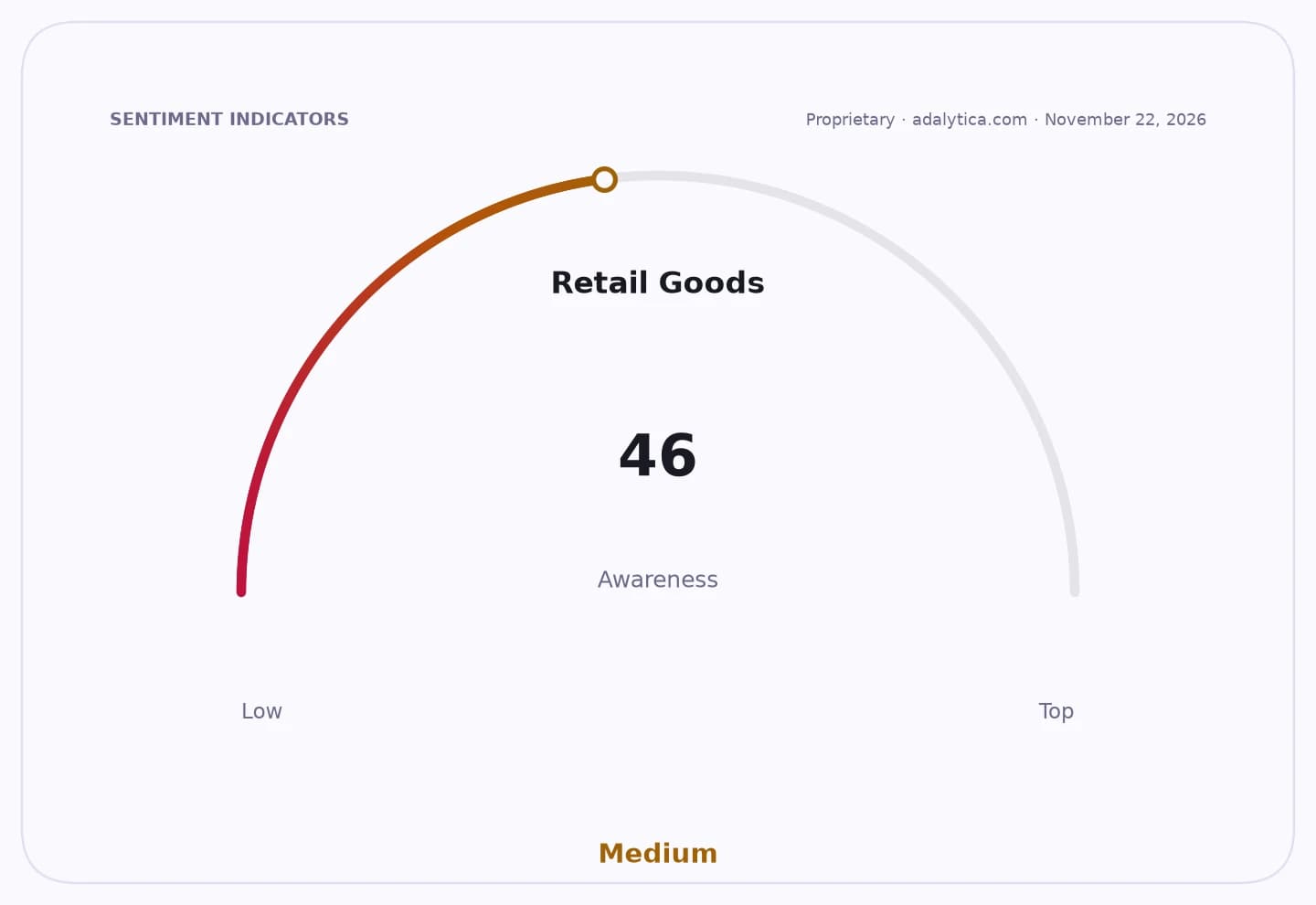
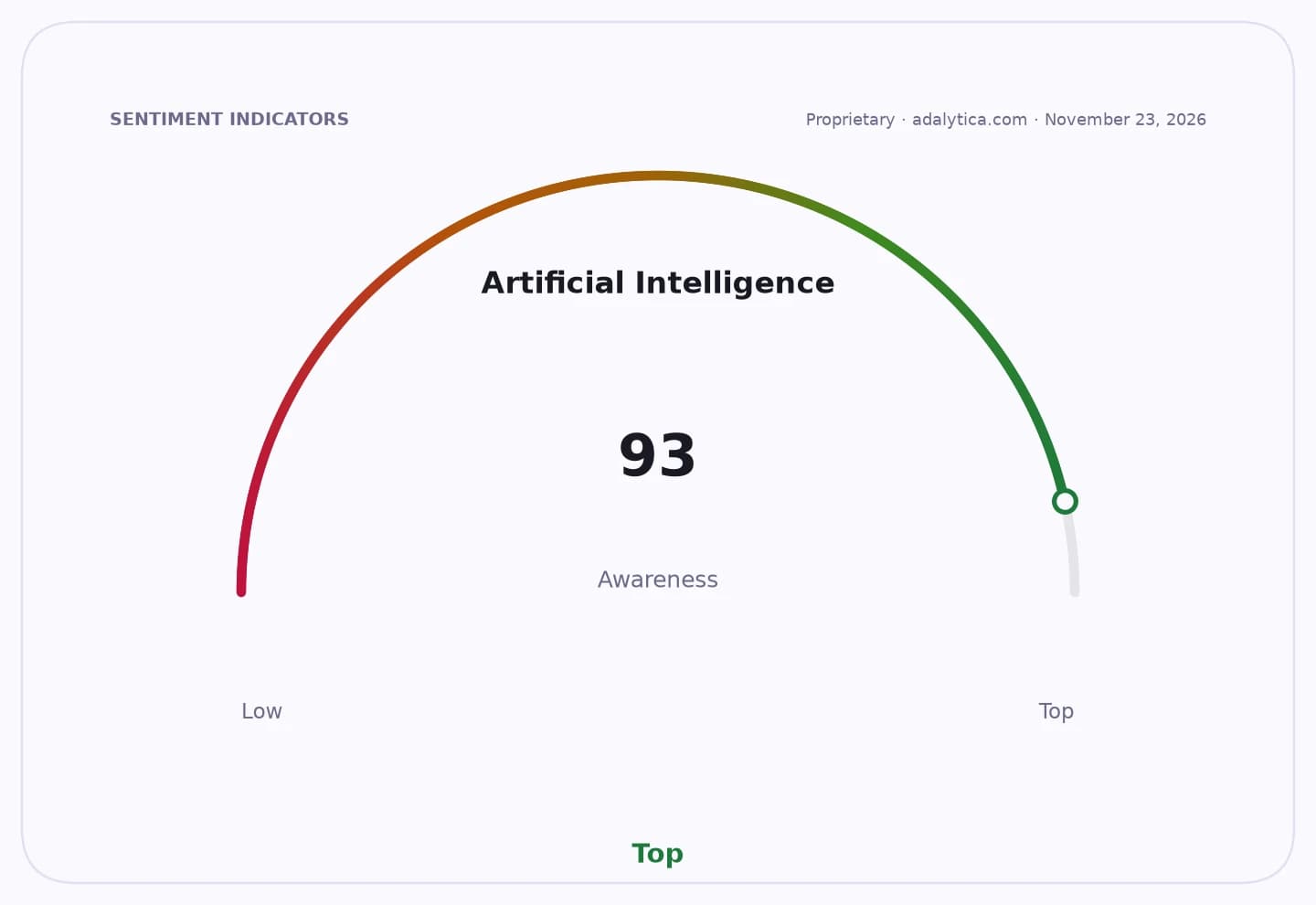
Sentiment Indicators
That changes the economics of discovery on Amazon. Keyword stuffing, once a standard tactic for ranking, is now more likely to obscure what a product actually does. A clear listing that answers specific questions — about size, compatibility, material, use case and durability — is easier for the assistant to cite, easier for shoppers to trust and more likely to convert.
The stakes extend beyond organic traffic. Amazon has said sponsored campaigns can qualify for placements within assistant conversations, which means paid search performance may increasingly depend on how well a listing answers conversational queries. Weak or vague pages can waste ad spend if shoppers land on them and leave without converting.
The advice to sellers is blunt: complete product attributes, write to real customer questions, keep claims consistent across copy and images, and strip out generic AI filler. Amazon’s own guidance and the assistant’s behavior both point in the same direction — product pages that read like useful answers will outperform pages built around keyword clutter.
The broader retail backdrop is increasingly AI-first. Amazon Japan has already rebranded its assistant under the Alexa name, Google is helping travel firms deploy AI copilots, and some companies are still limiting what chatbots can do, underscoring that the technology is being adopted unevenly and with guardrails. For investors, the key question is whether AI assistants improve marketplace monetization and ad efficiency without undermining conversion quality.
Amazon shares were trading at $266.66 on Nov. 13, above both the 50-day moving average of $254.81 and the 200-day moving average of $244.60, with RSI at 62.5 and the MACD still positive, suggesting the stock has been holding up even as the company pushes deeper into AI infrastructure and AI-driven commerce. Walmart and Shopify, which both compete for retail traffic and merchant wallet share, also stand to be affected as product discovery becomes more conversational across e-commerce.
The next test is whether Amazon can keep AI recommendations useful enough to lift conversion without making sellers dependent on another opaque ranking system. The immediate catalyst is simple: merchants will start adjusting listings, ads and review management around the new assistant behavior, and the winners will be the brands that can answer the shopper’s question before it is asked.
| Entity | Gains | Losses |
|---|---|---|
| Amazon | ▲More search monetization | ▼Poor listings and weak sellers |
| Well-optimized sellers | ▲Higher visibility and conversion | ▼Keyword-stuffed competitors |
| Amazon Ads | ▲Better conversational placements | ▼Inefficient ad spend on unclear pages |
| Walmart and Shopify | ▲More pressure to match AI discovery tools | ▼Amazon if assistants hurt trust or conversion |