AI is quickly becoming part of the college admissions funnel, and universities are now trying to police a process they increasingly use themselves.
AI in College Admissions Essays
That matters because the admissions essay has long been treated as one of the few remaining human windows into an applicant’s judgment, voice and character. If students are using chatbots to draft or polish essays while colleges test AI tools to sort applicants, the process risks becoming both more efficient and less trustworthy at the same time.
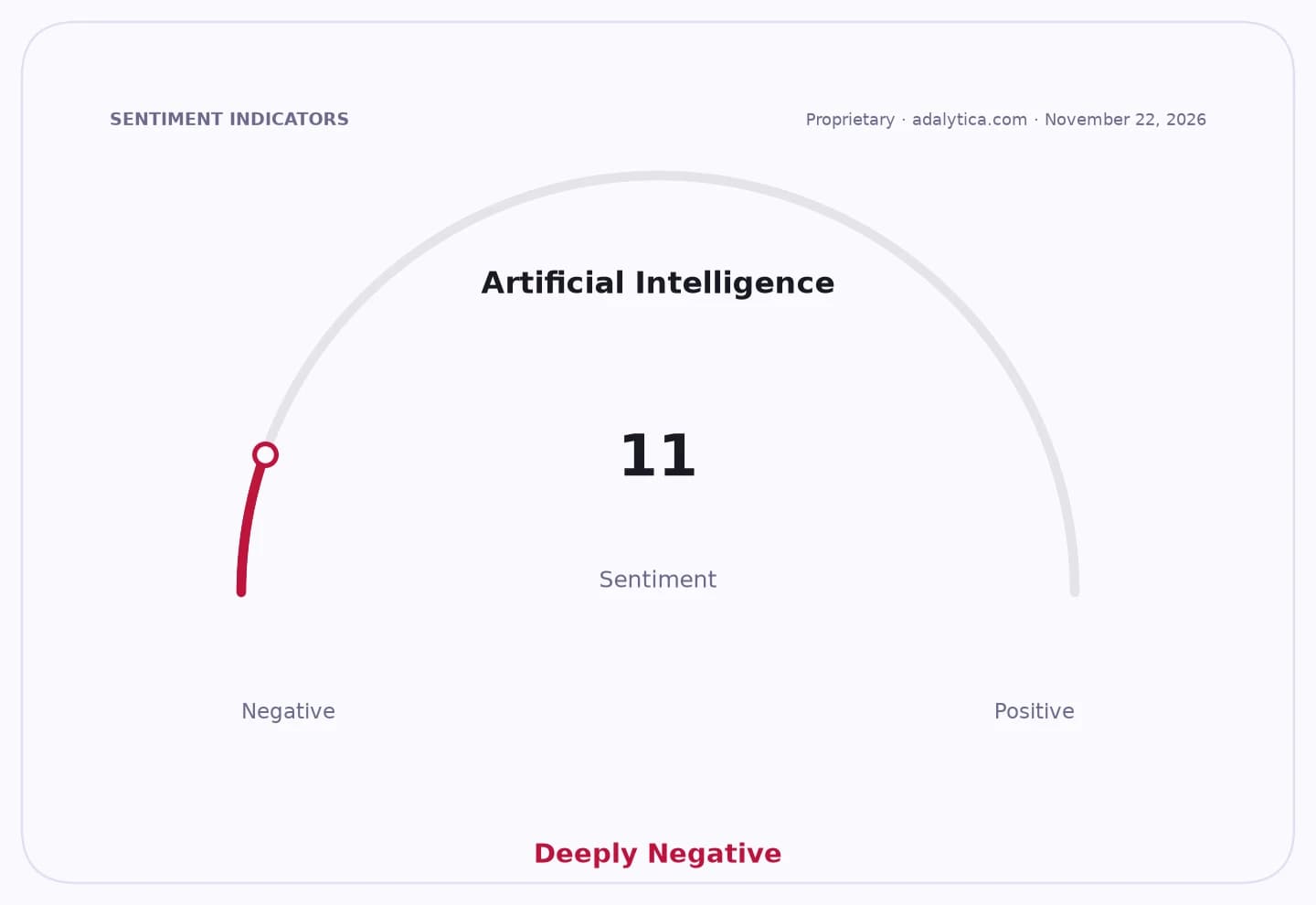
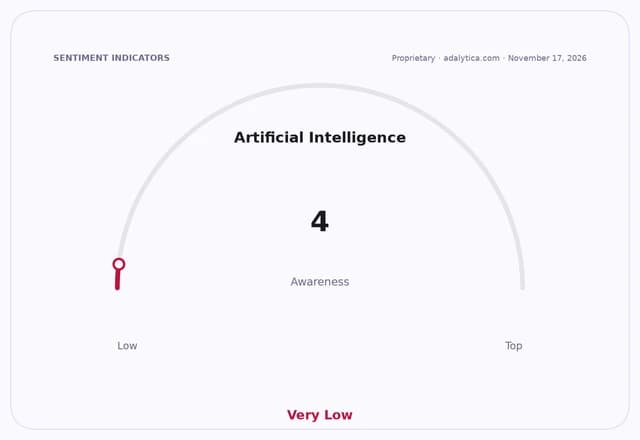
Sentiment Indicators
The shift is arriving just as the Common App deadline approaches, when high school seniors are filing thousands of applications and admissions offices are under pressure to process them faster. At the same time, colleges are confronting a basic legitimacy problem: if AI is acceptable for parts of the screening process, students are asking why it should be banned in their own submissions.
That tension is already forcing policy changes. Caltech says it allows AI to generate brainstorming prompts but not to replace a student’s “unique voice and tone.” The University of Pennsylvania has warned against AI in counselor and teacher recommendations. Tulane has dropped a supplemental “Why Tulane?” essay this cycle, citing concerns about AI, while UNC-Chapel Hill reversed an experiment that auto-scored essays after concluding widespread AI-assisted writing had undermined the system’s usefulness.
For admissions offices, the economic logic is clear: the volume problem is real. Virginia Tech said it received a record 57,622 first-year applications for 2025, and some schools are testing AI to help handle what can be tens of thousands of submissions. That creates a powerful incentive to automate parts of the workflow, even as administrators insist that human readers remain central.
The investment case is more mixed. Education technology platforms and test-prep companies are trying to position AI as a tool for guidance, not just cheating. OpenAI has launched a college planner for teens, and EAB says 82% of students surveyed used ChatGPT in their college search. That suggests AI is becoming a front-end discovery and organization tool as much as a writing assistant, which could reshape demand for private counselors and admissions consulting services.
That could level the playing field for students who cannot afford thousands of dollars in advising. But it also broadens access to tools that can standardize essays, flatten individual style and make it harder for admissions officers to distinguish authentic experience from machine-assisted polish.
For investors, the more important takeaway is that AI is not just changing one essay; it is pressuring the entire admissions stack. Companies that help schools manage applications, evaluate content or advise students may see demand rise, but they will also face scrutiny over whether their tools can preserve fairness. The winners are likely to be firms that can prove both scale and integrity. The losers may be any model that depends on the admissions essay staying exactly as it was.
What comes next is a likely split between schools that double down on human review and those that move toward interviews, structured prompts or other formats less vulnerable to AI editing. The admissions essay may survive, but it is increasingly becoming a test of how institutions adapt to a technology that students and schools are using at the same time.
| Entity | Gains | Losses |
|---|---|---|
| Students using AI | ▲Faster drafting, broader access | ▼Risk of weakened authenticity |
| Admissions offices | ▲Faster screening tools | ▼Harder authenticity checks |
| Edtech/admissions AI firms | ▲Higher demand for tools | ▼Regulatory and trust scrutiny |
| Traditional counselors | ▲Premium advisory value | ▼AI substitutes for basic guidance |