Agrolimen has abandoned its long-standing conservatism and loaded up on debt to buy growth in the United States, a move that marks a sharp break from the Carulla family’s low-leverage playbook and raises the stakes for investors watching Spanish food groups chase overseas expansion.
Agrolimen borrows €1.235 billion for Ollie Pets deal
The Catalan group has arranged a €1.235 billion syndicated loan to fund the acquisition of Ollie Pets Inc., a direct-to-consumer fresh pet food company in the U.S., in a deal that will roughly triple Agrolimen’s debt from €345 million at the end of 2025 to more than a billion euros once the financing is drawn in 2026. The price for Ollie, which sources close to the deal put at about €600 million, is less than half the loan size, leaving room for additional acquisitions and refinancing.
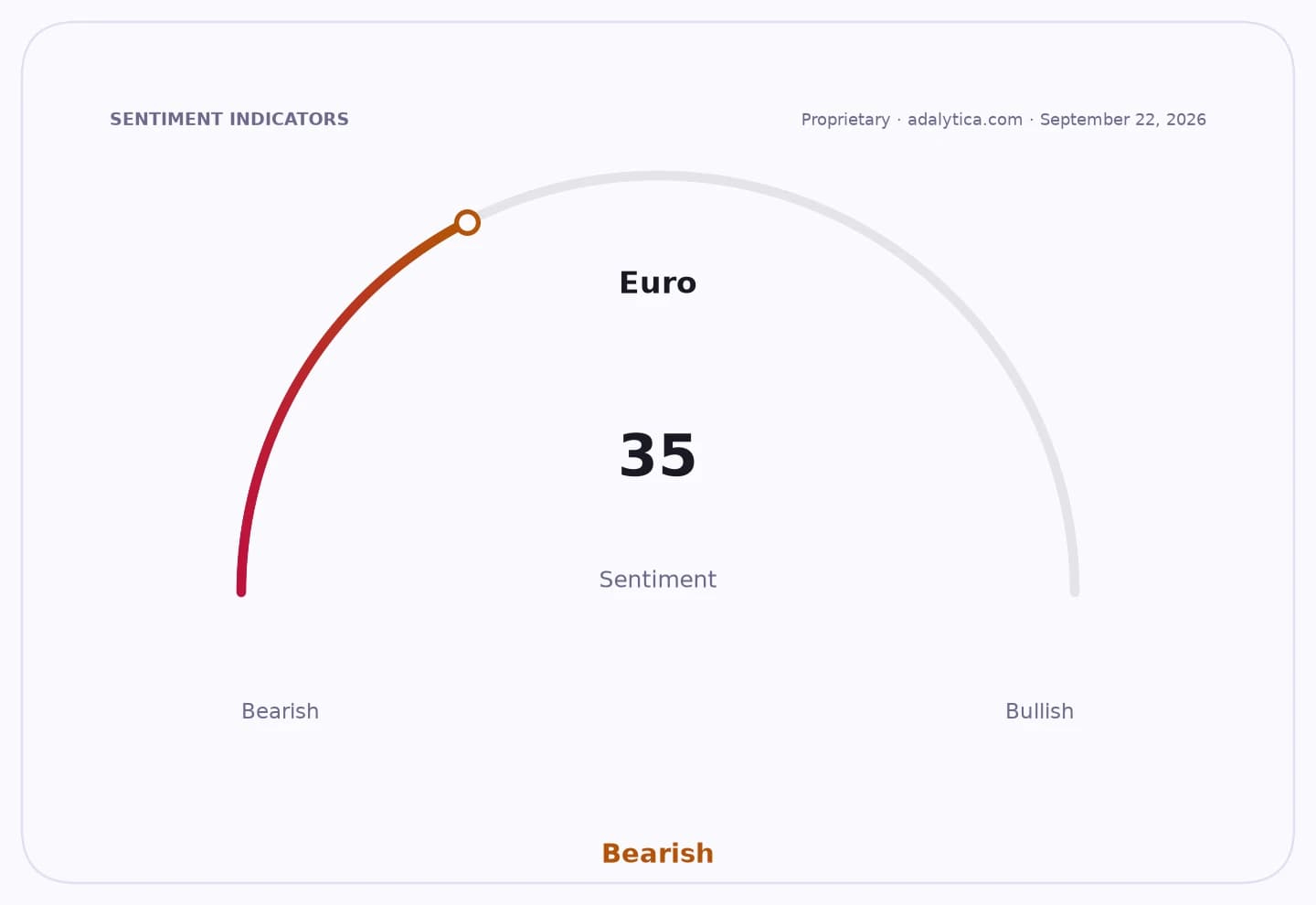
Sentiment IndicatorsⓘProprietary · adalytica.com · September 22, 2026
This is a snapshot — live sentiment, awareness and momentum for 130+ markets update continuously in the dashboard.Open AlphaPulse
That matters because the economics of the transaction are no longer about preserving balance-sheet comfort; they are about forcing growth in a business that has shown signs of stalling. Agrolimen’s 2025 sales were flat at €2.394 billion, even as operating profit improved 9% to €270 million and net profit held at €167 million. In other words, the company is generating respectable earnings, but not enough top-line momentum to justify a stay-the-course strategy. The answer from chief executive Joan Cornudella is leverage.
The shift is especially notable because Agrolimen was for years one of the least indebted large private groups in Spain, with debt of just €86 million in 2024. The new funding package, led by CaixaBank and BBVA, is also a sign that lenders are willing to underwrite a more aggressive capital structure for a family-controlled company whose effective decision-making has moved away from the chairman in London and toward the chief executive. That makes the financing itself a proxy for a deeper governance transition at one of Catalonia’s most opaque companies.
For investors, the message is twofold. First, Agrolimen is betting that U.S. pet food is the higher-value growth engine within a group still anchored by human food brands such as GBfoods and pet-care operations under Affinity Petcare. Ollie’s roughly €170 million in annual sales will not transform the group overnight, but it does extend Agrolimen further into a U.S. consumer niche where premiumization and direct-to-consumer distribution can command better economics than mass-market packaged food. Second, the financing is creating optionality: sources say another acquisition worth about €100 million is near completion, while roughly €400 million of the loan is set aside to refinance existing debt and, in effect, free up family liquidity.
That combination is classic private-company capital allocation at an inflection point. The market often overlooks how much value can be created not by giant revenue jumps, but by moving from a low-return, low-leverage posture into a more assertive acquisition model when organic growth slows. If Cornudella can integrate Ollie, preserve margins and avoid overpaying for the next deal, Agrolimen could emerge more international, more scalable and less tied to Spain, where the domestic market already accounts for only 20% of sales.
But leverage cuts both ways. The loan comes with covenant requirements, and Agrolimen is replacing a balance-sheet fortress with a more demanding capital structure at a time when food inflation, consumer sensitivity and integration risk remain real. For shareholders and family owners, that raises the bar: expansion must now deliver enough cash flow to support a debt load that is three times heavier than before. For lenders, the story is simpler — they are financing a business transformation and taking comfort that the group still meets the required operating ratios.
The bigger narrative is that Agrolimen is no longer behaving like a cautious Catalan food company guarding the family vault. It is acting like a deal-led consumer platform with U.S. ambitions, and that makes it one of the more interesting hidden capital-allocation stories in European food right now. If the strategy works, the payoff could be substantial. If it doesn’t, the new debt will be the first thing investors notice.
| Entity | Gains | Losses |
|---|---|---|
| Agrolimen | ▲U.S. growth platform | ▼Balance-sheet flexibility |
| Carulla family | ▲Liquidity and scale | ▼Conservative capital structure |
| CaixaBank / BBVA | ▲Syndicated-fee income | ▼Credit exposure |
| Ollie Pets / U.S. pet food | ▲Acquisition premium | ▼Independence |