AFI is moving ahead with a second rental apartment building in Romania after fully leasing the first one, a sign that demand for professionally managed rental housing is strong enough to support one of the country’s first large-scale build-to-rent plays.
AFI fully leases first Romania rental building
The first building in AFI’s initial Romania project dedicated exclusively to renting is now fully occupied, and the developer has already launched a second block with 164 apartments, Luciana Giurea-Rosca, head of residential division Romania, said at the ZF Office & Rezidențial Summit 2026. She said leases on contracts that came due have been renewed, underscoring tenant retention as a key proof point for the model.
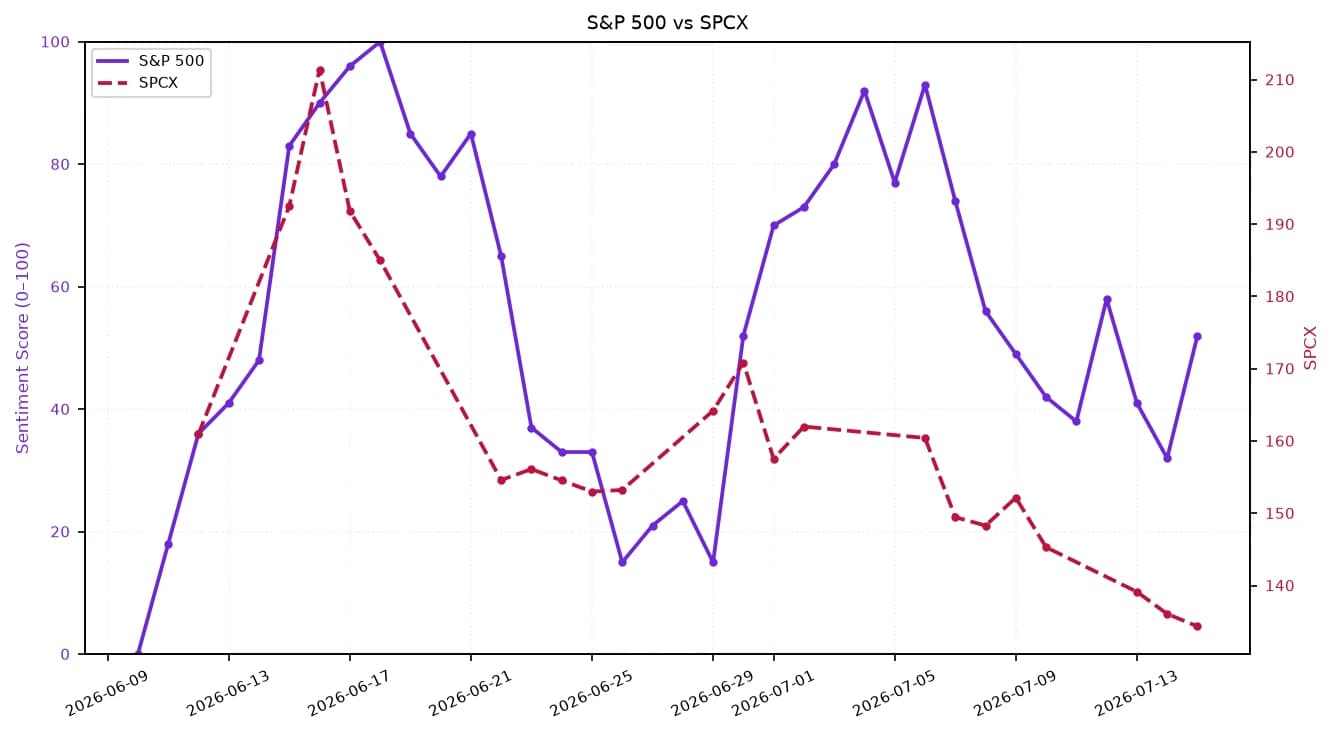
Sentiment IndicatorsⓘProprietary · adalytica.com · September 20, 2026
This is a snapshot — live sentiment, awareness and momentum for 130+ markets update continuously in the dashboard.Open AlphaPulse
The result matters because Romania’s rental market has been fragmented and underdeveloped compared with Western Europe, where institutional landlords have long been active. A successful rollout by AFI, one of the country’s most visible real-estate groups, could help accelerate a shift toward professionally run rental stock at a time when affordability pressures and urban mobility are keeping more households in the tenant pool.
AFI is not treating the rental project as a one-off. Giurea-Rosca said the company plans to start construction next year on a similar development in Cotroceni, while also expanding its pipeline across residential for sale, hotels, offices and retail. The group recently bought six retail parks, one of the largest real-estate transactions in Romania, and continues to build in Ploiești, Timișoara and Brașov.
The strategy reflects a broader bet on mixed-use districts, where office, retail and housing sit together. Giurea-Rosca argued that proximity to workplaces, shopping, education and leisure is becoming a defining feature of quality urban living, and said AFI intends to develop entire neighborhoods rather than speculate on isolated assets.
For investors, the rental success gives AFI a tangible operating data point at a time when Romanian real estate is being reshaped by higher financing costs, shifting tax policy and a push for more predictable regulation. A fully leased first building, plus contract renewals, suggests cash flow visibility and lowers early execution risk for the next phase of construction.
The next catalyst is whether AFI can repeat the leasing pace at the 164-unit follow-on project and keep momentum as it expands the model to Cotroceni next year.
| Entity | Gains | Losses |
|---|---|---|
| AFI | ▲Faster lease-up; stronger recurring income | ▼Higher execution burden |
| Tenants | ▲More modern rental options | ▼Less negotiating leverage if demand stays tight |
| Competitor developers | ▲Proof of concept for BTR market | ▼Pressure to match institutional rental product |
| Romania rental market | ▲More institutional supply | ▼Greater competition for land and projects |