Adana’s latest foreclosure auction is a reminder that Turkey’s property market is still being shaped by forced sales, tighter financing conditions and a legal system that is increasingly turning illiquid housing assets into tradable inventory.
Adana Foreclosure Auction Lists TL5.5 Million Apartment
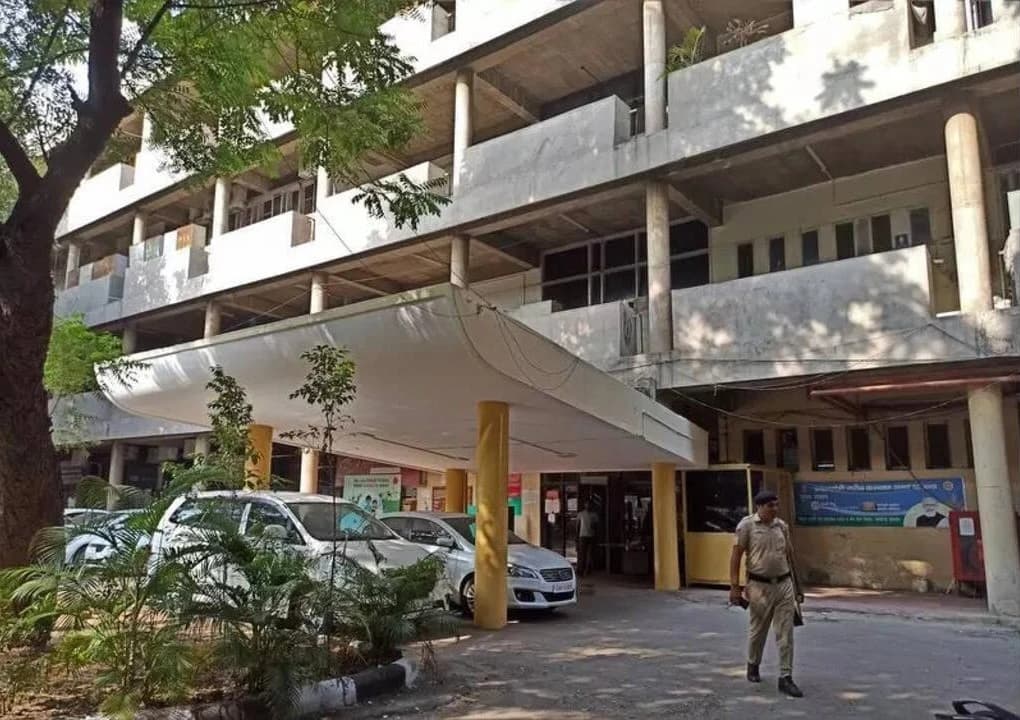
The Directorate of Enforcement for Real Estate Sales in Adana has moved to auction a 150-square-metre apartment in Seyhan’s Reşatbey district, with an estimated value of TL5.5 million, according to the official notice. The unit sits on the ninth floor of a single-block residential building and is registered as a mixed-use residential-commercial parcel under local zoning rules.
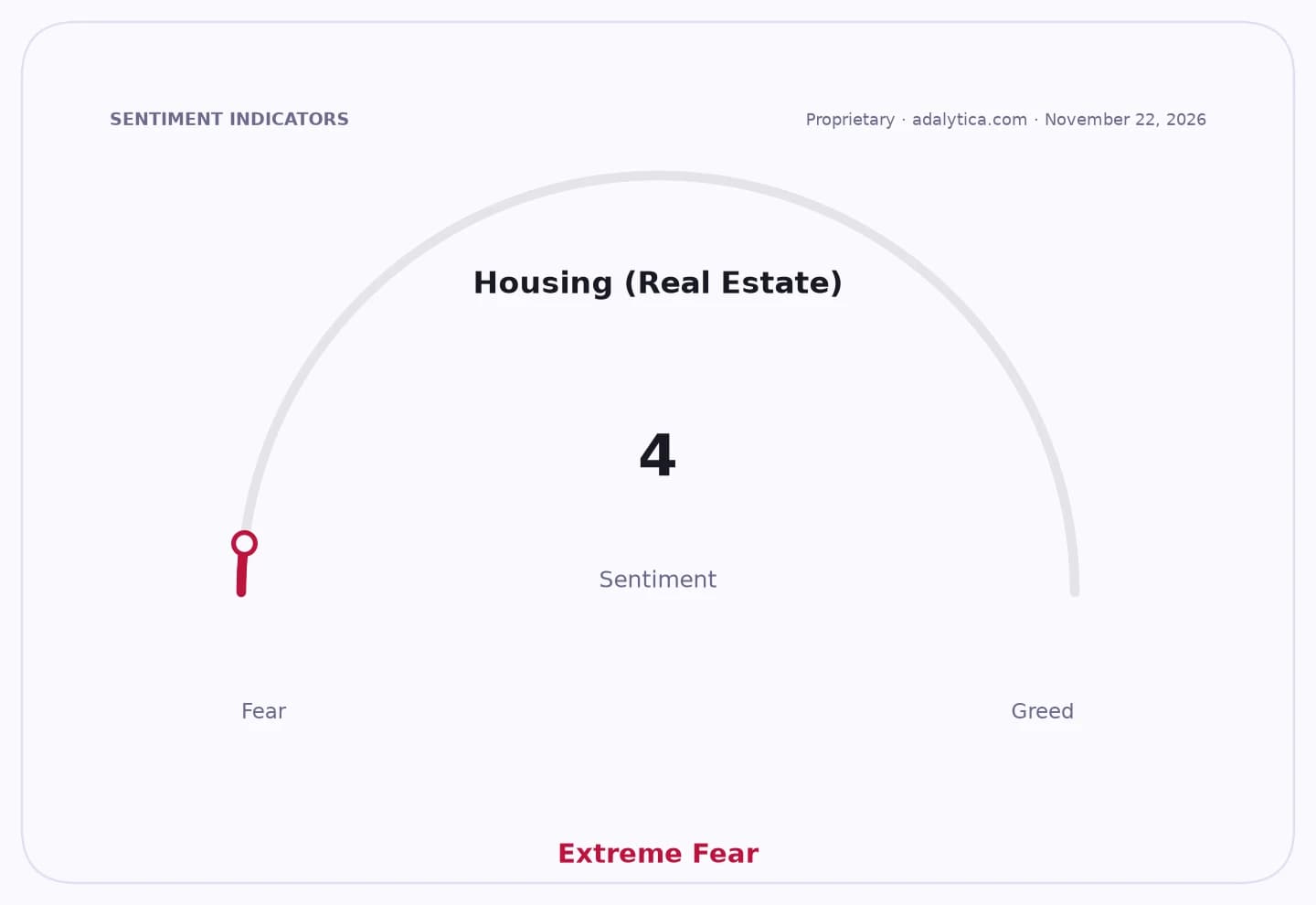
For investors, the significance goes beyond one apartment. Foreclosure listings are a direct read on stress in household balance sheets and in the broader real estate funding chain. When court-led sales rise, it usually means some owners can no longer service debt, while buyers with cash gain access to discounted inventory. That dynamic matters for pricing, rental yields and local liquidity.
The property is being sold through the e-auction system, which has become increasingly important in moving distressed assets from the legal system back into the market. The apartment is described as a three-bedroom unit with a gross enclosed area of 150 square metres, and the announcement notes that access to detailed images and auction conditions is available on the UYAP judicial portal.
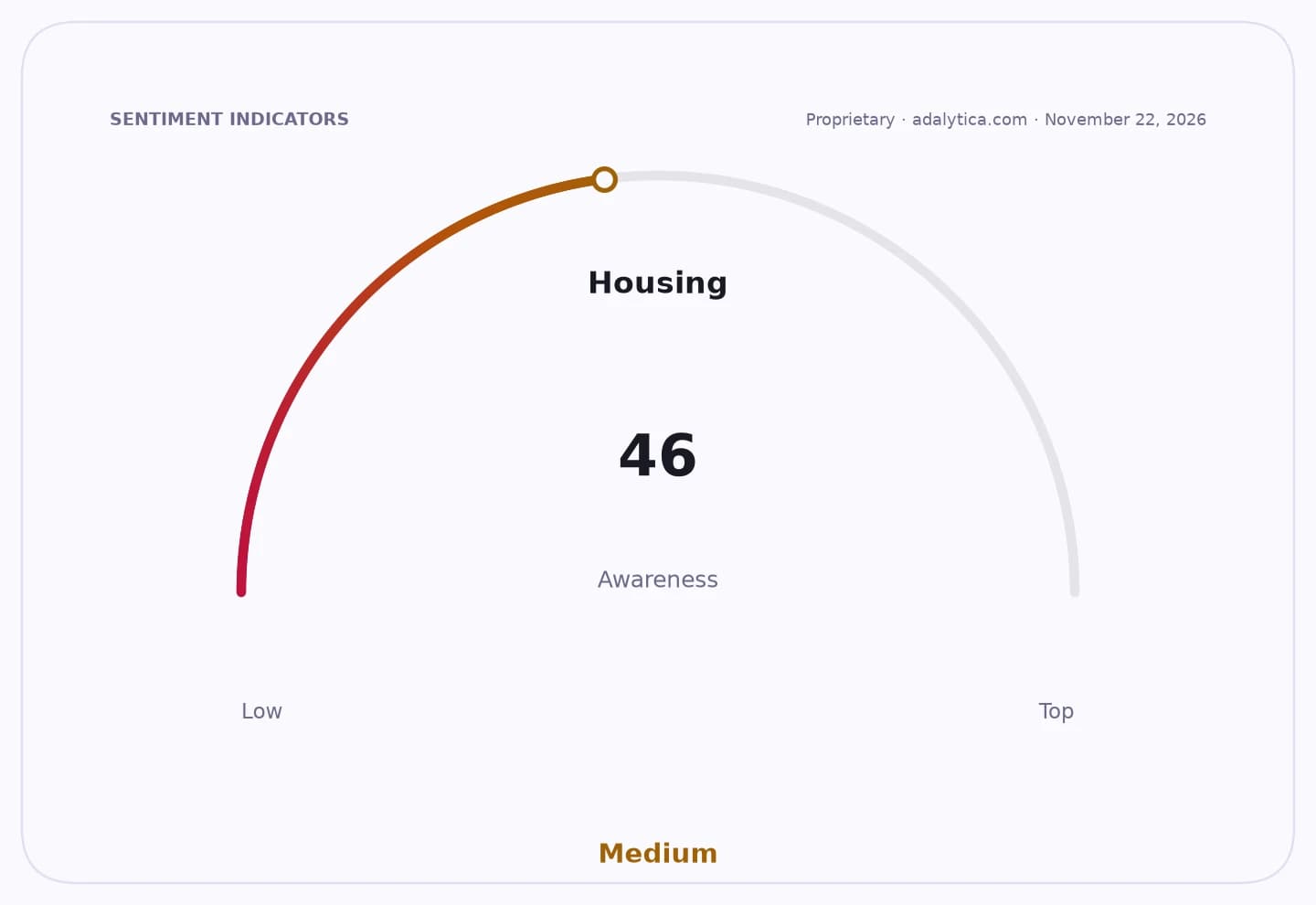
The wider market backdrop remains constructive for real estate-focused assets, even as individual owners are under pressure. U.S.-listed real estate ETFs such as VNQ have rebounded from earlier weakness, while homebuilder funds like ITB and XHB have also recovered from spring lows, reflecting investor expectations that financing conditions and asset values will stabilize. But the Adana auction shows why the market underestimates the micro-level fallout from tighter credit: distressed supply does not disappear, it gets repriced.
That is why this kind of announcement matters to investors. It signals where pain is concentrated, where bargain hunters may eventually step in, and how quickly property values can reset when leverage meets slower demand. If Turkey’s foreclosure pipeline keeps filling, secondary-market buyers, local capital and property platforms could benefit from a bigger pool of forced-sale assets. The losers are leveraged owners, lenders with collateral exposure, and sellers who must accept the auction process.
For now, the takeaway is straightforward: Adana’s TL5.5 million auction is not just a legal notice, it is a live market signal. Distressed real estate is becoming more visible, and that creates asymmetric opportunities for cash-rich buyers willing to move before the wider market fully prices in the pressure.
| Entity | Gains | Losses |
|---|---|---|
| Cash buyers | ▲Discounted acquisition opportunity | ▼Limited inventory competition |
| Distressed owners | ▲None | ▼Forced sale at auction |
| Lenders | ▲Asset recovery pathway | ▼Collateral value risk |
| Real estate funds/secondary buyers | ▲More forced-sale supply | ▼Greater pricing pressure |