Abu Dhabi’s tourism pitch is getting more investable, and the real opportunity is not just the city tour — it is the bundled experience that funnels visitors from cultural landmarks into Yas Island’s entertainment engine, with Ferrari World as the anchor.
Abu Dhabi Tourism Packages Lift Yas Island Demand

That matters because tourism is increasingly being sold like a platform, not a single attraction. Abu Dhabi is leaning into a strategy that combines heritage, waterfront sightseeing and modern leisure into one itinerary, a format that raises visitor spend per trip and gives operators more pricing power. For investors, that kind of packaging is exactly how destinations turn short stays into higher-margin, repeatable demand.
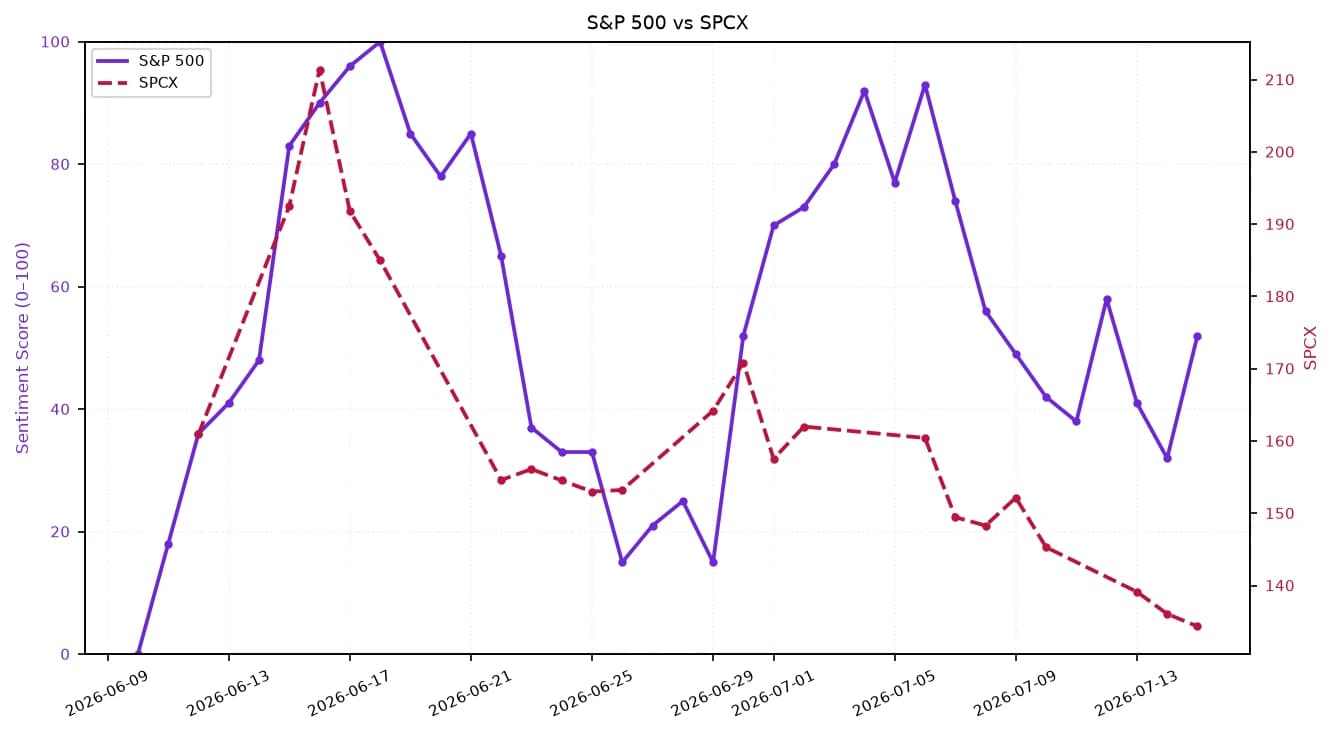
Sentiment IndicatorsⓘProprietary · adalytica.com · September 22, 2026
This is a snapshot — live sentiment, awareness and momentum for 130+ markets update continuously in the dashboard.Open AlphaPulse
The logic is straightforward. A first-time visitor can see Sheikh Zayed Grand Mosque, take in the capital’s architecture and waterfront, then move on to Ferrari World for a second half of the day that is built around rides, family entertainment and indoor climate-controlled spending. The point is not simply convenience. It is conversion: turning one traveler into multiple revenue streams across transport, admissions, food and retail.
That model fits Abu Dhabi’s broader push to expand international arrivals through partnerships and destination marketing. The emirate has been lining up agreements to attract more Indian tourists and deepen inbound travel links, while also backing larger-scale development projects that reinforce its position as a regional leisure hub. In a Gulf market where destination competition is intensifying, packaged experiences are a way to protect share and lift yield.
For listed travel and leisure names, that is where the market may be underestimating the upside. Royal Caribbean Cruises, whose shares have been volatile but remain well above their spring lows, is tied to the same kind of destination-led spending cycle through cruise itineraries and shore-excursion demand. Marriott, meanwhile, benefits when tourism becomes more structured and premium, supporting room nights, occupancy and ancillary spend. Disney is not directly exposed to Abu Dhabi, but its theme-park model is the closest global analog to the kind of monetization Ferrari World is pursuing.
The stock tape suggests investors are still focused on the macro noise rather than the travel mix underneath. Disney’s shares sit near $104, close to their 200-day moving average around $103.43, while Royal Caribbean has slipped to about $234.89 after a sharp run earlier this year. Marriott is holding firmer near $348.06, just above its 200-day average. Those levels matter because they show how quickly sentiment can swing in leisure names when the market begins to price in either demand durability or softness.
Technical readings reinforce that split. Royal Caribbean’s RSI of 20.5 points to deeply oversold conditions after the selloff, while Marriott’s RSI at 63.6 shows comparatively stronger momentum. Disney’s RSI is 43.7, neither washed out nor convincing. In other words, the market is not yet paying up for the next leg of tourism growth, even as Abu Dhabi keeps building the infrastructure to capture it.
The more important takeaway is that this is not just a travel story. It is a regional spending story, a capex story and a yield story. Abu Dhabi is trying to engineer longer stays, higher basket sizes and more resilient demand by combining culture with entertainment. That is the kind of secular tourism play that can compound over years, especially as the emirate strengthens air links, hotel capacity and destination partnerships.
For investors, the actionable thesis is to watch the picks-and-shovels behind Gulf tourism expansion: cruise operators, global hotel chains, entertainment platforms and the developers that own the destination ecosystem. The market may treat a city tour with Ferrari World as a consumer travel package. I see it as a blueprint for monetizing the next phase of Abu Dhabi’s tourism buildout.
| Entity | Gains | Losses |
|---|---|---|
| Abu Dhabi tourism operators | ▲Higher visitor spend | ▼One-stop, low-yield itineraries |
| Ferrari World / Yas Island | ▲More foot traffic | ▼Standalone sightseeing demand |
| Global hotel chains | ▲Longer stays, higher RevPAR | ▼Short-transit travelers |
| Cruise and leisure names | ▲Destination-led bookings | ▼Weak excursion spend |