Zimbabwe’s health system is running on less than two-thirds of its approved budget after the Treasury released just 52.8% of the Health Ministry’s allocation by the end of September, intensifying pressure on hospitals, drug supplies and disease programmes at a time when external support is also becoming less reliable.
Zimbabwe health budget releases hit 52.8% by September
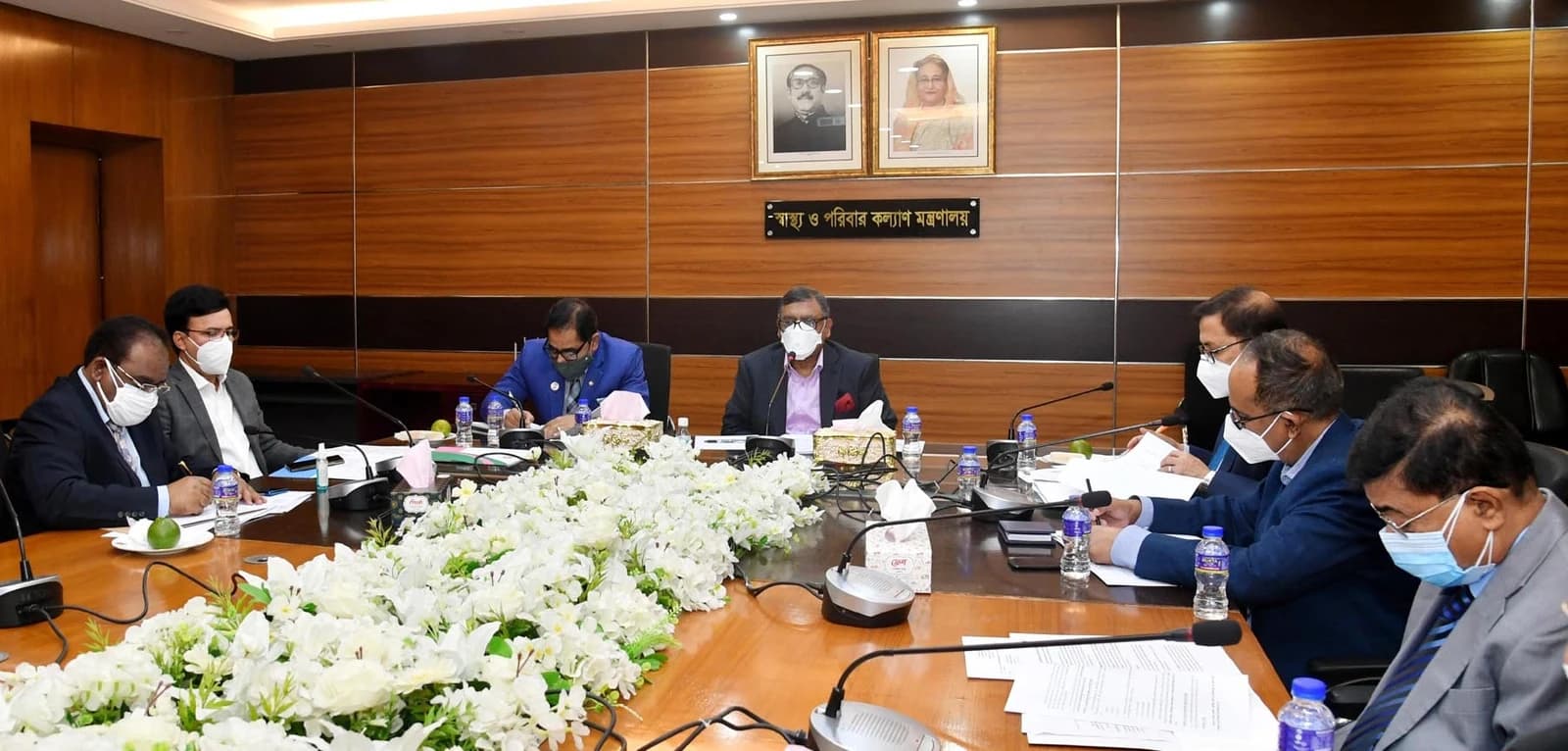
Health Minister Douglas Mombeshora said the ministry had spent about 90% of the money actually disbursed, underscoring a cash-flow crunch that is forcing programmes to operate below plan even before year-end. The ministry’s release rate is well below the 75% target for the first nine months of the year, leaving a growing gap between approved spending and actual delivery.
Sentiment Indicators
The shortfall matters because health spending in Zimbabwe is already stretched across staff shortages, patchy medicine stocks, equipment failures and rising demand for care. It also comes as development partner funding, long a backstop for HIV, tuberculosis and malaria interventions, becomes less predictable.
Mombeshora said the government needs more timely Treasury releases, not just higher headline allocations, warning that budget increases alone will not improve services unless cash arrives when needed. He also called for better planning with the Treasury and a more sustainable funding mix through the Health Levy, Sugar Tax and Health Services Fund.
The pressure is showing up in public health outcomes. HIV treatment coverage is at 95%, below a 97% target, tuberculosis notifications are running at about 73% of quarterly goals, and only 50.54% of facilities meet tracer medicine stock targets. The ministry also faces an end-December expiry of contracts for development partner-funded health workers, which could disrupt staffing if replacement financing is not secured.
For investors and lenders, the story is about fiscal execution risk: Zimbabwe may approve health spending on paper, but delayed disbursements can blunt the impact of any budget increase and force more emergency spending later. The issue also raises questions about how the state will fund a proposed National Health Insurance framework and maintain essential services if donor support continues to fade.
| Entity | Gains | Losses |
|---|---|---|
| Patients | ▲Better policy promises | ▼Delayed medicines and care |
| Health Ministry | ▲Higher budget allocation | ▼Cash-flow strain |
| Treasury | ▲Spending control | ▼Credibility on disbursements |
| Development partners | ▲Leverage in transition | ▼Influence if funding gaps widen |