The White House has raised the stakes in last-ditch COVID relief talks by backing a $400-a-week unemployment benefit and floating a $1.6 trillion package, a sign that Washington still wants to blunt the pandemic’s economic damage even as the negotiations themselves look increasingly likely to fail.
White House backs $1.6 trillion COVID relief offer
That matters because the fight is no longer just about one stimulus bill — it is about whether Congress will provide a bridge for households and small businesses through a public-health shock that is still suppressing growth, spending and hiring. The U.S. unemployment rate is forecast to remain near 4% in coming months in the data set provided, but that surface-level stability masks a labor market still dependent on fiscal support as the recovery remains uneven and the pandemic continues to disrupt travel, services and lower-income consumption.
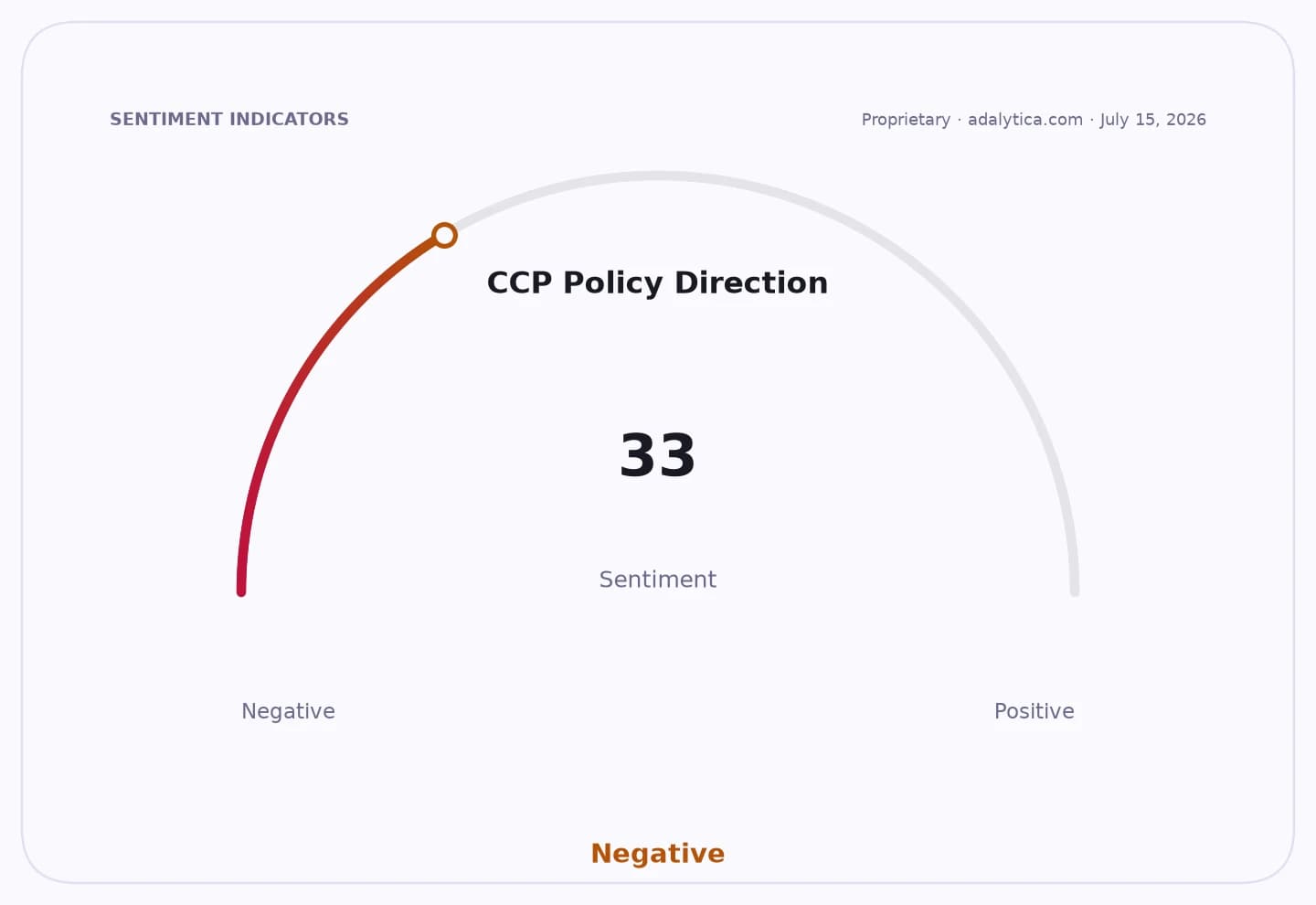
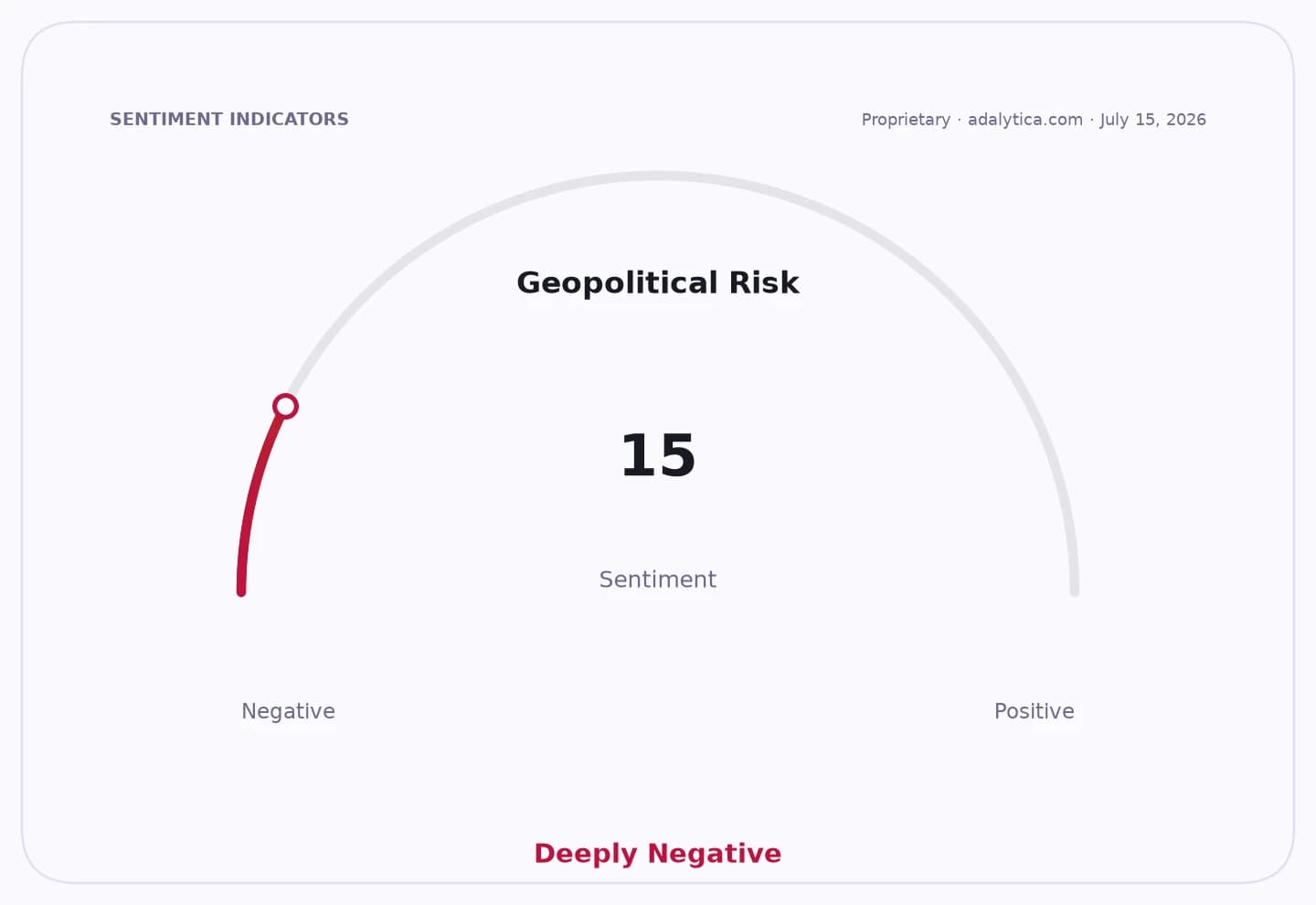
Sentiment IndicatorsⓘProprietary · adalytica.com · September 18, 2026
This is a snapshot — live sentiment, awareness and momentum for 130+ markets update continuously in the dashboard.Open AlphaPulse

For investors, the key issue is whether relief arrives in time to support demand or whether the absence of a deal forces a sharper slowdown in the fourth quarter. A $400 weekly federal jobless supplement would put cash directly into the hands of consumers most likely to spend it, lifting retailers, travel-related names and the broader earnings outlook for cyclicals. Failure, by contrast, keeps pressure on consumer credit, delinquency trends and small-cap growth stocks tied to discretionary spending.
The political dynamic is just as important. Treasury Secretary Steven Mnuchin’s offer exceeded what many Republicans wanted, while Speaker Nancy Pelosi said the latest proposal still fell short, underscoring how narrow the overlap has become. With the two sides trading public attacks, the market is being asked to price a familiar Washington outcome: higher hopes, then gridlock. Adalytica’s U.S. Congressional Gridlock sentiment reading jumped to 78, signaling that the market is again leaning toward stalemate.
UNRATE vs GDP — macro contextadalytica.com
Explore this data interactively — full history, time series and cross-market comparisons.Open AlphaPulse
That gridlock carries real economic cost. The relief debate comes as pandemic-era damage remains concentrated in vulnerable sectors, especially travel and services, where the data context says businesses are still waiting on support even as infections stay elevated. In the absence of fresh aid, the burden shifts back to the Fed and to already-stretched corporate balance sheets, which is not a clean substitute for fiscal transfer payments.
The investable takeaway is straightforward: if a deal emerges, the immediate winners are consumer-facing cyclicals, airlines, hotels and beaten-down reopening trades; if talks collapse, defensive health-care names and cash-generative large caps should outperform, while the market’s appetite for small caps and discretionary recovery plays likely fades. Either way, the White House’s move confirms that fiscal policy remains the decisive catalyst for the next leg of the U.S. recovery.
| Entity | Gains | Losses |
|---|---|---|
| Consumers | ▲More cash flow | ▼Benefit cuts |
| Travel and leisure stocks | ▲Demand support | ▼Weak recovery |
| Retailers/cyclicals | ▲Higher spending | ▼Slower sales |
| Congress gridlock | ▲Political leverage | ▼Economic momentum |